Ningde Sanduao Doumu Scenic Area
⭐ 3.80
Sanduao Doumu Scenic Area, Ningde, Fujian Province, China
 **A Geological Wonder Shaped by the Sea**
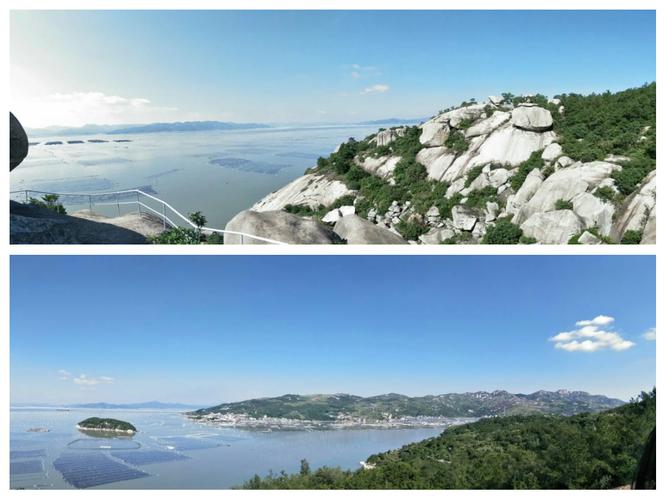
Doumu Island sits within Sandu'ao, a vast sheltered inlet often ranked among the finest natural harbours in the world—comparable in scale and shelter to Sydney Harbour or Rio de Janeiro's Guanabara Bay. Designated a provincial geopark, the island preserves some of China's most striking examples of coastal erosion, where pounding waves and salt-laden winds have sculpted stone into extraordinary shapes over millions of years. For Western travellers familiar with the chalk stacks of England's Jurassic Coast or the basalt columns of Northern Ireland's Giant's Causeway, Doumu offers a parallel experience, yet with a distinctly subtropical character.
**Curious Rock Formations and Hidden Grottoes**
The island's signature feature is a six-metre-long hollow spiral-shell rock—a natural stone chamber large enough to stand inside—remarkable even by global standards. Nearby, the Doumu Maze Cave winds deep into a tangle of giant boulders; during the 1930s it served as a clandestine base for the Mindong Red Army, linking the site to the broader story of China's revolutionary struggle, much as caves along the Spanish Sierra served Republican fighters. Elsewhere, whimsically named formations such as the "Rhinoceros Gazing at the Moon" and "Golden Tortoise Bearing Pearls" invite the imagination to roam.
**A Floating City on the Water**
Climbing to the island's higher viewpoints reveals Sandu'ao's most iconic panorama: a vast floating metropolis of timber fish-rafts and netted cages stretching for dozens of kilometres across the bay—an estimated 100,000-plus inhabitants living and working on the water. Often likened to a Chinese version of the Venetian lagoon, this remarkable aquaculture landscape has earned national recognition as a model agritourism site. Visitors can board the rafts to sample the legendary local yellow croaker, hailed as China's "national fish," or try their hand at sea angling.
**Cultural Layers and Coastal Heritage**
A scattering of carved stones bearing the auspicious characters "Fortune, Prosperity, Longevity, Joy, and Wealth" reflects traditional folk beliefs still cherished along the Fujian coast, while the weathered remains of the old Fu Maritime Customs post recall an era when this stretch of shoreline played a role in China's nineteenth-century foreign trade. The combination of geology, revolutionary history, and maritime culture gives the island a depth rare for a destination of its modest size.
**Planning Your Visit**
The island lies roughly 20–30 km from Ningde city; travellers should drive or take a taxi to Cheng'ao Tourist Wharf, where regular ferries and speedboats make the crossing in 10–20 minutes. Allow 2.5–4 hours on the island. Entry is around 40 RMB per person, with boat tickets charged separately. The site is open daily from 8:00 to 18:00 year-round, though crossings are highly weather-dependent—check ferry schedules in advance, especially during typhoon season from June to September.
**Practical Tips and Walking Notes**
A cliff-hugging boardwalk circles parts of the island, offering front-row seats for sunrise and sunset over the bay. The path is generally easy but includes unprotected sections right at the water's edge, so sturdy non-slip footwear is essential. Onboard dining options are limited; bring water and snacks or plan to eat fresh seafood on the rafts. Summer visitors should pack strong insect repellent and sun protection. For those seeking China's coast at its most authentic—far from the crowds of Xiamen or Gulangyu—Doumu Island is an inspired choice.
**A Geological Wonder Shaped by the Sea**
Doumu Island sits within Sandu'ao, a vast sheltered inlet often ranked among the finest natural harbours in the world—comparable in scale and shelter to Sydney Harbour or Rio de Janeiro's Guanabara Bay. Designated a provincial geopark, the island preserves some of China's most striking examples of coastal erosion, where pounding waves and salt-laden winds have sculpted stone into extraordinary shapes over millions of years. For Western travellers familiar with the chalk stacks of England's Jurassic Coast or the basalt columns of Northern Ireland's Giant's Causeway, Doumu offers a parallel experience, yet with a distinctly subtropical character.
**Curious Rock Formations and Hidden Grottoes**
The island's signature feature is a six-metre-long hollow spiral-shell rock—a natural stone chamber large enough to stand inside—remarkable even by global standards. Nearby, the Doumu Maze Cave winds deep into a tangle of giant boulders; during the 1930s it served as a clandestine base for the Mindong Red Army, linking the site to the broader story of China's revolutionary struggle, much as caves along the Spanish Sierra served Republican fighters. Elsewhere, whimsically named formations such as the "Rhinoceros Gazing at the Moon" and "Golden Tortoise Bearing Pearls" invite the imagination to roam.
**A Floating City on the Water**
Climbing to the island's higher viewpoints reveals Sandu'ao's most iconic panorama: a vast floating metropolis of timber fish-rafts and netted cages stretching for dozens of kilometres across the bay—an estimated 100,000-plus inhabitants living and working on the water. Often likened to a Chinese version of the Venetian lagoon, this remarkable aquaculture landscape has earned national recognition as a model agritourism site. Visitors can board the rafts to sample the legendary local yellow croaker, hailed as China's "national fish," or try their hand at sea angling.
**Cultural Layers and Coastal Heritage**
A scattering of carved stones bearing the auspicious characters "Fortune, Prosperity, Longevity, Joy, and Wealth" reflects traditional folk beliefs still cherished along the Fujian coast, while the weathered remains of the old Fu Maritime Customs post recall an era when this stretch of shoreline played a role in China's nineteenth-century foreign trade. The combination of geology, revolutionary history, and maritime culture gives the island a depth rare for a destination of its modest size.
**Planning Your Visit**
The island lies roughly 20–30 km from Ningde city; travellers should drive or take a taxi to Cheng'ao Tourist Wharf, where regular ferries and speedboats make the crossing in 10–20 minutes. Allow 2.5–4 hours on the island. Entry is around 40 RMB per person, with boat tickets charged separately. The site is open daily from 8:00 to 18:00 year-round, though crossings are highly weather-dependent—check ferry schedules in advance, especially during typhoon season from June to September.
**Practical Tips and Walking Notes**
A cliff-hugging boardwalk circles parts of the island, offering front-row seats for sunrise and sunset over the bay. The path is generally easy but includes unprotected sections right at the water's edge, so sturdy non-slip footwear is essential. Onboard dining options are limited; bring water and snacks or plan to eat fresh seafood on the rafts. Summer visitors should pack strong insect repellent and sun protection. For those seeking China's coast at its most authentic—far from the crowds of Xiamen or Gulangyu—Doumu Island is an inspired choice.