Shangrao Museum
⭐ 3.80
Binzhou Municipal Direct Administration, Binzhou, Shandong, China
 Shangrao sits at the historic crossroads of the ancient Wu and Chu cultural territories, a mountainous corridor in northeastern Jiangxi that for centuries channeled travelers, merchants, and armies between the Yangtze heartland and the southeastern coast. The museum's permanent exhibitions trace this long arc, beginning with Neolithic cultures and continuing through imperial dynasties to the revolutionary upheavals of the twentieth century. Visitors interested in deeper context can compare Shangrao's position to that of medieval trading towns along the Rhine, where geography dictated historical destiny. The collections include bronze wares, ceramics, and documents reflecting the region's reputation as a "land of literature and refinement."
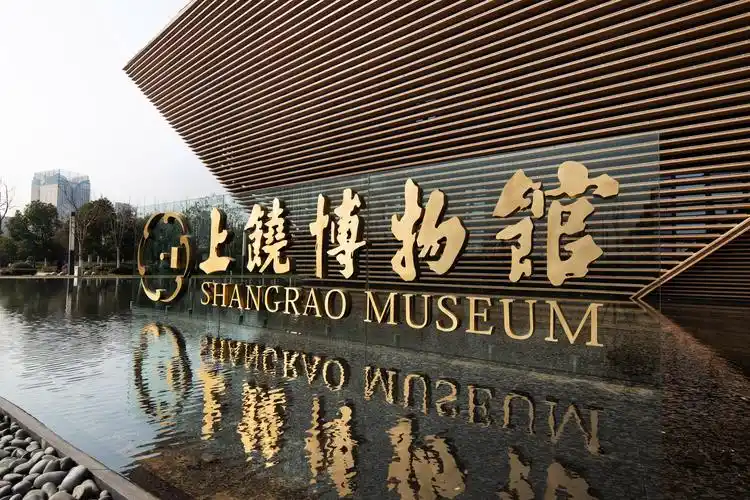
The museum building itself blends contemporary architectural lines with regional motifs, featuring generous natural light and a logical visitor flow that prevents the fatigue common in older Chinese institutions. Inside, the Folk Customs Hall recreates traditional Shangrao living quarters, workshops, and mining operations through life-size dioramas, period furnishings, and multimedia panels. Displays of tea processing, kiln-fired pottery, and tungsten mining—a mineral that played a strategic role in both world wars—give the galleries a tangible, hands-on quality that resonates with European visitors familiar with industrial heritage museums in Manchester or the Ruhr Valley.
The Revolutionary History Hall is the museum's emotional centerpiece. It commemorates the Shangrao Concentration Camp, established in 1941 by the Nationalist authorities as a model prison but later infamously associated with the persecution of共产党 and progressive intellectuals during the 1940s. Photographs, personal letters, prison artifacts, and survivor testimonies offer a sobering counterpoint to the celebratory tone of many Chinese museums. For Western travelers, the experience parallels visits to sites such as the Resistance Museum in Amsterdam or纪念馆 memorials elsewhere in Europe, prompting reflection on the global cost of ideological conflict.
Beyond its exhibitions, the museum functions as a civic and educational hub, hosting school groups, temporary art shows, and lecture programs that connect local heritage to broader Chinese history. The gift shop near the exit stocks locally produced ceramics, replica mine documents, and books in English on Jiangxi's revolutionary past—an often-overlooked chapter of the Sino-Japanese War and subsequent civil conflict that Western visitors rarely encounter outside major cities like Beijing or Chongqing.
Practical details make the visit straightforward. The museum is located at 19 Guangxin Avenue in Xinzhou District, easily reached by local bus from Shangrao Railway Station. Opening hours are Tuesday through Sunday from 9:00 to 17:00, with last entry at 16:30; the building closes Mondays for maintenance. Admission is free for Chinese ID holders, while foreign visitors must present a passport and reserve in advance via the museum's WeChat public account or by calling 0793-8077787. English-language guided tours can be arranged on request, and the on-site air-conditioning runs cool, so a light jacket is advisable, particularly during humid summer months.
For travelers planning a deeper exploration of Jiangxi, the museum pairs naturally with day trips to the nearby Sanqing Mountains, a UNESCO World Heritage site famed for its Taoist peaks and granite formations often compared to Yosemite or Zhangjiajie. Combining a morning at the museum with an afternoon among the mountain trails offers a satisfying balance of cultural and natural discovery within a single weekend.
Shangrao sits at the historic crossroads of the ancient Wu and Chu cultural territories, a mountainous corridor in northeastern Jiangxi that for centuries channeled travelers, merchants, and armies between the Yangtze heartland and the southeastern coast. The museum's permanent exhibitions trace this long arc, beginning with Neolithic cultures and continuing through imperial dynasties to the revolutionary upheavals of the twentieth century. Visitors interested in deeper context can compare Shangrao's position to that of medieval trading towns along the Rhine, where geography dictated historical destiny. The collections include bronze wares, ceramics, and documents reflecting the region's reputation as a "land of literature and refinement."
The museum building itself blends contemporary architectural lines with regional motifs, featuring generous natural light and a logical visitor flow that prevents the fatigue common in older Chinese institutions. Inside, the Folk Customs Hall recreates traditional Shangrao living quarters, workshops, and mining operations through life-size dioramas, period furnishings, and multimedia panels. Displays of tea processing, kiln-fired pottery, and tungsten mining—a mineral that played a strategic role in both world wars—give the galleries a tangible, hands-on quality that resonates with European visitors familiar with industrial heritage museums in Manchester or the Ruhr Valley.
The Revolutionary History Hall is the museum's emotional centerpiece. It commemorates the Shangrao Concentration Camp, established in 1941 by the Nationalist authorities as a model prison but later infamously associated with the persecution of共产党 and progressive intellectuals during the 1940s. Photographs, personal letters, prison artifacts, and survivor testimonies offer a sobering counterpoint to the celebratory tone of many Chinese museums. For Western travelers, the experience parallels visits to sites such as the Resistance Museum in Amsterdam or纪念馆 memorials elsewhere in Europe, prompting reflection on the global cost of ideological conflict.
Beyond its exhibitions, the museum functions as a civic and educational hub, hosting school groups, temporary art shows, and lecture programs that connect local heritage to broader Chinese history. The gift shop near the exit stocks locally produced ceramics, replica mine documents, and books in English on Jiangxi's revolutionary past—an often-overlooked chapter of the Sino-Japanese War and subsequent civil conflict that Western visitors rarely encounter outside major cities like Beijing or Chongqing.
Practical details make the visit straightforward. The museum is located at 19 Guangxin Avenue in Xinzhou District, easily reached by local bus from Shangrao Railway Station. Opening hours are Tuesday through Sunday from 9:00 to 17:00, with last entry at 16:30; the building closes Mondays for maintenance. Admission is free for Chinese ID holders, while foreign visitors must present a passport and reserve in advance via the museum's WeChat public account or by calling 0793-8077787. English-language guided tours can be arranged on request, and the on-site air-conditioning runs cool, so a light jacket is advisable, particularly during humid summer months.
For travelers planning a deeper exploration of Jiangxi, the museum pairs naturally with day trips to the nearby Sanqing Mountains, a UNESCO World Heritage site famed for its Taoist peaks and granite formations often compared to Yosemite or Zhangjiajie. Combining a morning at the museum with an afternoon among the mountain trails offers a satisfying balance of cultural and natural discovery within a single weekend.