Longshan Temple, Fuding
⭐ 3.80
Longshan Temple, Fuding City, Ningde, Fujian Province, China
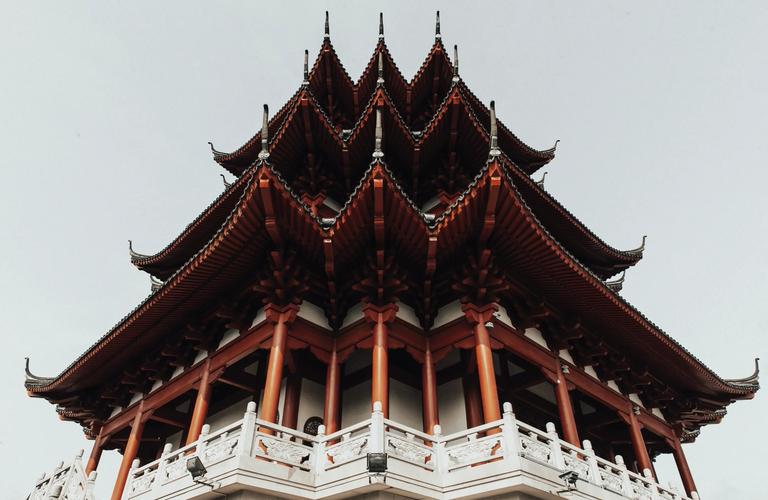 Xiangshan Temple was established during the Tang Dynasty (618–907 CE), roughly contemporaneous with the early spread of Buddhism across the Silk Road and the rise of major European monastic centers such as Monte Cassino in Italy. As one of the oldest Buddhist sanctuaries in eastern Fujian's Mindong region, it has endured for over a millennium through cycles of war, dynastic change, and rebuilding. The complex reached architectural maturity during the Ming and Qing dynasties, when successive renovations added the elegant halls and pavilions visitors see today. Its longevity places it among the same generation of sacred sites as Kyoto's earliest Zen temples, offering travelers a direct link to China's medieval spiritual heritage.
The temple follows classical Ming-dynasty design, with sweeping upturned eaves, lacquered wooden columns, and carved stone foundations stepping gracefully up the mountainside. Its undisputed showpiece is the cantilevered Bronze Hall—a fully cast bronze structure perched dramatically on a cliff edge, fusing Ming-era styling with modern foundry craftsmanship. Entire religious buildings cast in metal are exceptionally rare worldwide, evoking the cliff-perched pilgrimage chapels of Greece's Meteora monasteries. Sunlight strikes the bronze surfaces, casting a warm golden glow against the surrounding emerald forest and producing a visual spectacle few sacred sites can rival.
Beyond its architectural marvels, Xiangshan Temple remains a living center of Mindong Buddhist culture. Daily chanting, meditation retreats, and vegetarian feasts continue centuries-old traditions, while ancient stone steles and weathered banyan trees bear witness to generations of pilgrims and literati. For Western travelers familiar with Benedictine abbeys or the Tibetan monasteries of Dharamsala, the temple offers an accessible window into mainstream Han Chinese Buddhist practice—a tradition that has shaped Chinese philosophy, art, and daily life for nearly two millennia.
The temple sits within the Taimu Mountain AAAA-rated scenic area, accessible via the main entrance followed by a moderately steep stone stairway climb. Scenic area entrance fees run approximately 90 RMB, with opening hours typically 7:00 a.m. to 5:30 p.m. (confirm before travel). Comfortable hiking shoes, water, and a light layer are essential; elderly visitors and young children should pace themselves. Modest dress is required—shoulders and knees covered—and visitors should observe proper etiquette: quiet voices inside halls and no flash photography.
Arrive between 7:00 and 9:00 a.m. or in late afternoon (4:00–5:30 p.m.) when mist softens the peaks and tour groups thin out, allowing the resonant temple bells to truly transport you. A typical visit takes 1.5 to 2 hours and pairs perfectly with the main Taimu Mountain peak hike for a half-day or full-day excursion. Few destinations offer such a rare combination of Tang-era heritage, Ming-dynasty elegance, and a bronze cliff-hall like this—making Xiangshan Temple an unforgettable detour from Fujian's coastal tourist circuit.
Xiangshan Temple was established during the Tang Dynasty (618–907 CE), roughly contemporaneous with the early spread of Buddhism across the Silk Road and the rise of major European monastic centers such as Monte Cassino in Italy. As one of the oldest Buddhist sanctuaries in eastern Fujian's Mindong region, it has endured for over a millennium through cycles of war, dynastic change, and rebuilding. The complex reached architectural maturity during the Ming and Qing dynasties, when successive renovations added the elegant halls and pavilions visitors see today. Its longevity places it among the same generation of sacred sites as Kyoto's earliest Zen temples, offering travelers a direct link to China's medieval spiritual heritage.
The temple follows classical Ming-dynasty design, with sweeping upturned eaves, lacquered wooden columns, and carved stone foundations stepping gracefully up the mountainside. Its undisputed showpiece is the cantilevered Bronze Hall—a fully cast bronze structure perched dramatically on a cliff edge, fusing Ming-era styling with modern foundry craftsmanship. Entire religious buildings cast in metal are exceptionally rare worldwide, evoking the cliff-perched pilgrimage chapels of Greece's Meteora monasteries. Sunlight strikes the bronze surfaces, casting a warm golden glow against the surrounding emerald forest and producing a visual spectacle few sacred sites can rival.
Beyond its architectural marvels, Xiangshan Temple remains a living center of Mindong Buddhist culture. Daily chanting, meditation retreats, and vegetarian feasts continue centuries-old traditions, while ancient stone steles and weathered banyan trees bear witness to generations of pilgrims and literati. For Western travelers familiar with Benedictine abbeys or the Tibetan monasteries of Dharamsala, the temple offers an accessible window into mainstream Han Chinese Buddhist practice—a tradition that has shaped Chinese philosophy, art, and daily life for nearly two millennia.
The temple sits within the Taimu Mountain AAAA-rated scenic area, accessible via the main entrance followed by a moderately steep stone stairway climb. Scenic area entrance fees run approximately 90 RMB, with opening hours typically 7:00 a.m. to 5:30 p.m. (confirm before travel). Comfortable hiking shoes, water, and a light layer are essential; elderly visitors and young children should pace themselves. Modest dress is required—shoulders and knees covered—and visitors should observe proper etiquette: quiet voices inside halls and no flash photography.
Arrive between 7:00 and 9:00 a.m. or in late afternoon (4:00–5:30 p.m.) when mist softens the peaks and tour groups thin out, allowing the resonant temple bells to truly transport you. A typical visit takes 1.5 to 2 hours and pairs perfectly with the main Taimu Mountain peak hike for a half-day or full-day excursion. Few destinations offer such a rare combination of Tang-era heritage, Ming-dynasty elegance, and a bronze cliff-hall like this—making Xiangshan Temple an unforgettable detour from Fujian's coastal tourist circuit.