Jingzi Temple
⭐ 3.20
Jingzi, Huancui District, Weihai City, Shandong Province, China
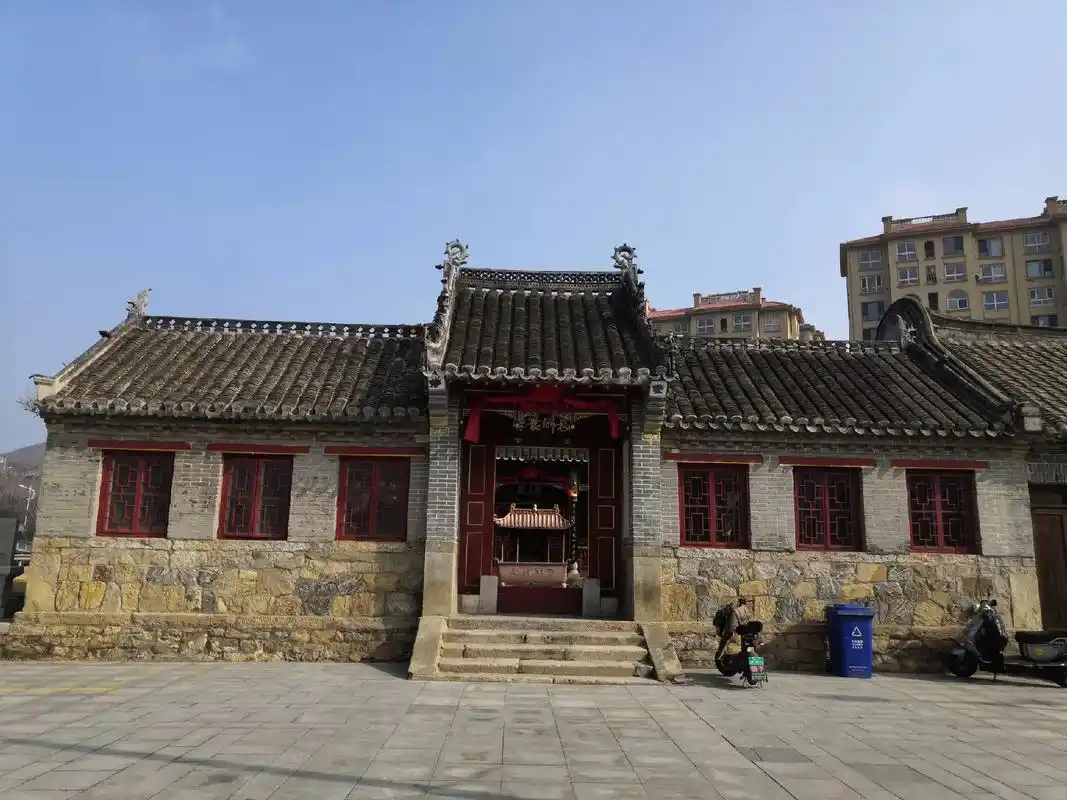 Standing on the Shandong coast since the late Ming Dynasty—roughly contemporaneous with the coronation of England's first Stuart king and the founding of Jamestown—Jingzi Dragon King Temple has weathered nearly four centuries of salt air and typhoons. Alongside the Dragon King Temple on Liugong Island, it counts as one of the two oldest sea-god sanctuaries surviving in the Weihai region. Designated a provincial cultural relic in 2022, the temple offers scholars and travelers alike a tangible link to the maritime folk beliefs that sustained Jiaodong fishing communities for generations. For Western visitors familiar with the legacy of Poseidon worship in the Mediterranean, this site provides a fascinating East Asian counterpart rooted in similar anxieties and hopes regarding the sea.
The temple follows a classical three-courtyard layout typical of northern Chinese religious architecture, with grey brick walls, dark tiled roofs, and vermilion accents creating a dignified silhouette. Inside, visitors find Ming-era stone columns and carved drum pedestals whose weathered craftsmanship recalls the rustic elegance of medieval European parish churches. Murals of the Heng and Ha guardian deities adorn the walls, while the main hall houses the Dragon King and his consort alongside charmingly local figures such as the "Fish-Chasing Lad" and the "Account-Keeper"—a reminder that this was a fisherfolk's shrine rather than an imperial temple. The interplay of red walls, grey tiles, and the blue sea beyond creates one of the most photogenic compositions along the Bohai coast.
For generations of Jiaodong fishermen, this temple served as their spiritual anchor—a place to pray for calm seas, plentiful catches, and safe returns, much as coastal chapels once dotted the Mediterranean and Atlantic shores of Europe. Each year during Guyu, the Grain Rain festival around late April, the temple hosts vibrant dragon and lion dances, ritual offerings, and communal prayers for abundance. These centuries-old customs embody the same human-nature dialogue visible in European maritime traditions like Portugal's Festas dos Santos Populares or Italy's Madonna dell'Angelo processions. Visitors witnessing or simply learning about these rituals gain insight into a worldview where the sea is both provider and adversary, demanding respect and reciprocity.
Reaching the temple is straightforward: bus route 20 from central Weihai drops visitors directly at Jingzi Village along Huanhai Road, while drivers can navigate to "Jingzi Dragon King Temple" and use the free parking lot at the entrance. The site is open free of charge, and a thorough visit takes only about thirty minutes—making it an easy addition to a half-day coastal itinerary. Travelers should ask the temple keeper's permission before photographing and refrain from touching the murals or stone columns. Modest dress and quiet behavior are appreciated, as the site remains an active place of worship.
The true reward lies in combining the temple with a scenic drive along Huanhai Road, linking it to Half Moon Bay and Cat Head Mountain for a complete coastal experience. Travelers arriving after four o'clock on summer afternoons enjoy softer light, gentler temperatures, and unforgettable sunset views over the East China Sea. Those planning around the Guyu festival gain the rare privilege of witnessing an unbroken Ming-era folk tradition in full swing. For anyone seeking an authentic, uncrowded encounter with China's maritime spiritual heritage—far from the tour-bus circuits—Jingzi Dragon King Temple offers something precious: silence, sea breeze, and four centuries of human devotion.
Standing on the Shandong coast since the late Ming Dynasty—roughly contemporaneous with the coronation of England's first Stuart king and the founding of Jamestown—Jingzi Dragon King Temple has weathered nearly four centuries of salt air and typhoons. Alongside the Dragon King Temple on Liugong Island, it counts as one of the two oldest sea-god sanctuaries surviving in the Weihai region. Designated a provincial cultural relic in 2022, the temple offers scholars and travelers alike a tangible link to the maritime folk beliefs that sustained Jiaodong fishing communities for generations. For Western visitors familiar with the legacy of Poseidon worship in the Mediterranean, this site provides a fascinating East Asian counterpart rooted in similar anxieties and hopes regarding the sea.
The temple follows a classical three-courtyard layout typical of northern Chinese religious architecture, with grey brick walls, dark tiled roofs, and vermilion accents creating a dignified silhouette. Inside, visitors find Ming-era stone columns and carved drum pedestals whose weathered craftsmanship recalls the rustic elegance of medieval European parish churches. Murals of the Heng and Ha guardian deities adorn the walls, while the main hall houses the Dragon King and his consort alongside charmingly local figures such as the "Fish-Chasing Lad" and the "Account-Keeper"—a reminder that this was a fisherfolk's shrine rather than an imperial temple. The interplay of red walls, grey tiles, and the blue sea beyond creates one of the most photogenic compositions along the Bohai coast.
For generations of Jiaodong fishermen, this temple served as their spiritual anchor—a place to pray for calm seas, plentiful catches, and safe returns, much as coastal chapels once dotted the Mediterranean and Atlantic shores of Europe. Each year during Guyu, the Grain Rain festival around late April, the temple hosts vibrant dragon and lion dances, ritual offerings, and communal prayers for abundance. These centuries-old customs embody the same human-nature dialogue visible in European maritime traditions like Portugal's Festas dos Santos Populares or Italy's Madonna dell'Angelo processions. Visitors witnessing or simply learning about these rituals gain insight into a worldview where the sea is both provider and adversary, demanding respect and reciprocity.
Reaching the temple is straightforward: bus route 20 from central Weihai drops visitors directly at Jingzi Village along Huanhai Road, while drivers can navigate to "Jingzi Dragon King Temple" and use the free parking lot at the entrance. The site is open free of charge, and a thorough visit takes only about thirty minutes—making it an easy addition to a half-day coastal itinerary. Travelers should ask the temple keeper's permission before photographing and refrain from touching the murals or stone columns. Modest dress and quiet behavior are appreciated, as the site remains an active place of worship.
The true reward lies in combining the temple with a scenic drive along Huanhai Road, linking it to Half Moon Bay and Cat Head Mountain for a complete coastal experience. Travelers arriving after four o'clock on summer afternoons enjoy softer light, gentler temperatures, and unforgettable sunset views over the East China Sea. Those planning around the Guyu festival gain the rare privilege of witnessing an unbroken Ming-era folk tradition in full swing. For anyone seeking an authentic, uncrowded encounter with China's maritime spiritual heritage—far from the tour-bus circuits—Jingzi Dragon King Temple offers something precious: silence, sea breeze, and four centuries of human devotion.