Weihaiwei Old Town
⭐ 2.50
Weihaiwei Old Town, Huancui District, Weihai City, Shandong Province, China
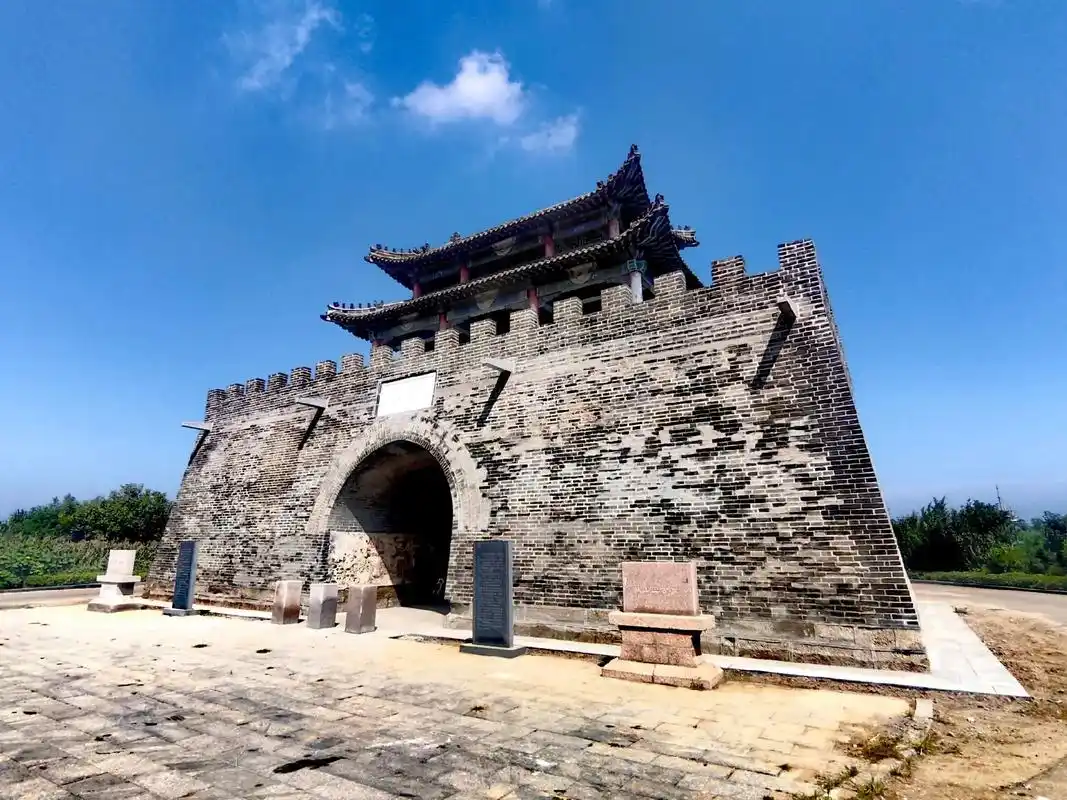 Founded in 1398 under the Hongwu Emperor, Weihaiwei was one of four great Ming coastal guard stations, alongside Tianjin, where garrisons monitored maritime threats from the Yellow Sea. Its strategic importance echoes fortified European naval ports like Portsmouth or Brest, designed to shield emerging empires from seaborne rivals. By 1403, stone walls encircled roughly three kilometres of shoreline, anchoring a defensive network stretching across northern China. The original fortifications were dismantled after 1930, when China recovered the territory from its British lease, leaving only street names like East City Road and West City Road as quiet reminders of the once-walled town.
The district's defining landmark is Huancui Tower, first raised in 1489 and rebuilt across successive dynasties. Perched above the old city, it serves much like Edinburgh Castle does for Scotland's capital—an elevated vantage point where visitors can survey both the historic quarter below and Weihai Bay beyond. Nearby, Qixia Street retains its late-Qing and Republican commercial bones, with grey-brick shop houses lining narrow lanes. Just steps away, the Shuxiang (Zodiac) Street adds a folkloric twist, decorated with animal sculptures representing the Chinese lunar calendar, and housing workshops where artisans continue traditional crafts like porcelain repair and paper-cutting.
Culturally, Old Weihaiwei carries weight far beyond its modest footprint. It witnessed the opening salvos of the First Sino-Japanese War in 1894 and later served as a British summer naval station during the era when European powers carved spheres of influence across coastal China. Across the water lies Liugong Island, where the war's main battles were fought, forming a complete historical narrative when visited together. The in-town Memory Museum displays photographs and domestic artefacts from the British lease period, filling gaps left by the missing walls and lending texture to a story often overlooked in Western curricula.
For visitors, Huancui Tower Park is free to enter and offers the logical starting point, ideally reached in the morning when sea breezes keep the hilltop cool. Qixia and Shuxiang Streets are walkable throughout the day, dotted with small vendors accepting mobile payments—translation apps will smooth encounters at family-run stalls. The area borders the Weigao Plaza shopping district, where hotels range from budget chains to comfortable mid-range options. Dining reflects Shandong's coastal bounty: Korean cuisine thrives here given Weihai's proximity to Korea, while local specialities include sea-s intestine rice and mackerel dumplings, both worth sampling.
A half-day suffices for the core streets and tower, but a full day rewards those drawn to deeper history. Pair the morning's panoramic views at Huancui Tower with an afternoon ferry to Liugong Island, whose Sino-Japanese War fortifications and naval museum contextualise the old town's past. Travellers interested in everyday culture rather than martial history can linger in Shuxiang Street's craft workshops or browse the Memory Museum at a relaxed pace. Few Chinese cities offer such a compact journey through dynastic defence, colonial twilight, and modern revival—and fewer still welcome English-speaking visitors with such approachable, walkable streets.
Founded in 1398 under the Hongwu Emperor, Weihaiwei was one of four great Ming coastal guard stations, alongside Tianjin, where garrisons monitored maritime threats from the Yellow Sea. Its strategic importance echoes fortified European naval ports like Portsmouth or Brest, designed to shield emerging empires from seaborne rivals. By 1403, stone walls encircled roughly three kilometres of shoreline, anchoring a defensive network stretching across northern China. The original fortifications were dismantled after 1930, when China recovered the territory from its British lease, leaving only street names like East City Road and West City Road as quiet reminders of the once-walled town.
The district's defining landmark is Huancui Tower, first raised in 1489 and rebuilt across successive dynasties. Perched above the old city, it serves much like Edinburgh Castle does for Scotland's capital—an elevated vantage point where visitors can survey both the historic quarter below and Weihai Bay beyond. Nearby, Qixia Street retains its late-Qing and Republican commercial bones, with grey-brick shop houses lining narrow lanes. Just steps away, the Shuxiang (Zodiac) Street adds a folkloric twist, decorated with animal sculptures representing the Chinese lunar calendar, and housing workshops where artisans continue traditional crafts like porcelain repair and paper-cutting.
Culturally, Old Weihaiwei carries weight far beyond its modest footprint. It witnessed the opening salvos of the First Sino-Japanese War in 1894 and later served as a British summer naval station during the era when European powers carved spheres of influence across coastal China. Across the water lies Liugong Island, where the war's main battles were fought, forming a complete historical narrative when visited together. The in-town Memory Museum displays photographs and domestic artefacts from the British lease period, filling gaps left by the missing walls and lending texture to a story often overlooked in Western curricula.
For visitors, Huancui Tower Park is free to enter and offers the logical starting point, ideally reached in the morning when sea breezes keep the hilltop cool. Qixia and Shuxiang Streets are walkable throughout the day, dotted with small vendors accepting mobile payments—translation apps will smooth encounters at family-run stalls. The area borders the Weigao Plaza shopping district, where hotels range from budget chains to comfortable mid-range options. Dining reflects Shandong's coastal bounty: Korean cuisine thrives here given Weihai's proximity to Korea, while local specialities include sea-s intestine rice and mackerel dumplings, both worth sampling.
A half-day suffices for the core streets and tower, but a full day rewards those drawn to deeper history. Pair the morning's panoramic views at Huancui Tower with an afternoon ferry to Liugong Island, whose Sino-Japanese War fortifications and naval museum contextualise the old town's past. Travellers interested in everyday culture rather than martial history can linger in Shuxiang Street's craft workshops or browse the Memory Museum at a relaxed pace. Few Chinese cities offer such a compact journey through dynastic defence, colonial twilight, and modern revival—and fewer still welcome English-speaking visitors with such approachable, walkable streets.