Tianjin Zhou Enlai and Deng Yingchao Memorial Hall
⭐ 4.50
No. 9, Shuishang Park West Road, Nankai District, Tianjin, China
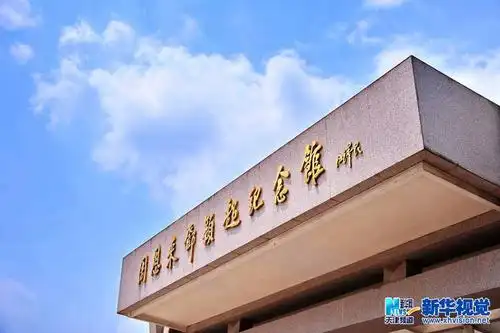 Built in 1998 with central government approval, the memorial occupies a dignified position beside Tianjin's Water Park in the historic Nankai District—a neighborhood long associated with China's reformist and revolutionary movements, including the May Fourth Movement of 1919, which helped shape Zhou Enlai's early political consciousness. Much like Washington D.C.'s Lincoln Memorial serves as a place of national reflection, this institution functions as both an爱国主义教育 (patriotic education) site and a museum of modern Chinese statecraft, tracing Zhou's journey from a Tianjin schoolboy to one of the Communist Party's most respected elder statesmen.
The main exhibition hall follows a clear two-floor narrative: the ground level houses the comprehensive "Premier Zhou Enlai" exhibition, while the third floor is dedicated to Deng Yingchao's remarkable career in women's liberation and social welfare—a story Western visitors may compare to early 20th-century suffragists like Emmeline Pankhurst or Eleanor Roosevelt. The architectural style blends solemn civic grandeur with restrained modernism, echoing the aesthetic of European postwar memorial museums.
The undisputed highlight is the 1:1 reconstruction of the West Flower Hall (西花厅), the couple's personal working quarters within the walled Zhongnanhai leadership compound in Beijing. Like entering a time capsule, visitors can walk through the modest sitting room, study, and bedroom exactly as they appeared during Zhou's tenure—complete with worn furniture, personal books, and even his reading glasses. This intimate preservation approach recalls the Franklin D. Roosevelt Presidential Library at Hyde Park, where everyday objects reveal the human side of monumental leadership.
Beyond the residence, the grounds showcase two remarkable artifacts: Zhou Enlai's personal airplane, used for diplomatic missions in the 1960s and 70s, and the "Xin Haimen" passenger ship, which connects to the maritime history of Tianjin—one of China's oldest treaty ports and a city often called the "Chicago of the East." Rotating special exhibitions, including a powerful 2025 display on the War of Resistance Against Japanese Aggression featuring 260 historical photographs, ensure repeat visits always offer new perspectives.
Practical planning is straightforward: the memorial sits just 230 meters from Exit B of Zhou Deng Memorial Hall subway station, making it easily accessible without a car. Admission is free, but visitors should reserve through the official WeChat account up to 48 hours in advance and present a passport at the gate. Hours run Tuesday through Sunday, 9:00 to 16:30, with last entry at 16:00; the facility closes every Monday. Plan for three to four hours to absorb the exhibits properly, then stroll next door into Water Park for a relaxing contrast. English-language exhibit descriptions are provided throughout, though downloading an offline translation app will enrich your understanding of subtler historical nuances.
Beyond the obvious political significance, what makes this memorial exceptional is its emotional restraint. Unlike many hero-worship venues worldwide, the curators deliberately emphasize Zhou and Deng's humility—their simple meals, modest clothing, and tireless work ethic—offering a portrait of leadership grounded in service rather than grandeur. For Western travelers accustomed to viewing China primarily through economic or geopolitical lenses, this museum provides a deeply humanizing lens on the country's recent past, and stands as one of the finest biographical museums in all of Asia.
Built in 1998 with central government approval, the memorial occupies a dignified position beside Tianjin's Water Park in the historic Nankai District—a neighborhood long associated with China's reformist and revolutionary movements, including the May Fourth Movement of 1919, which helped shape Zhou Enlai's early political consciousness. Much like Washington D.C.'s Lincoln Memorial serves as a place of national reflection, this institution functions as both an爱国主义教育 (patriotic education) site and a museum of modern Chinese statecraft, tracing Zhou's journey from a Tianjin schoolboy to one of the Communist Party's most respected elder statesmen.
The main exhibition hall follows a clear two-floor narrative: the ground level houses the comprehensive "Premier Zhou Enlai" exhibition, while the third floor is dedicated to Deng Yingchao's remarkable career in women's liberation and social welfare—a story Western visitors may compare to early 20th-century suffragists like Emmeline Pankhurst or Eleanor Roosevelt. The architectural style blends solemn civic grandeur with restrained modernism, echoing the aesthetic of European postwar memorial museums.
The undisputed highlight is the 1:1 reconstruction of the West Flower Hall (西花厅), the couple's personal working quarters within the walled Zhongnanhai leadership compound in Beijing. Like entering a time capsule, visitors can walk through the modest sitting room, study, and bedroom exactly as they appeared during Zhou's tenure—complete with worn furniture, personal books, and even his reading glasses. This intimate preservation approach recalls the Franklin D. Roosevelt Presidential Library at Hyde Park, where everyday objects reveal the human side of monumental leadership.
Beyond the residence, the grounds showcase two remarkable artifacts: Zhou Enlai's personal airplane, used for diplomatic missions in the 1960s and 70s, and the "Xin Haimen" passenger ship, which connects to the maritime history of Tianjin—one of China's oldest treaty ports and a city often called the "Chicago of the East." Rotating special exhibitions, including a powerful 2025 display on the War of Resistance Against Japanese Aggression featuring 260 historical photographs, ensure repeat visits always offer new perspectives.
Practical planning is straightforward: the memorial sits just 230 meters from Exit B of Zhou Deng Memorial Hall subway station, making it easily accessible without a car. Admission is free, but visitors should reserve through the official WeChat account up to 48 hours in advance and present a passport at the gate. Hours run Tuesday through Sunday, 9:00 to 16:30, with last entry at 16:00; the facility closes every Monday. Plan for three to four hours to absorb the exhibits properly, then stroll next door into Water Park for a relaxing contrast. English-language exhibit descriptions are provided throughout, though downloading an offline translation app will enrich your understanding of subtler historical nuances.
Beyond the obvious political significance, what makes this memorial exceptional is its emotional restraint. Unlike many hero-worship venues worldwide, the curators deliberately emphasize Zhou and Deng's humility—their simple meals, modest clothing, and tireless work ethic—offering a portrait of leadership grounded in service rather than grandeur. For Western travelers accustomed to viewing China primarily through economic or geopolitical lenses, this museum provides a deeply humanizing lens on the country's recent past, and stands as one of the finest biographical museums in all of Asia.