Binhai New Area

⭐ 3.80

Binhai New Area, Tianjin, China
Binhai New Area
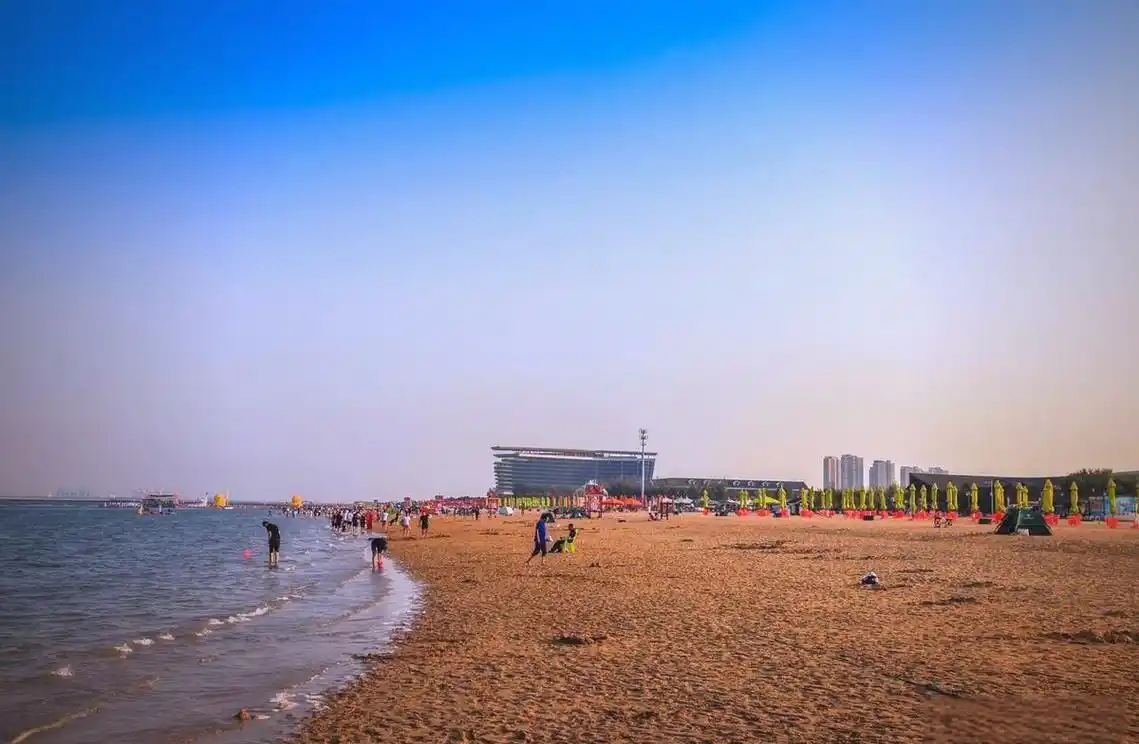
Binhai's roots run deeper than its 2006 designation as a national-level new district suggest. The area was forged from the merger of Tanggu, Hangu, and Dagang, but its strategic identity dates back to the 1860s, when the Dagu Forts repelled Anglo-French forces during the Second Opium War—a moment that, like the charge of the Light Brigade at Balaclava, signaled the twilight of Qing imperial power and the dawn of foreign engagement with China's coast. Today, those weathered ramparts stand beside gleaming free-trade towers, embodying the same collision of past and present that defines cities from Shanghai to Singapore. The National Maritime Museum is the district's cultural crown jewel. Designed by Wuhan's Central Academy of Fine Arts, its sweeping white facade evokes a breaking wave frozen mid-crest, recalling the organic modernism of Bilbao's Guggenheim. Inside, sixteen galleries across six thematic zones trace humanity's relationship with the sea, from prehistoric marine fossils to Ming-era Zheng He voyages and contemporary polar expeditions. Whale skeletons, coral specimens, and antique navigation instruments fill the halls, while generous air-conditioning makes it a refuge during humid summers. Admission is free, but advance booking through the official WeChat account is essential—closed Mondays. For those drawn to modern military history, the TEDA Aircraft Carrier Theme Park centers on the Kiev, a Soviet-era Kiev-class heavy aircraft-carrying cruiser retired from the Russian Navy in the 1990s. Comparable in scale to a visit aboard HMS Belfast in London or the USS Intrepid in New York, the experience lets visitors wander the bridge, flight deck, and crew quarters while exploring decommissioned submarines nearby. Russian-themed performances add theatrical flair. Arriving by public transport is wise—evening departure by car can mean chaotic parking near the 8 PM closing. Dongjiang Bay and its adjoining park form the largest artificial beach in northern China, a feat of coastal engineering reminiscent of Dubai's palm-fringed developments, though on a more modest scale. The fine golden sand runs remarkably clean, and summer evenings transform the Bohai Sea into a cinematic "tangerine sea" of amber light. Families can wade, shell-hunt, or rent jet skis, while photographers line up for postcard-perfect horizon shots. Sun here is fierce from June to August—pack reef-safe sunscreen, wide-brim hats, and a light windbreaker for post-sunset chills. Plan one to two days, using Light Rail Line 9 as your spine to hop between the museum, carrier park, and beach. Mornings are best for indoor attractions, afternoons for Fangte Happy World theme park or beach time, and late afternoons for sunset at Dongjiang. Most public venues charge no entry but require reservations—carry your passport and ensure your mobile payment app works internationally, as some seaside seafood restaurants price dishes by the piece rather than portion, so confirm before ordering.

Traveler reviews

Tianjin Binhai New Area Cultural Center includes "three museums, two centers, and one corridor," bringing together designs from numerous domestic and international architectural masters. This creates a unique clustered building ...
⭐ 5 · Parker Expand
People come here mainly for the viral Binhai Library, but honestly the Binhai Cultural Center itself is pretty special. The overall architecture has a strong industrial vibe with tons of creative flair. There's a place for...
⭐ 4 · Logan Expand