Tangshan Museum
⭐ 4.50
Lubei District, Tangshan City, Hebei Province, China
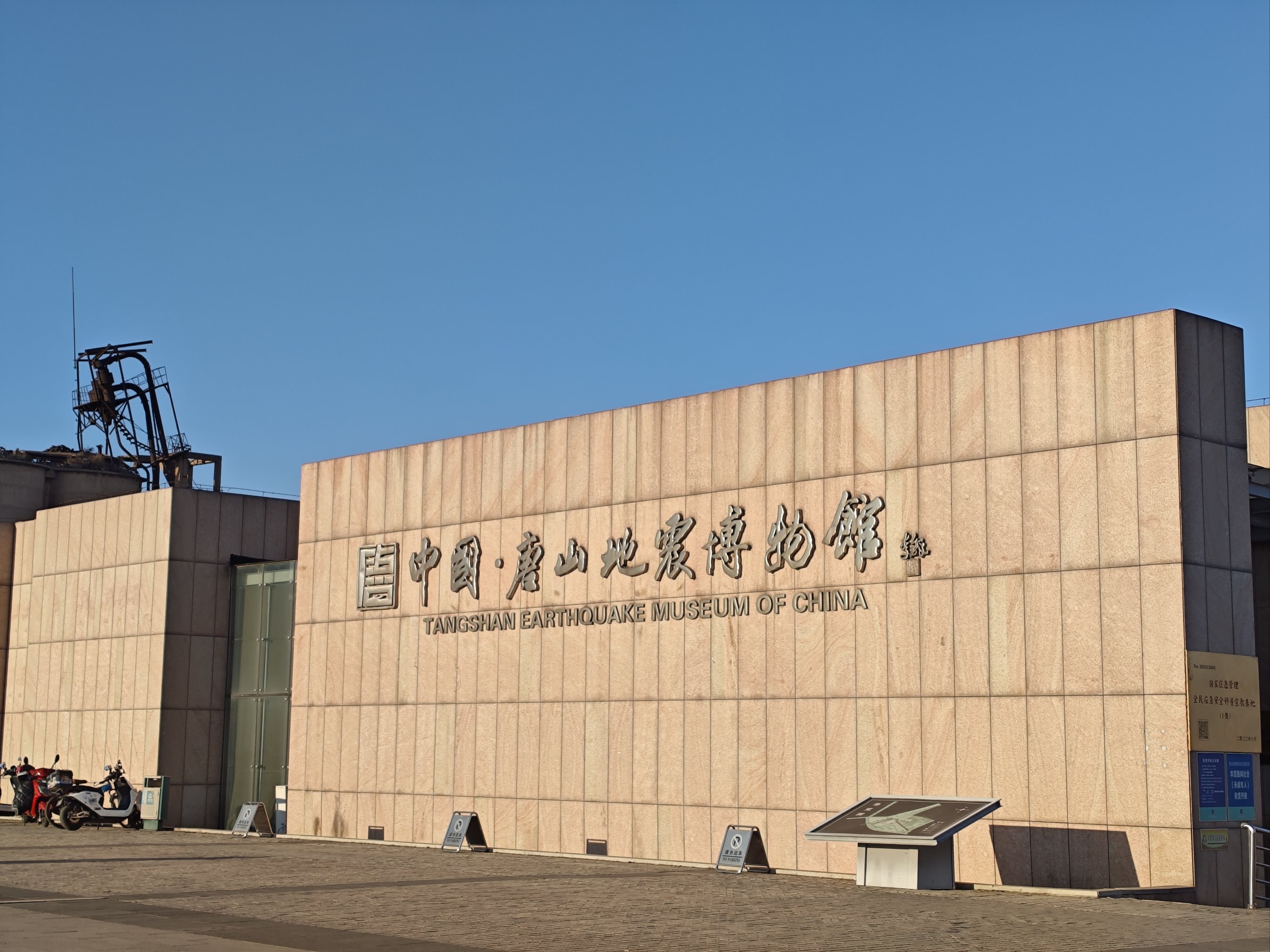 Tangshan Museum carries the dual identity of a cultural treasure house and a memorial to resilience. Founded in the twentieth century, it survived the catastrophic 1976 earthquake that flattened much of the city and became a living archive of Tangshan's recovery. In 2024 it was elevated to China's top tier of state museums, marking Tangshan's transformation from a gritty industrial powerhouse into a city that honors its heritage. For visitors familiar with European cities like Munich or Turin, where post-war reconstruction similarly nurtured vibrant cultural institutions, Tangshan Museum represents that same redemptive spirit of rebuilding through remembrance.
The museum building itself is an artifact. It is one of the few Soviet-style "pin" (品)-shaped structures that withstood the 1976 quake, its red-brick walls and symmetrical layout reflecting mid-twentieth-century architectural aesthetics. As an immovable cultural relic, it now houses sleek modern galleries within its historic shell, creating a compelling dialogue between past and present, much like Rome's MAXXI museum, where contemporary design inhabits historic urban fabric.
Inside, the collection impresses with its chronological sweep of 42,000 years. Star attractions include a 42,000-year-old woolly mammoth tusk, exquisite Liao-dynasty white porcelain, and crucially, a stock certificate from the Kaiping Mining Bureau dated 1881—one of the earliest physical share certificates in Chinese history. This document places Tangshan at the very cradle of modern Chinese industry, paralleling Europe's late-19th-century industrial revolution captured in such institutions as Manchester's Science and Industry Museum.
The permanent galleries unfold in three compelling acts: "Ancient Tangshan" traces the region from prehistoric settlements through the imperial dynasties; "The Three Flowers of Eastern Hebei" celebrates three UNESCO-recognized intangible heritages—shadow puppetry, Pingju opera, and Leting drum storytelling—with interactive stations; and "Collection Highlights" presents refined calligraphy, paintings, and ceramics. A striking 11.9-meter panoramic scroll depicting ceramic history is enhanced by holographic imaging technology.
Practical information is straightforward. Admission is free, with ID or passport required for entry. The museum opens Tuesday through Sunday from 9:00 to 17:00, closing on Mondays, with last entry at 16:30. Located at 22 Longze South Road, Lubei District, inside Phoenix Hill Park, it is easily reached by city buses 5, 15, 16, and others. A complete visit takes roughly 2.5 to 3 hours along the recommended route: ancient history, modern industry, then the folk arts galleries. Arriving shortly after opening on Saturday helps avoid group tour crowds, and families will find the puppetry workshop especially rewarding for hands-on engagement with living Chinese traditions.
Tangshan Museum carries the dual identity of a cultural treasure house and a memorial to resilience. Founded in the twentieth century, it survived the catastrophic 1976 earthquake that flattened much of the city and became a living archive of Tangshan's recovery. In 2024 it was elevated to China's top tier of state museums, marking Tangshan's transformation from a gritty industrial powerhouse into a city that honors its heritage. For visitors familiar with European cities like Munich or Turin, where post-war reconstruction similarly nurtured vibrant cultural institutions, Tangshan Museum represents that same redemptive spirit of rebuilding through remembrance.
The museum building itself is an artifact. It is one of the few Soviet-style "pin" (品)-shaped structures that withstood the 1976 quake, its red-brick walls and symmetrical layout reflecting mid-twentieth-century architectural aesthetics. As an immovable cultural relic, it now houses sleek modern galleries within its historic shell, creating a compelling dialogue between past and present, much like Rome's MAXXI museum, where contemporary design inhabits historic urban fabric.
Inside, the collection impresses with its chronological sweep of 42,000 years. Star attractions include a 42,000-year-old woolly mammoth tusk, exquisite Liao-dynasty white porcelain, and crucially, a stock certificate from the Kaiping Mining Bureau dated 1881—one of the earliest physical share certificates in Chinese history. This document places Tangshan at the very cradle of modern Chinese industry, paralleling Europe's late-19th-century industrial revolution captured in such institutions as Manchester's Science and Industry Museum.
The permanent galleries unfold in three compelling acts: "Ancient Tangshan" traces the region from prehistoric settlements through the imperial dynasties; "The Three Flowers of Eastern Hebei" celebrates three UNESCO-recognized intangible heritages—shadow puppetry, Pingju opera, and Leting drum storytelling—with interactive stations; and "Collection Highlights" presents refined calligraphy, paintings, and ceramics. A striking 11.9-meter panoramic scroll depicting ceramic history is enhanced by holographic imaging technology.
Practical information is straightforward. Admission is free, with ID or passport required for entry. The museum opens Tuesday through Sunday from 9:00 to 17:00, closing on Mondays, with last entry at 16:30. Located at 22 Longze South Road, Lubei District, inside Phoenix Hill Park, it is easily reached by city buses 5, 15, 16, and others. A complete visit takes roughly 2.5 to 3 hours along the recommended route: ancient history, modern industry, then the folk arts galleries. Arriving shortly after opening on Saturday helps avoid group tour crowds, and families will find the puppetry workshop especially rewarding for hands-on engagement with living Chinese traditions.