Laodao Street
⭐ 3.80
Laodao Street, Nangang District, Harbin City, Heilongjiang Province, China
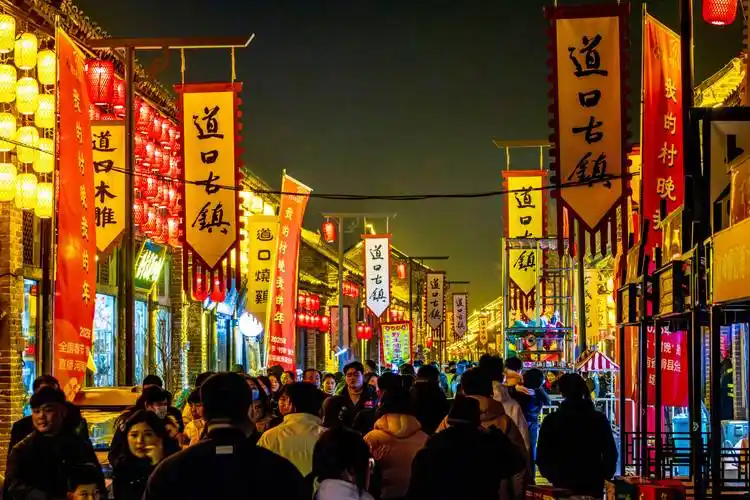 **Historical Context** The Daowai old quarter grew from "Fujiadian," the birthplace of Harbin's ethnic Chinese commerce in the late Qing dynasty. As Han merchants settled along the Songhua River in the late 19th and early 20th centuries, they blended northern Chinese vernacular traditions with foreign influences they absorbed from the newly opened treaty-port city. The district thus preserves Harbin's earliest chapters, predating the Russian and European influx that shaped the famous Central Avenue. Where Central Avenue feels like a transplanted slice of St. Petersburg, Daowai reveals the city's true roots—comparable to Amsterdam's Jordaan or Naples' Spanish Quarter, where commerce, faith, and everyday life left a distinct architectural fingerprint.
**Architectural Highlights** The district's signature "Western face, Chinese heart" design marries Baroque and Renaissance-style reliefs, pilasters, and pediments with Chinese auspicious motifs like bats and copper coins on the street-facing facades. Step through any doorway, however, and you enter a traditional siheyuan courtyard with gray brick walls, wooden carved eaves, and open-air wells—creating a classic "shop in front, home behind" layout. This fusion is rare globally; it might be compared to Macau's fusion of Portuguese and Cantonese styles, but on a much larger residential scale.
**Cultural Significance** While Central Avenue showcases Harbin's cosmopolitan European veneer, Daowai reveals the city's gritty, working-class soul. Narrow lanes still host intangible heritage crafts like sugar-blowing and clay figurine making, while teahouses and small theaters continue regional folk performing arts. Weathered stone paving, peeling walls, and laundry drying overhead combine decay with vivid life—a living urban ethnography that feels worlds away from Harbin's polished Ice Festival image.
**Practical Visit Information** The district centers on Jingyu Street, stretching from Nanxun Street in the south to Jingyang Street in the north. Entry is completely free and open around the clock. Take the metro or bus to "Jingyu Toudao Street" or "Jingyang Street" stops. Parking is extremely limited, so explore on foot. Be cautious on rainy days—stone paving becomes slippery, and sturdy non-slip footwear is essential.
**Visitor Tips** The ideal visiting window is early morning, between 7 and 9 a.m., when soft light illuminates facade details and crowds remain thin—perfect for photography. Evenings bring atmospheric red lanterns, but most legendary eateries close by late afternoon, so plan accordingly. Must-do experiences include closely examining the carved reliefs, ducking into alleys to find craftspeople, and sampling local specialties like pork rib steamed buns (paigu baozi) and hearty pork-and-sauerkraut stew (shazhu cai). Allow two to three hours, and consider extending your route to include the nearby Harbin Mosque and its surrounding halal food scene for a deeper cultural immersion.
**Historical Context** The Daowai old quarter grew from "Fujiadian," the birthplace of Harbin's ethnic Chinese commerce in the late Qing dynasty. As Han merchants settled along the Songhua River in the late 19th and early 20th centuries, they blended northern Chinese vernacular traditions with foreign influences they absorbed from the newly opened treaty-port city. The district thus preserves Harbin's earliest chapters, predating the Russian and European influx that shaped the famous Central Avenue. Where Central Avenue feels like a transplanted slice of St. Petersburg, Daowai reveals the city's true roots—comparable to Amsterdam's Jordaan or Naples' Spanish Quarter, where commerce, faith, and everyday life left a distinct architectural fingerprint.
**Architectural Highlights** The district's signature "Western face, Chinese heart" design marries Baroque and Renaissance-style reliefs, pilasters, and pediments with Chinese auspicious motifs like bats and copper coins on the street-facing facades. Step through any doorway, however, and you enter a traditional siheyuan courtyard with gray brick walls, wooden carved eaves, and open-air wells—creating a classic "shop in front, home behind" layout. This fusion is rare globally; it might be compared to Macau's fusion of Portuguese and Cantonese styles, but on a much larger residential scale.
**Cultural Significance** While Central Avenue showcases Harbin's cosmopolitan European veneer, Daowai reveals the city's gritty, working-class soul. Narrow lanes still host intangible heritage crafts like sugar-blowing and clay figurine making, while teahouses and small theaters continue regional folk performing arts. Weathered stone paving, peeling walls, and laundry drying overhead combine decay with vivid life—a living urban ethnography that feels worlds away from Harbin's polished Ice Festival image.
**Practical Visit Information** The district centers on Jingyu Street, stretching from Nanxun Street in the south to Jingyang Street in the north. Entry is completely free and open around the clock. Take the metro or bus to "Jingyu Toudao Street" or "Jingyang Street" stops. Parking is extremely limited, so explore on foot. Be cautious on rainy days—stone paving becomes slippery, and sturdy non-slip footwear is essential.
**Visitor Tips** The ideal visiting window is early morning, between 7 and 9 a.m., when soft light illuminates facade details and crowds remain thin—perfect for photography. Evenings bring atmospheric red lanterns, but most legendary eateries close by late afternoon, so plan accordingly. Must-do experiences include closely examining the carved reliefs, ducking into alleys to find craftspeople, and sampling local specialties like pork rib steamed buns (paigu baozi) and hearty pork-and-sauerkraut stew (shazhu cai). Allow two to three hours, and consider extending your route to include the nearby Harbin Mosque and its surrounding halal food scene for a deeper cultural immersion.