Heilongjiang Science and Technology Museum
⭐ 4.60
No. 1458, Taiyang Avenue, Songbei District, Harbin City, Heilongjiang Province, China
 PARAGRAPH 1 - Historical Context
China's northeast, often called the cradle of heavy industry, has long balanced raw natural power—vast forests, frozen rivers, and mineral wealth—with cutting-edge engineering. Harbin, a city of Russian Baroque architecture and winter festivals since the late 19th century, embodies this fusion of frontier grit and cosmopolitan flair. The Heilongjiang Science and Technology Museum, opened as a flagship provincial institution, channels that dual heritage, serving both as a popular science venue and a public showcase for the region's achievements in aerospace, energy, and education—comparable in ambition to London's Science Museum or Munich's Deutsches Museum.
PARAGRAPH 2 - Architecture and Setting
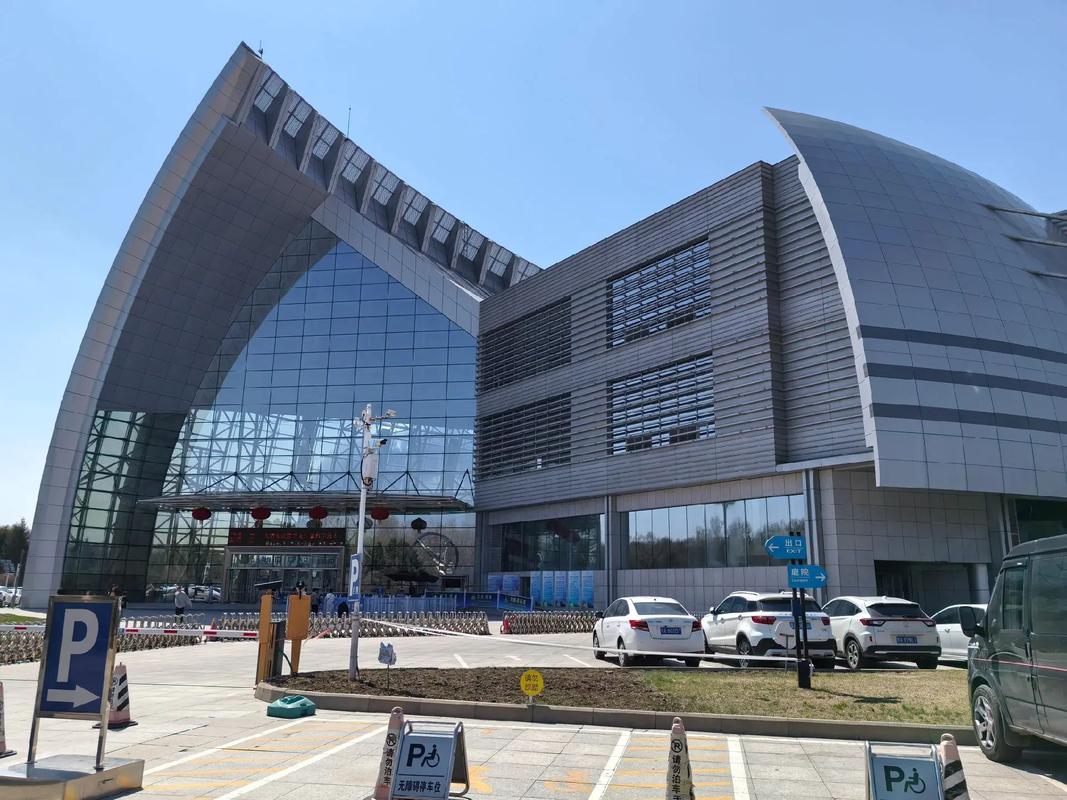
Housed in a sleek, contemporary structure within the wooded Sun Island风景区 on the Songhua River, the museum benefits from a setting that blends riparian parkland with bold modern design. Sun Island itself, reached by a short bus ride from central Harbin, recalls the grand landscaped grounds of European royal estates, while the building's clean lines and expansive glass facades invite natural light into the galleries. The combination of river, forest, and futuristic architecture provides a refreshing counterpoint to the often-frozen urban landscape of this northern capital.
PARAGRAPH 3 - The Four Signature Galleries
Refreshed in 2025, the museum's four themed halls offer deeply immersive experiences. "Charming Ice and Snow," unique in China, lets visitors try simulated skating and steer a virtual bobsleigh—a playful nod to Harbin's famous Ice and Snow Festival. "Soaring the Skies" displays models of the C919 airliner alongside flight simulators. "Dreaming of Deep Space" features a 1:1.8 scale replica of a space station core module with extravehicular activity experiences, while "Exploring the Ocean" plunges guests into the mysteries of the deep with interactive marine technology displays.
PARAGRAPH 4 - Permanent Exhibits and Children's Zone
Beyond the headline galleries, the permanent halls span subjects from electromagnetism and human anatomy to mechanics and robotics, each anchored by hands-on stations that reward experimentation rather than passive viewing. The third floor houses a dedicated Children's Science Paradise, where bright colors, safe installations, and tactile exhibits engage younger visitors—a welcome feature for families traveling with children accustomed to the interactive learning environments found at European science centers like Copenhagen's Experimentarium or Paris's Cité des Enfants.
PARAGRAPH 5 - Theaters and Visitor Practicalities
Two specialty cinemas anchor the immersive side of the visit. The dome theater, with its enveloping screen and surround sound, evokes the planetariums of Greenwich or Vienna, while the 4D cinema uses motion seats combined with wind, water spray, and vibration effects to amplify the sensation. Tickets for both theaters cost roughly 25 yuan for adults and 13 yuan for concessions, separate from the free permanent galleries. Photography is prohibited inside the theaters, and those with heart conditions, high blood pressure, or children under six should avoid the 4D presentations.
PARAGRAPH 6 - Plan Your Visit
The museum sits at 1458 Taiyang Avenue, Songbei District, within Sun Island Park. It operates Tuesday through Sunday from 09:00 to 16:00, with last entry at 15:30; Monday is closing day. Free admission to the permanent exhibits requires advance real-name reservation via the official website or the WeChat account "黑龙江省科学技术馆"—ideally one to three days ahead. A basement-level food court handles simple meals, and visitors should set aside three to four hours, ideally pairing the museum with a half-day stroll through Sun Island's gardens and, in winter, its famous Snow Sculpture Art Expo. Comfortable shoes are recommended given the standing and walking involved across the interactive zones.
PARAGRAPH 1 - Historical Context
China's northeast, often called the cradle of heavy industry, has long balanced raw natural power—vast forests, frozen rivers, and mineral wealth—with cutting-edge engineering. Harbin, a city of Russian Baroque architecture and winter festivals since the late 19th century, embodies this fusion of frontier grit and cosmopolitan flair. The Heilongjiang Science and Technology Museum, opened as a flagship provincial institution, channels that dual heritage, serving both as a popular science venue and a public showcase for the region's achievements in aerospace, energy, and education—comparable in ambition to London's Science Museum or Munich's Deutsches Museum.
PARAGRAPH 2 - Architecture and Setting
Housed in a sleek, contemporary structure within the wooded Sun Island风景区 on the Songhua River, the museum benefits from a setting that blends riparian parkland with bold modern design. Sun Island itself, reached by a short bus ride from central Harbin, recalls the grand landscaped grounds of European royal estates, while the building's clean lines and expansive glass facades invite natural light into the galleries. The combination of river, forest, and futuristic architecture provides a refreshing counterpoint to the often-frozen urban landscape of this northern capital.
PARAGRAPH 3 - The Four Signature Galleries
Refreshed in 2025, the museum's four themed halls offer deeply immersive experiences. "Charming Ice and Snow," unique in China, lets visitors try simulated skating and steer a virtual bobsleigh—a playful nod to Harbin's famous Ice and Snow Festival. "Soaring the Skies" displays models of the C919 airliner alongside flight simulators. "Dreaming of Deep Space" features a 1:1.8 scale replica of a space station core module with extravehicular activity experiences, while "Exploring the Ocean" plunges guests into the mysteries of the deep with interactive marine technology displays.
PARAGRAPH 4 - Permanent Exhibits and Children's Zone
Beyond the headline galleries, the permanent halls span subjects from electromagnetism and human anatomy to mechanics and robotics, each anchored by hands-on stations that reward experimentation rather than passive viewing. The third floor houses a dedicated Children's Science Paradise, where bright colors, safe installations, and tactile exhibits engage younger visitors—a welcome feature for families traveling with children accustomed to the interactive learning environments found at European science centers like Copenhagen's Experimentarium or Paris's Cité des Enfants.
PARAGRAPH 5 - Theaters and Visitor Practicalities
Two specialty cinemas anchor the immersive side of the visit. The dome theater, with its enveloping screen and surround sound, evokes the planetariums of Greenwich or Vienna, while the 4D cinema uses motion seats combined with wind, water spray, and vibration effects to amplify the sensation. Tickets for both theaters cost roughly 25 yuan for adults and 13 yuan for concessions, separate from the free permanent galleries. Photography is prohibited inside the theaters, and those with heart conditions, high blood pressure, or children under six should avoid the 4D presentations.
PARAGRAPH 6 - Plan Your Visit
The museum sits at 1458 Taiyang Avenue, Songbei District, within Sun Island Park. It operates Tuesday through Sunday from 09:00 to 16:00, with last entry at 15:30; Monday is closing day. Free admission to the permanent exhibits requires advance real-name reservation via the official website or the WeChat account "黑龙江省科学技术馆"—ideally one to three days ahead. A basement-level food court handles simple meals, and visitors should set aside three to four hours, ideally pairing the museum with a half-day stroll through Sun Island's gardens and, in winter, its famous Snow Sculpture Art Expo. Comfortable shoes are recommended given the standing and walking involved across the interactive zones.