The Bund Historic Architectural Complex

⭐ 4.60

Along the Bund, Huangpu River waterfront, Huangpu District, Shanghai, China
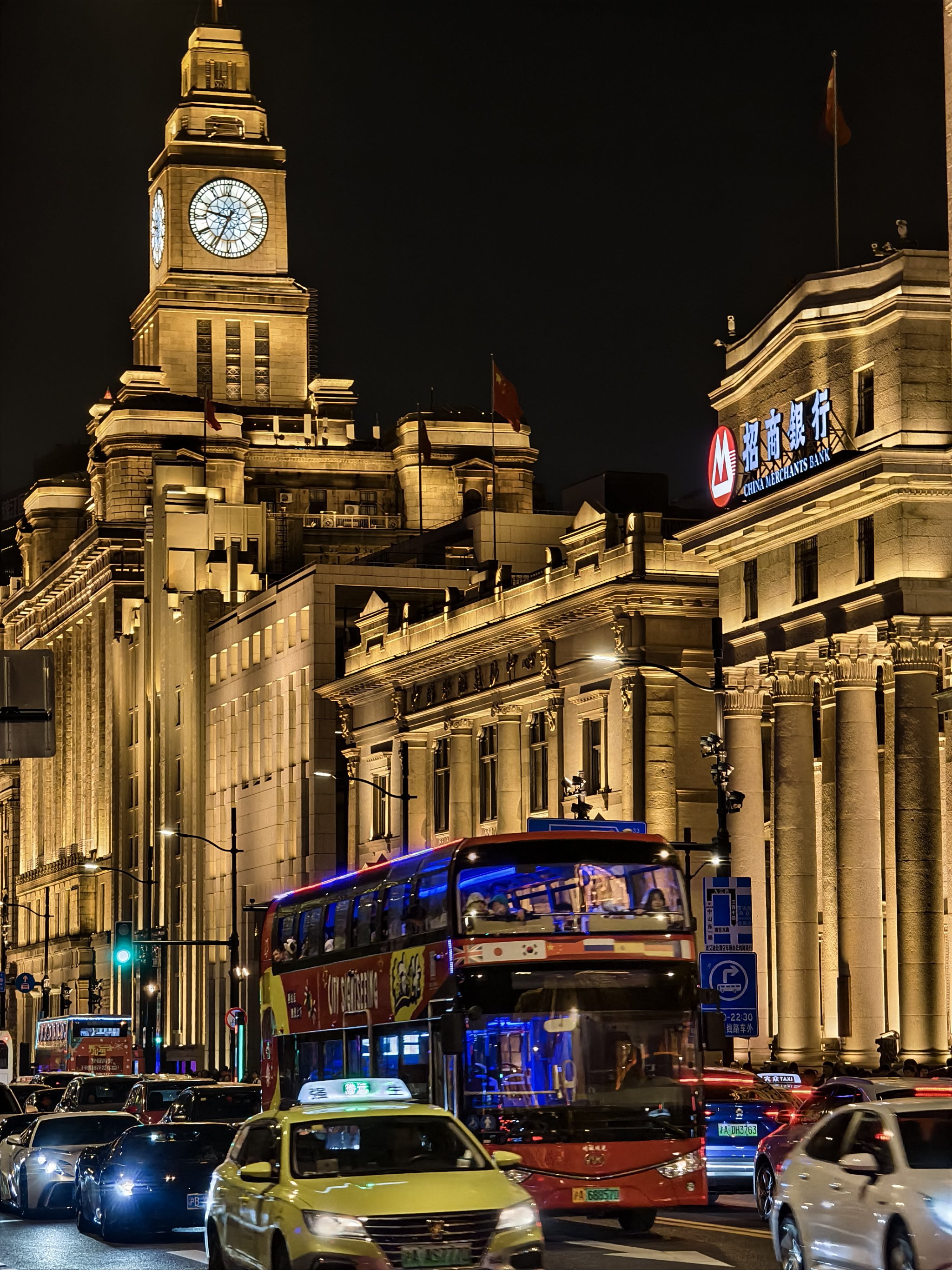
The Bund Historic Architectural Complex
The Bund's architectural tapestry traces Shanghai's emergence as one of the world's great cosmopolitan ports after the 1843 Treaty of Nanking opened the city to foreign trade. Between the 1900s and 1930s, European and American banks, trading houses, and consulates transformed a muddy riverbank into what resembled the Champs-Élysées or the Thames Embankment. Each building silently witnessed pivotal events: the prosperity of the "Paris of the East," the turmoil of the 1930s, the Japanese occupation, and the dramatic revival of post-1990s Shanghai, making this strip a tangible timeline of modern Chinese history. Architecturally, the ensemble reads like a three-dimensional encyclopedia of Western styles from the late 19th and early 20th centuries. Neoclassical columns stand beside Gothic Revival spires, Baroque flourishes neighbor Art Deco geometric patterns, and eclectic compositions blend Beaux-Arts grandeur with colonial practicality. Despite stylistic diversity, the buildings maintain remarkable visual harmony through their consistent warm-toned palette and uniform cornice heights, earning comparisons to London's Mayfair or Budapest's grand boulevards. The so-called "First Frontage" along Zhongshan East No. 1 Road features celebrated landmarks such as the former HSBC Building (now Shanghai Pudong Development Bank), the Customs House with its distinctive clock tower modeled after Big Ben's sister, the Art Deco Cathay Hotel (formerly Sassoon House), and the former British Club. Beyond this famous row, the "Bund Source" area and "Second Frontage" reveal lesser-known but equally well-preserved structures awaiting curious explorers. The promenade itself is freely accessible 24 hours a day, with Nanjing East Road Station (Metro Lines 2 and 10) providing direct access. The prime viewing window runs from approximately 18:30 to 21:30, when sunset transitions into the nightly illumination ceremony that bathes the buildings in golden light while Pudong's towers sparkle across the water. Early mornings offer quieter conditions favored by photographers, while the riverside stone steps can become slippery, so sturdy footwear is recommended along with summer sun protection and mosquito repellent. For extended exploration, visitors can pair the Bund with the riverside green spaces of North Bund, browse rotating exhibitions at the Roosevelt House Art Museum, or take the ¥2 ferry to Pudong for a reverse perspective. Most building interiors remain offices or hotels, though the Fairmont Peace Hotel lobby, the Bund Finance Museum (housed in the former British Consulate), and several restored banking halls welcome public access. No Shanghai itinerary is complete without an evening stroll here, where East truly meets West in stone, light, and water.

Traveler reviews

The Bund is that famous scenic spot along the Huangpu River that everyone talks about. Walking along the riverside, you get these amazing views of the modern Lujiazui skyline across the way, including the Oriental Pearl Tower and the Jin Mao Tower. On the Bund itself there are tons of classic European-style buildings, like the ones numbered 1 to 33 — a lot of them used to be old bank headquarters. In the ear...
⭐ 5 · Finley Dane Expand
Across the river, the Lujiazui skyline just pierces the sky — the Oriental Pearl Tower and the Shanghai Tower really show off modern Shanghai's energy. As the sun sets and the lights start coming on, the river breeze carries the sound of the cruise boats' horns, and the warm glow from the century-old buildings collides with the neon from the skyscrapers acr...
⭐ 5 · Harper Sage Expand