Racecourse Scenic Area
⭐ 4.20
Racecourse Scenic Area, Fuyun County, Altay Prefecture, Xinjiang Uyghur Autonomous Region, China
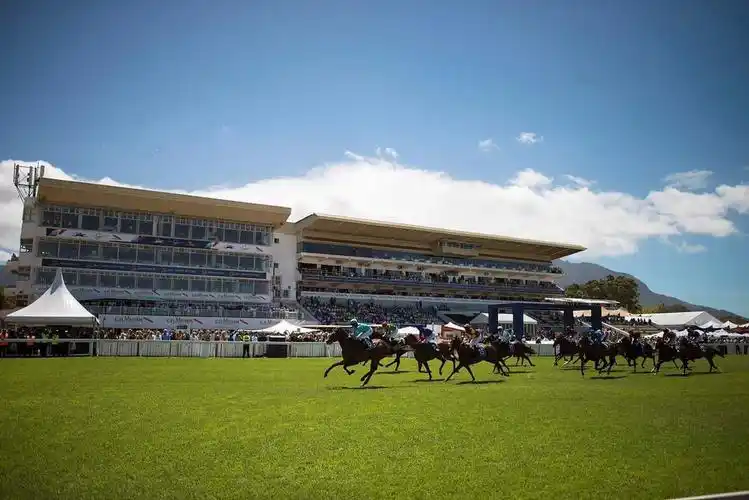 The Altai horse culture stretches back over a thousand years, with the Kazakh people—often compared to the Mongols of the Eurasian steppe—preserving a nomadic equestrian legacy that mirrors the great horse cultures of the Hungarian puszta and Mongolia. Battles over these highland pastures once drew Turkic tribes, Uyghur khans, and Silk Road caravans alike, and the same vast grasslands that served as seasonal gathering points for ancient confederations now host ritualized "bata" blessing ceremonies before each race. This continuity transforms a simple racecourse into a living chapter of Inner Asian history, where the thundering hooves echo a tradition unbroken since the era of Genghis Khan's mobile cavalry.
The venues themselves vary considerably in scale and character. Fuyun's Folk Culture Activity Center Racecourse sprawls across more than a hundred hectares with international-standard tracks measuring 1.6 km and 1.8 km on inner and outer circuits, plus full equipment including protective vests and riding boots. Habahe's Snowfield Gallop Racecourse, opened in August 2025 across a thousand-plus acres, is the most modern, featuring sleek stables, grandstands, and a cinematic pedigree—its star horses appeared in the hit television series "My Altai," much as Scottish Highland gatherings borrow prestige from period films.
Beyond the flagship grounds, the surrounding area offers specialized bases such as the Tainong Group No. 1 Ranch and Jinblood Stables, which focus on "ice-and-snow equestrianism"—a niche that recalls Scandinavian dog-sled operations or Argentinean winter polo. Visitors can try sleigh rides, snow trekking, and lessons on tracks stretching 1,200 to 1,500 meters, with horses suited to all skill levels. Regional festivals like Ulungur Lake's winter ice-harvest meet and the summer grassland festivals in Burqin and Fuhai knit the area into a year-round equestrian tourism web, ensuring that no single season limits a visitor's experience.
The ideal visiting window runs from May through September during the grassland racing high season, with a second peak from December through February for the ice-and-snow events. Travelers should keep an eye out for signature occasions like Fuyun's May Day Golden Steed Race Meeting—entry is free or inexpensive, riding sessions cost roughly 100 to 300 yuan, and professional courses require advance booking. Fuyun's racecourse sits about an hour's drive from Koktokay, making it easy to combine with a visit to the famed mineral sites that recall Finland's historic mining heritage, while Habahe's venue lies conveniently close to the county seat with straightforward transport links.
Practical preparation is essential for a rewarding visit. Long pants and non-slip footwear are mandatory for riding, and winter snow excursions demand strict adherence to the lead instructor's commands—much as one would follow a guide on an Alpine snowshoe tour. The high-altitude climate is notoriously changeable, so pack layered clothing, sunscreen, and strong wind protection. English fluency among local herders is limited, so booking through a reputable travel agency with translator services is advisable. Above all, respect Kazakh customs by asking permission before photographing individuals or ceremonies, ensuring that this rare encounter with one of Asia's most enduring horse cultures remains both authentic and ethically rewarding.
The Altai horse culture stretches back over a thousand years, with the Kazakh people—often compared to the Mongols of the Eurasian steppe—preserving a nomadic equestrian legacy that mirrors the great horse cultures of the Hungarian puszta and Mongolia. Battles over these highland pastures once drew Turkic tribes, Uyghur khans, and Silk Road caravans alike, and the same vast grasslands that served as seasonal gathering points for ancient confederations now host ritualized "bata" blessing ceremonies before each race. This continuity transforms a simple racecourse into a living chapter of Inner Asian history, where the thundering hooves echo a tradition unbroken since the era of Genghis Khan's mobile cavalry.
The venues themselves vary considerably in scale and character. Fuyun's Folk Culture Activity Center Racecourse sprawls across more than a hundred hectares with international-standard tracks measuring 1.6 km and 1.8 km on inner and outer circuits, plus full equipment including protective vests and riding boots. Habahe's Snowfield Gallop Racecourse, opened in August 2025 across a thousand-plus acres, is the most modern, featuring sleek stables, grandstands, and a cinematic pedigree—its star horses appeared in the hit television series "My Altai," much as Scottish Highland gatherings borrow prestige from period films.
Beyond the flagship grounds, the surrounding area offers specialized bases such as the Tainong Group No. 1 Ranch and Jinblood Stables, which focus on "ice-and-snow equestrianism"—a niche that recalls Scandinavian dog-sled operations or Argentinean winter polo. Visitors can try sleigh rides, snow trekking, and lessons on tracks stretching 1,200 to 1,500 meters, with horses suited to all skill levels. Regional festivals like Ulungur Lake's winter ice-harvest meet and the summer grassland festivals in Burqin and Fuhai knit the area into a year-round equestrian tourism web, ensuring that no single season limits a visitor's experience.
The ideal visiting window runs from May through September during the grassland racing high season, with a second peak from December through February for the ice-and-snow events. Travelers should keep an eye out for signature occasions like Fuyun's May Day Golden Steed Race Meeting—entry is free or inexpensive, riding sessions cost roughly 100 to 300 yuan, and professional courses require advance booking. Fuyun's racecourse sits about an hour's drive from Koktokay, making it easy to combine with a visit to the famed mineral sites that recall Finland's historic mining heritage, while Habahe's venue lies conveniently close to the county seat with straightforward transport links.
Practical preparation is essential for a rewarding visit. Long pants and non-slip footwear are mandatory for riding, and winter snow excursions demand strict adherence to the lead instructor's commands—much as one would follow a guide on an Alpine snowshoe tour. The high-altitude climate is notoriously changeable, so pack layered clothing, sunscreen, and strong wind protection. English fluency among local herders is limited, so booking through a reputable travel agency with translator services is advisable. Above all, respect Kazakh customs by asking permission before photographing individuals or ceremonies, ensuring that this rare encounter with one of Asia's most enduring horse cultures remains both authentic and ethically rewarding.