Yellow River Scenic Line
⭐ 4.20
Yellow River Scenic Line, Hui District, Hohhot, Inner Mongolia Autonomous Region, China
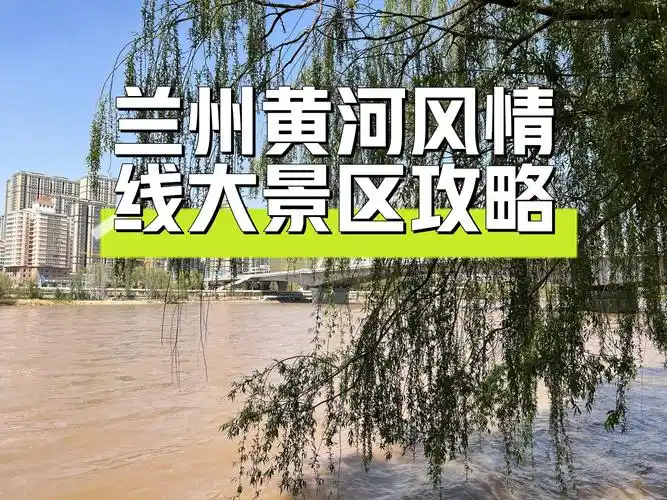 The Shenquan Ecological Tourism Area anchors the southern reach of the corridor, set along the Yellow River's banks where sand and water meet in a landscape reminiscent of desert-river scenery in southern Africa, but on a far more intimate scale. Visitors can ride a traditional sheepskin raft—much like the coracles once used on Wales's River Teifi—employed here for over a thousand years to ferry people across northern China's rivers. The site blends desert amusements, regional cuisine, and family activities, with summer carnivals adding a festive note. It serves as a relaxed opening stop, offering an easy introduction to the river that has shaped Chinese civilisation for over four millennia.
Midway along the corridor lies Yellow River Maiye Valley, a working agricultural landscape pitched at families and school groups eager to experience hands-on the farming heritage that sustained ancient China—much as the villa-farm system shaped Roman Campania. In spring, blossom paints the fields; in summer, children wade in to catch crabs; in autumn, orchards offer pick-your-own fruit. Each season brings a different rhythm, allowing visitors to participate in cultivation rituals that have endured along the Yellow River since Neolithic times. It is an ideal pause for travellers who want to slow down between the more dramatic river spectacles, and for younger visitors, the perfect outdoor classroom.
The undisputed crown of the corridor is the Laoniuwan Yellow River Grand Canyon, a nationally rated 5A scenic area. Here the river carves through the loess plateau in a horseshoe curve known as Taiji Bay—echoing the Moselle's meanders or America's celebrated Horseshoe Bend but on a grander scale. Most remarkably, this is the only place where the Yellow River meets the Ming Great Wall, the fourteenth-to-seventeenth-century fortification built to shield the agricultural heartland—comparable in spirit to Hadrian's Wall marking the edge of Roman Britannia. Clifftop boardwalks cling to the canyon walls, while boat cruises reveal twelve named scenic vistas.
Practical arrangements reward a leisurely pace. The corridor runs roughly ninety to a hundred fifty minutes' drive from Hohhot city, with attractions spread across substantial territory—self-drive or a hired car is essential. Allow at least a day and a half, ideally two full days. The optimal season runs April through October; the high-water summer months are best for boat tours, riverside camping, and stargazing under Inner Mongolia's clearest skies. Overnight in one of the cliffside guesthouses near Laoniuwan to catch dawn and dusk light over the gorge. Local tables favour the river's own bounty: Yellow River carp, prepared with regional spices, rivals freshwater dishes of the Danube or Burgundy.
Several worthwhile stops supplement the three main hubs. Driving the G209 highway becomes a playful diversion at the Musical Road section, where ruts in the asphalt play a melody as tyres pass over—a quirky echo of singing roads in Japan and South Korea. Nearby, Haohan Mountain Great Wall Park preserves a Ming-era garrison with commanding views, while the Laoniuopo Red Education Base commemorates wartime resistance of the kind preserved at countless European resistance museums. Together these quieter stops thread additional layers of cultural context into an already rewarding drive, ensuring that every kilometre reveals something memorable along this storied stretch of northern China.
The Shenquan Ecological Tourism Area anchors the southern reach of the corridor, set along the Yellow River's banks where sand and water meet in a landscape reminiscent of desert-river scenery in southern Africa, but on a far more intimate scale. Visitors can ride a traditional sheepskin raft—much like the coracles once used on Wales's River Teifi—employed here for over a thousand years to ferry people across northern China's rivers. The site blends desert amusements, regional cuisine, and family activities, with summer carnivals adding a festive note. It serves as a relaxed opening stop, offering an easy introduction to the river that has shaped Chinese civilisation for over four millennia.
Midway along the corridor lies Yellow River Maiye Valley, a working agricultural landscape pitched at families and school groups eager to experience hands-on the farming heritage that sustained ancient China—much as the villa-farm system shaped Roman Campania. In spring, blossom paints the fields; in summer, children wade in to catch crabs; in autumn, orchards offer pick-your-own fruit. Each season brings a different rhythm, allowing visitors to participate in cultivation rituals that have endured along the Yellow River since Neolithic times. It is an ideal pause for travellers who want to slow down between the more dramatic river spectacles, and for younger visitors, the perfect outdoor classroom.
The undisputed crown of the corridor is the Laoniuwan Yellow River Grand Canyon, a nationally rated 5A scenic area. Here the river carves through the loess plateau in a horseshoe curve known as Taiji Bay—echoing the Moselle's meanders or America's celebrated Horseshoe Bend but on a grander scale. Most remarkably, this is the only place where the Yellow River meets the Ming Great Wall, the fourteenth-to-seventeenth-century fortification built to shield the agricultural heartland—comparable in spirit to Hadrian's Wall marking the edge of Roman Britannia. Clifftop boardwalks cling to the canyon walls, while boat cruises reveal twelve named scenic vistas.
Practical arrangements reward a leisurely pace. The corridor runs roughly ninety to a hundred fifty minutes' drive from Hohhot city, with attractions spread across substantial territory—self-drive or a hired car is essential. Allow at least a day and a half, ideally two full days. The optimal season runs April through October; the high-water summer months are best for boat tours, riverside camping, and stargazing under Inner Mongolia's clearest skies. Overnight in one of the cliffside guesthouses near Laoniuwan to catch dawn and dusk light over the gorge. Local tables favour the river's own bounty: Yellow River carp, prepared with regional spices, rivals freshwater dishes of the Danube or Burgundy.
Several worthwhile stops supplement the three main hubs. Driving the G209 highway becomes a playful diversion at the Musical Road section, where ruts in the asphalt play a melody as tyres pass over—a quirky echo of singing roads in Japan and South Korea. Nearby, Haohan Mountain Great Wall Park preserves a Ming-era garrison with commanding views, while the Laoniuopo Red Education Base commemorates wartime resistance of the kind preserved at countless European resistance museums. Together these quieter stops thread additional layers of cultural context into an already rewarding drive, ensuring that every kilometre reveals something memorable along this storied stretch of northern China.