Inner Mongolia Museum
⭐ 4.60
Inner Mongolia Museum, Hohhot, Inner Mongolia Autonomous Region, China
 Comparable in scope and ambition to Berlin's Pergamon Museum but focused on the vast Eurasian steppe, the Inner Mongolia Museum holds one of China's most distinctive collections of nomadic heritage. The centerpiece is the Warring States period eagle-topped gold crown, the only Xiongnu noble diadem ever excavated, often compared to the Scythian gold hoards of the Hermitage in St. Petersburg. These masterpieces reveal a sophisticated steppe aristocracy whose wealth and artistry paralleled contemporary Mediterranean civilizations, challenging any notion that civilization was confined to sedentary empires.
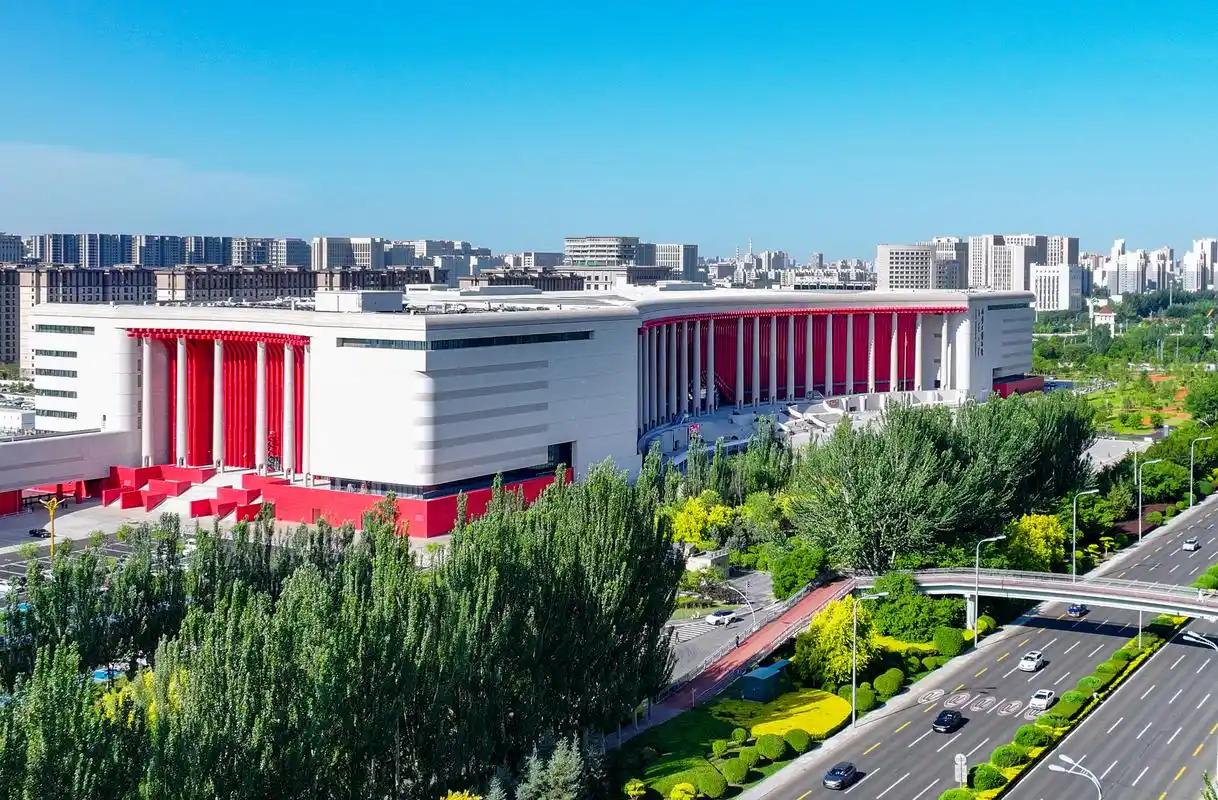
The building itself is worth the visit. Its sweeping arc-shaped silhouette draws on traditional Mongolian ger forms while embracing a thoroughly modern aesthetic, with sunlit atrium spaces reminiscent of Norman Foster's bright, transparent museum designs. Spanning four floors, the galleries unfold like a chronological epic, from primeval fossils to the multicultural fabric of contemporary Inner Mongolia.
Culturally, the museum reframes Chinese history by foregrounding the Xiongnu, Khitan, and Xianbei, peoples long treated as peripheral but who shaped dynastic China through centuries of exchange and conflict. Stunning Liao dynasty painted wooden coffins, gold funeral masks, and deer-head gold buyao hair ornaments offer a visual richness rivaling Byzantine or Carolingian treasures, providing crucial context for understanding how nomadic and agrarian worlds co-produced what we call Chinese civilization.
Located at 27 Xinhua East Street in Hohhot's Xincheng District, the museum is directly served by Museum Station on Metro Line 1. It opens Tuesday through Sunday from 9:00 to 17:00, with last entry at 16:00, and is closed on Mondays. Admission is free, but advance booking via the museum's WeChat account or the "Cloud Museum" mini-program is mandatory, with slots often filling a week ahead, so reserve early.
Plan 2.5 to 3.5 hours and begin on the second floor with the dinosaur hall, where the colossal Chagan Nuoer dinosaur and mammoth skeletons make an unforgettable first impression. Then ascend floor by floor before making a beeline for the fourth-floor Great Liao Khitan galleries to see the star coffins and gold masks. Free public tours run daily, or book a 30-yuan specialist guide for richer context. The museum's design shop, café, and stamp-collecting stations add further charm, and summer offers the pleasant bonus of cool indoor temperatures and an ideal season for family learning trips.
Comparable in scope and ambition to Berlin's Pergamon Museum but focused on the vast Eurasian steppe, the Inner Mongolia Museum holds one of China's most distinctive collections of nomadic heritage. The centerpiece is the Warring States period eagle-topped gold crown, the only Xiongnu noble diadem ever excavated, often compared to the Scythian gold hoards of the Hermitage in St. Petersburg. These masterpieces reveal a sophisticated steppe aristocracy whose wealth and artistry paralleled contemporary Mediterranean civilizations, challenging any notion that civilization was confined to sedentary empires.
The building itself is worth the visit. Its sweeping arc-shaped silhouette draws on traditional Mongolian ger forms while embracing a thoroughly modern aesthetic, with sunlit atrium spaces reminiscent of Norman Foster's bright, transparent museum designs. Spanning four floors, the galleries unfold like a chronological epic, from primeval fossils to the multicultural fabric of contemporary Inner Mongolia.
Culturally, the museum reframes Chinese history by foregrounding the Xiongnu, Khitan, and Xianbei, peoples long treated as peripheral but who shaped dynastic China through centuries of exchange and conflict. Stunning Liao dynasty painted wooden coffins, gold funeral masks, and deer-head gold buyao hair ornaments offer a visual richness rivaling Byzantine or Carolingian treasures, providing crucial context for understanding how nomadic and agrarian worlds co-produced what we call Chinese civilization.
Located at 27 Xinhua East Street in Hohhot's Xincheng District, the museum is directly served by Museum Station on Metro Line 1. It opens Tuesday through Sunday from 9:00 to 17:00, with last entry at 16:00, and is closed on Mondays. Admission is free, but advance booking via the museum's WeChat account or the "Cloud Museum" mini-program is mandatory, with slots often filling a week ahead, so reserve early.
Plan 2.5 to 3.5 hours and begin on the second floor with the dinosaur hall, where the colossal Chagan Nuoer dinosaur and mammoth skeletons make an unforgettable first impression. Then ascend floor by floor before making a beeline for the fourth-floor Great Liao Khitan galleries to see the star coffins and gold masks. Free public tours run daily, or book a 30-yuan specialist guide for richer context. The museum's design shop, café, and stamp-collecting stations add further charm, and summer offers the pleasant bonus of cool indoor temperatures and an ideal season for family learning trips.