Dazhao Temple
⭐ 4.70
Dazhao Temple, Huimin District, Hohhot City, Inner Mongolia Autonomous Region, China
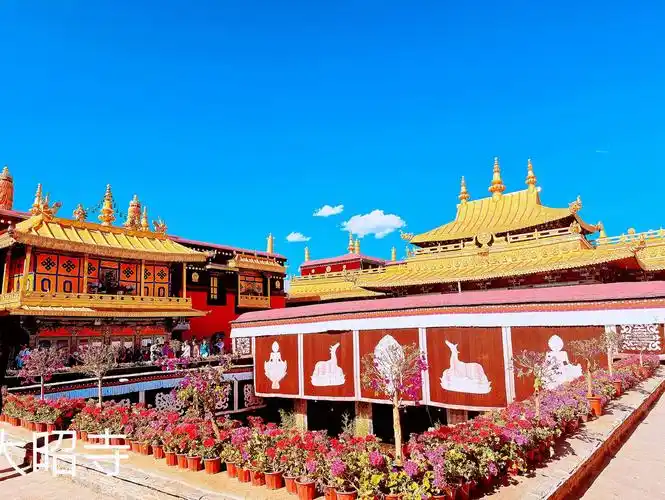 Founded in 1579–1580, Dazhao Temple emerged during an era of remarkable cross-cultural exchange—contemporary with Elizabethan drama and the late Italian Renaissance. Mongol leader Altan Khan of the Tümed tribe commissioned this Gelug school monastery, the oldest in Hohhot. Its prestige soared in 1586 when the Third Dalai Lama personally consecrated the silver Buddha here. Later, both the Shunzhi and Kangxi Emperors stayed within its walls, with Kangxi bestowing the name "Wuliang Temple" and granting imperial-yellow glazed roof tiles, elevating it to "imperial temple" status—a distinction unique among Mongolian Tibetan Buddhist sites, where no Living Buddha has ever been installed.
The temple's architecture harmoniously blends Han, Tibetan, and Mongolian styles along a central axis, progressing from the Mountain Gate through the Heavenly Kings Hall to the Main Hall and Thousand Buddha Pavilion. The crimson-and-grey walls crowned with gilded roofs create a visual drama reminiscent of Beijing's Forbidden City, though the Tibetan-inspired silhouette recalls the Potala Palace in Lhasa. Most spectacular are the two ten-meter pillars flanking the Silver Buddha Hall, wrapped in golden coiling dragons crafted using a no-nail technique—masterpieces that rival the decorative exuberance of any European baroque cathedral.
The temple's celebrated "Three Wonders" each merit close attention. The Silver Buddha—a three-meter seated Shakyamuni—weighs the equivalent of 30,000 taels of silver and was crafted by Nepalese artisans, linking the site to broader Himalayan Buddhist artistry. The dragon-carved pillars showcase extraordinary craftsmanship. But the most historically precious are the Ming Dynasty murals lining the Main Hall, painted with mineral pigments that retain their vibrancy after four centuries. The masterpiece "Buddha Teaching the Dharma" depicts over 770 figures in vivid narrative scenes—a Ming-era treasure comparable in significance to early Renaissance frescoes, offering an extraordinary window into 16th-century religious art.
Beyond its artistic treasures, Dazhao Temple stands as a living monument to the cultural fusion that defines Inner Mongolia. For centuries it served as a meeting point where Mongolian, Han Chinese, and Tibetan Buddhist traditions converged—a spiritual counterpart to the trading posts of the Silk Road. Its transformation into an "imperial temple" under the Kangxi Emperor reflects the Qing dynasty's sophisticated strategy of integrating Mongol territories through religious patronage, making it an essential site for travelers interested in China's complex ethnic and religious heritage.
Located on Dazhao Front Street in Yuquan District, the temple is easily reached via Metro Line 2 to Dazhao Wuliang Temple Station, or by buses 3, 6, and 13. Admission is 35 yuan in peak season and 30 yuan in off-season, with discounts for seniors, children, and military personnel. Summer hours run until 18:30, while winter closing is 17:30. Photography is prohibited inside the halls, so plan to absorb the atmosphere respectfully. Early morning or late afternoon visits offer the best light for exterior photography and fewer crowds—plan for about 1 to 1.5 hours to explore the temple fully.
Visitors should observe traditional Buddhist etiquette: avoid stepping on door thresholds, never touch the Buddha statues, and turn prayer wheels clockwise. Modest attire covering shoulders and knees is expected, as the temple remains an active place of worship. Just a five-minute walk away, Saishang Old Street invites visitors to sample local specialties like shaomai dumplings and salty milk tea, browse shops selling Mongolian leather paintings and traditional knives, and continue to the historic Yuquan Well. Combined with the nearby Mongolian Food Street, this creates a perfect half-day cultural itinerary blending spiritual heritage with regional culinary traditions.
Founded in 1579–1580, Dazhao Temple emerged during an era of remarkable cross-cultural exchange—contemporary with Elizabethan drama and the late Italian Renaissance. Mongol leader Altan Khan of the Tümed tribe commissioned this Gelug school monastery, the oldest in Hohhot. Its prestige soared in 1586 when the Third Dalai Lama personally consecrated the silver Buddha here. Later, both the Shunzhi and Kangxi Emperors stayed within its walls, with Kangxi bestowing the name "Wuliang Temple" and granting imperial-yellow glazed roof tiles, elevating it to "imperial temple" status—a distinction unique among Mongolian Tibetan Buddhist sites, where no Living Buddha has ever been installed.
The temple's architecture harmoniously blends Han, Tibetan, and Mongolian styles along a central axis, progressing from the Mountain Gate through the Heavenly Kings Hall to the Main Hall and Thousand Buddha Pavilion. The crimson-and-grey walls crowned with gilded roofs create a visual drama reminiscent of Beijing's Forbidden City, though the Tibetan-inspired silhouette recalls the Potala Palace in Lhasa. Most spectacular are the two ten-meter pillars flanking the Silver Buddha Hall, wrapped in golden coiling dragons crafted using a no-nail technique—masterpieces that rival the decorative exuberance of any European baroque cathedral.
The temple's celebrated "Three Wonders" each merit close attention. The Silver Buddha—a three-meter seated Shakyamuni—weighs the equivalent of 30,000 taels of silver and was crafted by Nepalese artisans, linking the site to broader Himalayan Buddhist artistry. The dragon-carved pillars showcase extraordinary craftsmanship. But the most historically precious are the Ming Dynasty murals lining the Main Hall, painted with mineral pigments that retain their vibrancy after four centuries. The masterpiece "Buddha Teaching the Dharma" depicts over 770 figures in vivid narrative scenes—a Ming-era treasure comparable in significance to early Renaissance frescoes, offering an extraordinary window into 16th-century religious art.
Beyond its artistic treasures, Dazhao Temple stands as a living monument to the cultural fusion that defines Inner Mongolia. For centuries it served as a meeting point where Mongolian, Han Chinese, and Tibetan Buddhist traditions converged—a spiritual counterpart to the trading posts of the Silk Road. Its transformation into an "imperial temple" under the Kangxi Emperor reflects the Qing dynasty's sophisticated strategy of integrating Mongol territories through religious patronage, making it an essential site for travelers interested in China's complex ethnic and religious heritage.
Located on Dazhao Front Street in Yuquan District, the temple is easily reached via Metro Line 2 to Dazhao Wuliang Temple Station, or by buses 3, 6, and 13. Admission is 35 yuan in peak season and 30 yuan in off-season, with discounts for seniors, children, and military personnel. Summer hours run until 18:30, while winter closing is 17:30. Photography is prohibited inside the halls, so plan to absorb the atmosphere respectfully. Early morning or late afternoon visits offer the best light for exterior photography and fewer crowds—plan for about 1 to 1.5 hours to explore the temple fully.
Visitors should observe traditional Buddhist etiquette: avoid stepping on door thresholds, never touch the Buddha statues, and turn prayer wheels clockwise. Modest attire covering shoulders and knees is expected, as the temple remains an active place of worship. Just a five-minute walk away, Saishang Old Street invites visitors to sample local specialties like shaomai dumplings and salty milk tea, browse shops selling Mongolian leather paintings and traditional knives, and continue to the historic Yuquan Well. Combined with the nearby Mongolian Food Street, this creates a perfect half-day cultural itinerary blending spiritual heritage with regional culinary traditions.