Zhoukou Museum
⭐ 3.80
Zhoukou Museum, Chuanhui District, Zhoukou City, Henan Province, China
 The Zhoukou Museum sits in a region that ranks among humanity's oldest continuously inhabited landscapes, comparable in archaeological significance to Egypt's Nile Valley or Mesopotamia's fertile plains. The area bears traces of human activity stretching back roughly 8,000 years to the Peiligang culture, predating the Egyptian pyramids by several millennia. According to tradition, this land gave rise to legendary figures including Fuxi (a cultural hero often likened to Prometheus for bringing civilization to humankind) and Laozi, the philosopher whose Taoist teachings parallel those of Greek Stoics in their emphasis on harmony with nature.
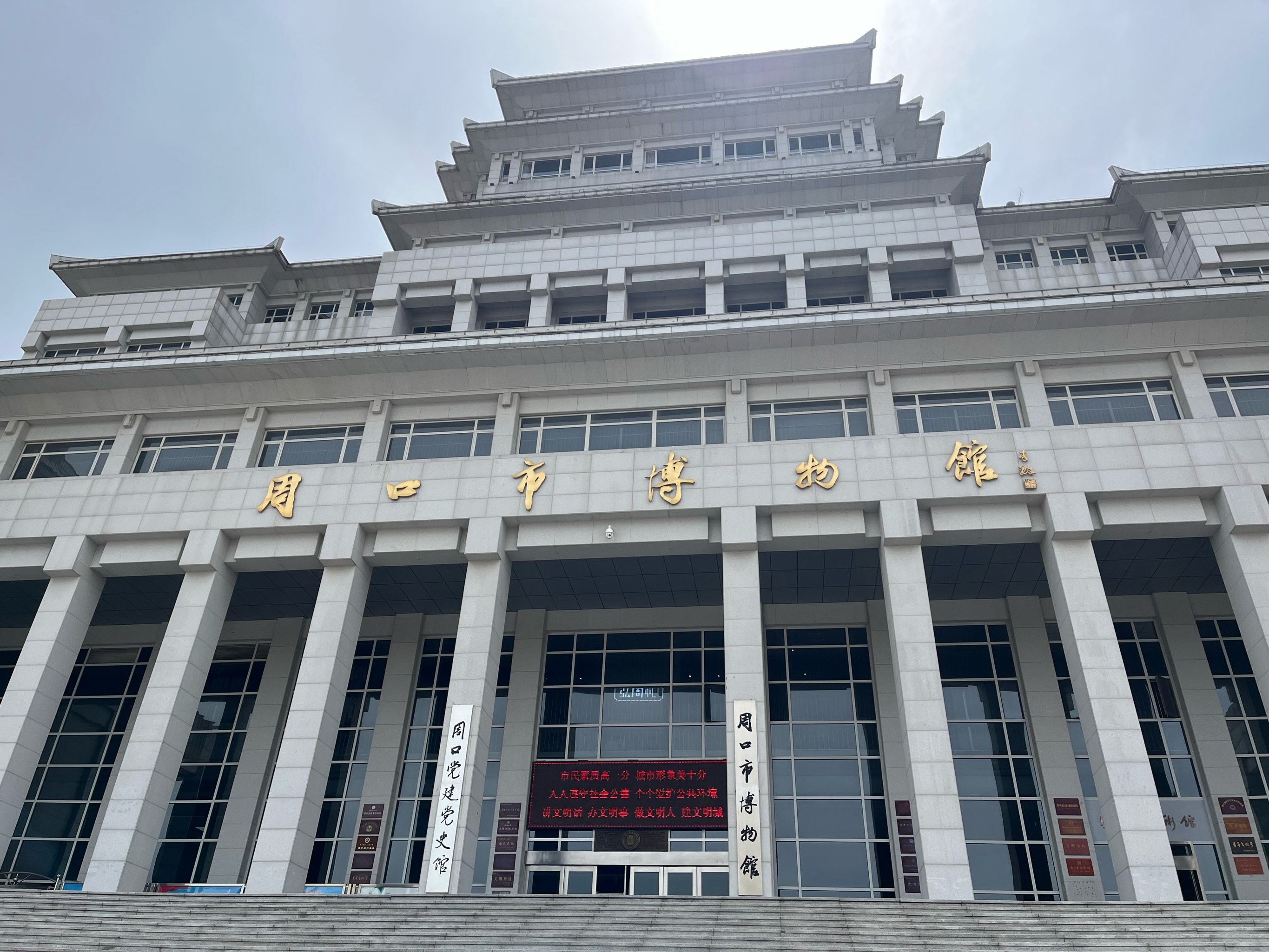
Housed in an imposing 16,000-square-meter building with a dignified, symmetrical facade reminiscent of classical museum architecture, the museum offers 8,000 square meters of bright, well-organized exhibition space. Its permanent display, "Above Wanqiu," unfolds across five themed galleries tracing the region's journey from prehistoric settlements through the Three Dynasties period (roughly contemporary with the Trojan War era) to the bustling canal-trade prosperity of Ming and Qing dynasties.
The museum's crown jewels captivate visitors with their extraordinary craftsmanship and historical resonance. The so-called "First Stone Grinding Plate of China," an immaculate Peiligang-era artifact, represents one of humanity's earliest known food-processing technologies. A Warring States bronze sword with gold inlay bears inscriptions in ancient bird-script characters, while a charmingly naturalistic Han dynasty green-glazed ceramic reclining ram showcases the playful side of early imperial artistry. Bronze ritual vessels recovered from the early Western Zhou tomb of Changzi Kou illuminate a sophisticated metalworking tradition flourishing contemporaneously with the rise of Homer's Greece.
Beyond its remarkable collections, the museum actively engages visitors through hands-on experiences including pottery making, Han stone rubbing, movable type printing demonstrations, and craft workshops. Holiday programming features lantern riddles and intangible heritage activities, creating an atmosphere reminiscent of a lively European cultural festival.
The museum operates Tuesday through Sunday from 9:00 AM to 5:00 PM, with last entry at 4:30 PM; hours extend to 6:00 PM during summer months. Admission is free, though groups should book two days ahead via the official WeChat account. Visitors are strongly encouraged to reserve a guided tour for richer context, and can conveniently combine their visit with the nearby Taihao Mausoleum and ancient Guandi Temple, both steeped in myth and history.
The Zhoukou Museum sits in a region that ranks among humanity's oldest continuously inhabited landscapes, comparable in archaeological significance to Egypt's Nile Valley or Mesopotamia's fertile plains. The area bears traces of human activity stretching back roughly 8,000 years to the Peiligang culture, predating the Egyptian pyramids by several millennia. According to tradition, this land gave rise to legendary figures including Fuxi (a cultural hero often likened to Prometheus for bringing civilization to humankind) and Laozi, the philosopher whose Taoist teachings parallel those of Greek Stoics in their emphasis on harmony with nature.
Housed in an imposing 16,000-square-meter building with a dignified, symmetrical facade reminiscent of classical museum architecture, the museum offers 8,000 square meters of bright, well-organized exhibition space. Its permanent display, "Above Wanqiu," unfolds across five themed galleries tracing the region's journey from prehistoric settlements through the Three Dynasties period (roughly contemporary with the Trojan War era) to the bustling canal-trade prosperity of Ming and Qing dynasties.
The museum's crown jewels captivate visitors with their extraordinary craftsmanship and historical resonance. The so-called "First Stone Grinding Plate of China," an immaculate Peiligang-era artifact, represents one of humanity's earliest known food-processing technologies. A Warring States bronze sword with gold inlay bears inscriptions in ancient bird-script characters, while a charmingly naturalistic Han dynasty green-glazed ceramic reclining ram showcases the playful side of early imperial artistry. Bronze ritual vessels recovered from the early Western Zhou tomb of Changzi Kou illuminate a sophisticated metalworking tradition flourishing contemporaneously with the rise of Homer's Greece.
Beyond its remarkable collections, the museum actively engages visitors through hands-on experiences including pottery making, Han stone rubbing, movable type printing demonstrations, and craft workshops. Holiday programming features lantern riddles and intangible heritage activities, creating an atmosphere reminiscent of a lively European cultural festival.
The museum operates Tuesday through Sunday from 9:00 AM to 5:00 PM, with last entry at 4:30 PM; hours extend to 6:00 PM during summer months. Admission is free, though groups should book two days ahead via the official WeChat account. Visitors are strongly encouraged to reserve a guided tour for richer context, and can conveniently combine their visit with the nearby Taihao Mausoleum and ancient Guandi Temple, both steeped in myth and history.