Hongluo Temple

⭐ 4.80

No. 2, Hongluo East Road, Huairou Town, Huairou District, Beijing, China
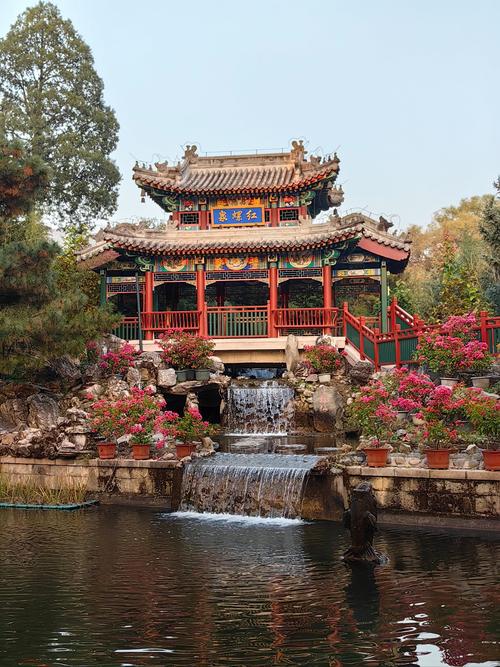
Hongluo Temple
Founded in 338 CE during the Eastern Jin Dynasty, Hongluo Temple predates the construction of Westminster Abbey by nearly four centuries and stands as one of northern China's earliest Buddhist strongholds. While Europe was still transitioning from Roman to medieval Christian culture, this temple was already established as a spiritual center. Over sixteen centuries, successive dynasties expanded and restored the complex, ensuring an unbroken lineage of Buddhist practice that has outlasted countless political upheavals. Its enduring slogan—"In the south lies Putuo, in the north lies Hongluo"—places it alongside Mount Putuo, one of China's four sacred Buddhist mountains, as a destination of equal spiritual stature. The temple's architecture preserves the elegant restraint of Tang and Song Dynasty design, with sweeping rooflines and weathered timber halls that echo the contemplative dignity of a Romanesque abbey or a Tuscan monastery. The imposing Mahavira Hall anchors the complex, flanked by the legendary twin ginkgo trees that blaze gold each autumn and have stood together for a millennium. Their intertwined canopies symbolize marital harmony, making them a focal point for pilgrims seeking blessings in love and family life. The site's careful orientation—facing south toward the plains while backed by the protective embrace of Hongluo Mountain—reflects classical feng shui principles that shaped sacred Chinese landscapes for millennia. Beyond architecture, Hongluo enchants visitors with its three natural wonders. The Imperial Bamboo Grove, planted during the Yuan Dynasty in the 13th century, surrounds visitors in emerald stillness—a meditation garden on a grand scale. Each spring, the Wisteria Pine astonishes with cascades of purple blooms draping an ancient pine, a botanical spectacle rivaling the floral displays of European Baroque gardens. Atop the mountain, Guanyin Temple houses thirty-three statues representing the Bodhisattva's many manifestations, reached via either a thousand-step stone staircase or a forest slide. Free incense is offered to all visitors, allowing anyone to participate in this living tradition of prayer and blessing. Practical information helps ensure a smooth visit. The site is a National AAAA Tourist Attraction, open daily from 8:30 to 17:30 with last entry at 16:00. Adult admission is 54 yuan, with half-price tickets for students and free entry for eligible seniors. Allow three to four hours to fully appreciate both temple grounds and summit views. The forest slide round-trip costs approximately 100 yuan, a fun alternative for those preferring not to climb. Summer brings cool relief beneath the bamboo canopy, while autumn transforms the ginkgo trees into a golden spectacle—each season offering its own rewards. Sturdy footwear is recommended for the stone steps, and visitors should bring sun protection and water. For current conditions, contact 010-60681175 before traveling. Why visit Hongluo Temple? It offers something increasingly rare in modern China: an authentic spiritual retreat where over sixteen centuries of Buddhist devotion remain tangible. Unlike the crowded imperial sites of central Beijing, this temple provides space for genuine reflection amid natural beauty. Whether you come seeking blessings, photographic inspiration, or simply a peaceful half-day escape from urban intensity, Hongluo delivers a layered experience that rewards both casual tourists and culturally curious travelers.

Traveler reviews

It was so hot that we only stayed an hour with the kids. The environment is really beautiful, but it's already run as a tourist attraction — we didn't see a single monk, just staff in shirt uniforms. Each hall has free incense you can take. The thousand-year-old ginkgo and pine trees intertwined with wisteria, plus the murals and Buddha statues — this place has real history, worth a visit. Unfor...
⭐ 4 · Robin Hayes Expand
About ten kilometers from Huairou city center. They say it's very effective for praying for love, the scenery is beautiful, and the temple has a strong sense of history. There's also a greenhouse with flow...
⭐ 5 · Jamie Cole Expand