Laozi's Hometown Scenic Area
⭐ 3.80
Laozi's Hometown Scenic Area, Luyi County, Zhoukou City, Henan Province, China
 Luyi Laozi's Hometown preserves over two and a half millennia of philosophical heritage. Laozi, traditionally dated to the 6th century BCE—a contemporary of Confucius and roughly contemporaneous with the Greek thinker Heraclitus—is said to have written the Tao Te Ching here. This slim text of 5,000 characters ranks among the most translated works in history, second only to the Bible. The site emerged as an imperial ritual center during the Tang and Song dynasties, when emperors made pilgrimages to honor China's patron philosopher. A massive Song-era stele weighing over fifty tons still stands as testament to this tradition, evoking the sacred weight of ancient Delphi.
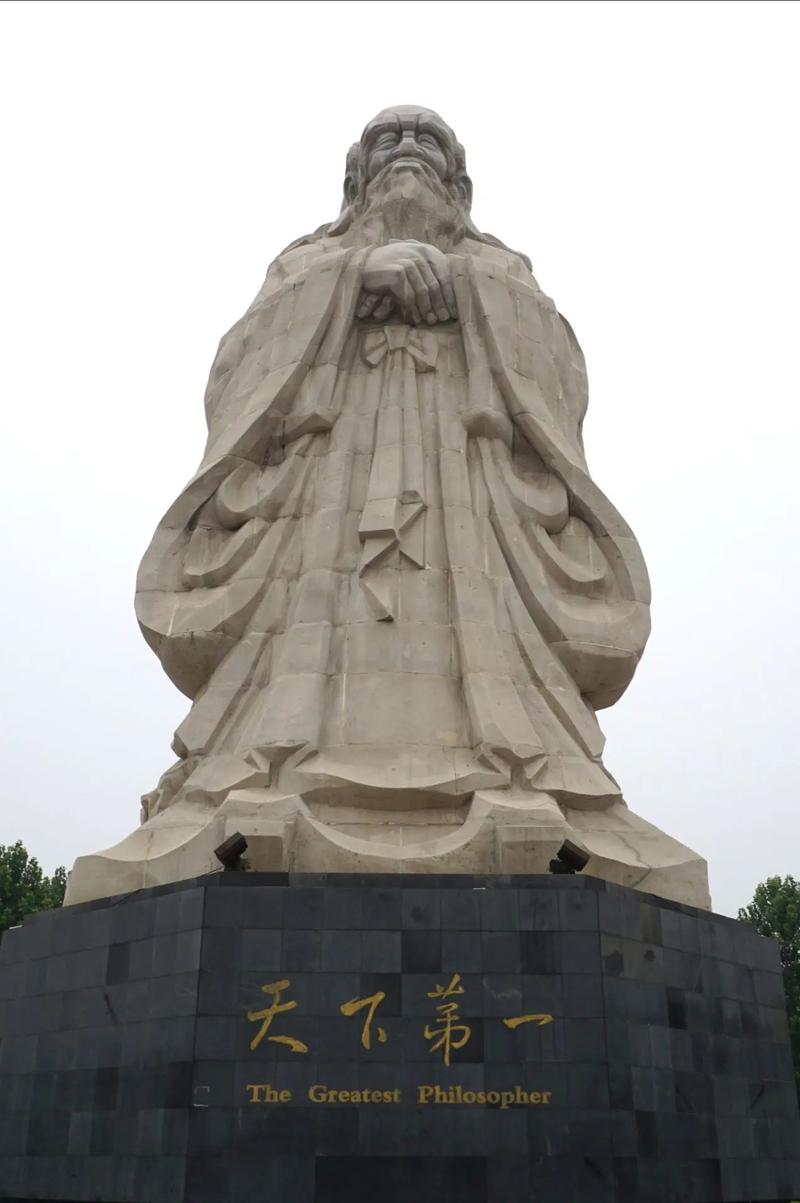
The sacred precinct unfolds across two complementary complexes. Taiqing Palace, encircled by vermilion walls and tiered halls, centers on the imposing Taiji Hall and a colossal stone statue of Laozi exuding quiet gravitas. Ancient cypress trees, legend says planted by Laozi himself, twist skyward as living witnesses to twenty-five centuries. Mingdao Palace features the cylindrical Laojun Platform, rising eight meters with thirty-three steps symbolizing Laozi's ascension to immortality. The Song-style halls surrounding it display the understated elegance of classical Chinese religious architecture, comparable in serenity to a Carthusian monastery or a Japanese Zen compound.
Beyond its spiritual allure, the site harbors stone inscriptions spanning from Han to Qing dynasties, with the prized "Three Imperial Steles" as crown jewels. Most haunting is a cluster of thirteen unexploded Japanese shells embedded in the Laojun Platform from the 1938 invasion—an eerie testament to wartime devastation and a local legend that Laozi's spirit protected his birthplace. Today, the complex serves as the supreme pilgrimage destination for Taoists worldwide and for those bearing the surname Li, who trace their lineage to Laozi, much as devotees journey to Canterbury or Santiago de Compostela to walk in the footsteps of their spiritual ancestors.
Visiting is refreshingly affordable, with individual tickets around 10 yuan and combo tickets offering better value. Summer hours run 8:00 to 17:30; winter closes at 17:00. Plan two to four hours to explore both complexes on foot. The site lies roughly an hour's drive from Zhoukou city, with self-driving or intercity buses the most practical options. Spring and autumn offer the most comfortable weather. For deeper insight, rent an audio guide or arrange a docent in advance to unlock the historical stories behind each sacred spot.
This is a destination for travelers seeking substance over spectacle. Observe customary decorum—keep voices low, never step on door thresholds, and silence camera flashes. Nearby, sample regional specialties like warming Luyi mahu porridge and savory Kongji braised chicken, or browse the famous local makeup brush industry for an unexpected souvenir. Few places on earth offer such an intimate encounter with the cradle of Taoist thought, making Luyi essential for philosophy enthusiasts, cultural explorers, and anyone drawn to the quieter dimensions of China's profound heritage.
Luyi Laozi's Hometown preserves over two and a half millennia of philosophical heritage. Laozi, traditionally dated to the 6th century BCE—a contemporary of Confucius and roughly contemporaneous with the Greek thinker Heraclitus—is said to have written the Tao Te Ching here. This slim text of 5,000 characters ranks among the most translated works in history, second only to the Bible. The site emerged as an imperial ritual center during the Tang and Song dynasties, when emperors made pilgrimages to honor China's patron philosopher. A massive Song-era stele weighing over fifty tons still stands as testament to this tradition, evoking the sacred weight of ancient Delphi.
The sacred precinct unfolds across two complementary complexes. Taiqing Palace, encircled by vermilion walls and tiered halls, centers on the imposing Taiji Hall and a colossal stone statue of Laozi exuding quiet gravitas. Ancient cypress trees, legend says planted by Laozi himself, twist skyward as living witnesses to twenty-five centuries. Mingdao Palace features the cylindrical Laojun Platform, rising eight meters with thirty-three steps symbolizing Laozi's ascension to immortality. The Song-style halls surrounding it display the understated elegance of classical Chinese religious architecture, comparable in serenity to a Carthusian monastery or a Japanese Zen compound.
Beyond its spiritual allure, the site harbors stone inscriptions spanning from Han to Qing dynasties, with the prized "Three Imperial Steles" as crown jewels. Most haunting is a cluster of thirteen unexploded Japanese shells embedded in the Laojun Platform from the 1938 invasion—an eerie testament to wartime devastation and a local legend that Laozi's spirit protected his birthplace. Today, the complex serves as the supreme pilgrimage destination for Taoists worldwide and for those bearing the surname Li, who trace their lineage to Laozi, much as devotees journey to Canterbury or Santiago de Compostela to walk in the footsteps of their spiritual ancestors.
Visiting is refreshingly affordable, with individual tickets around 10 yuan and combo tickets offering better value. Summer hours run 8:00 to 17:30; winter closes at 17:00. Plan two to four hours to explore both complexes on foot. The site lies roughly an hour's drive from Zhoukou city, with self-driving or intercity buses the most practical options. Spring and autumn offer the most comfortable weather. For deeper insight, rent an audio guide or arrange a docent in advance to unlock the historical stories behind each sacred spot.
This is a destination for travelers seeking substance over spectacle. Observe customary decorum—keep voices low, never step on door thresholds, and silence camera flashes. Nearby, sample regional specialties like warming Luyi mahu porridge and savory Kongji braised chicken, or browse the famous local makeup brush industry for an unexpected souvenir. Few places on earth offer such an intimate encounter with the cradle of Taoist thought, making Luyi essential for philosophy enthusiasts, cultural explorers, and anyone drawn to the quieter dimensions of China's profound heritage.