Nanyang Old Street
⭐ 3.20
Northwest side of the intersection of Zhongjing Road and Jianshe Road, Wancheng District, Nanyang City, Henan Province, China
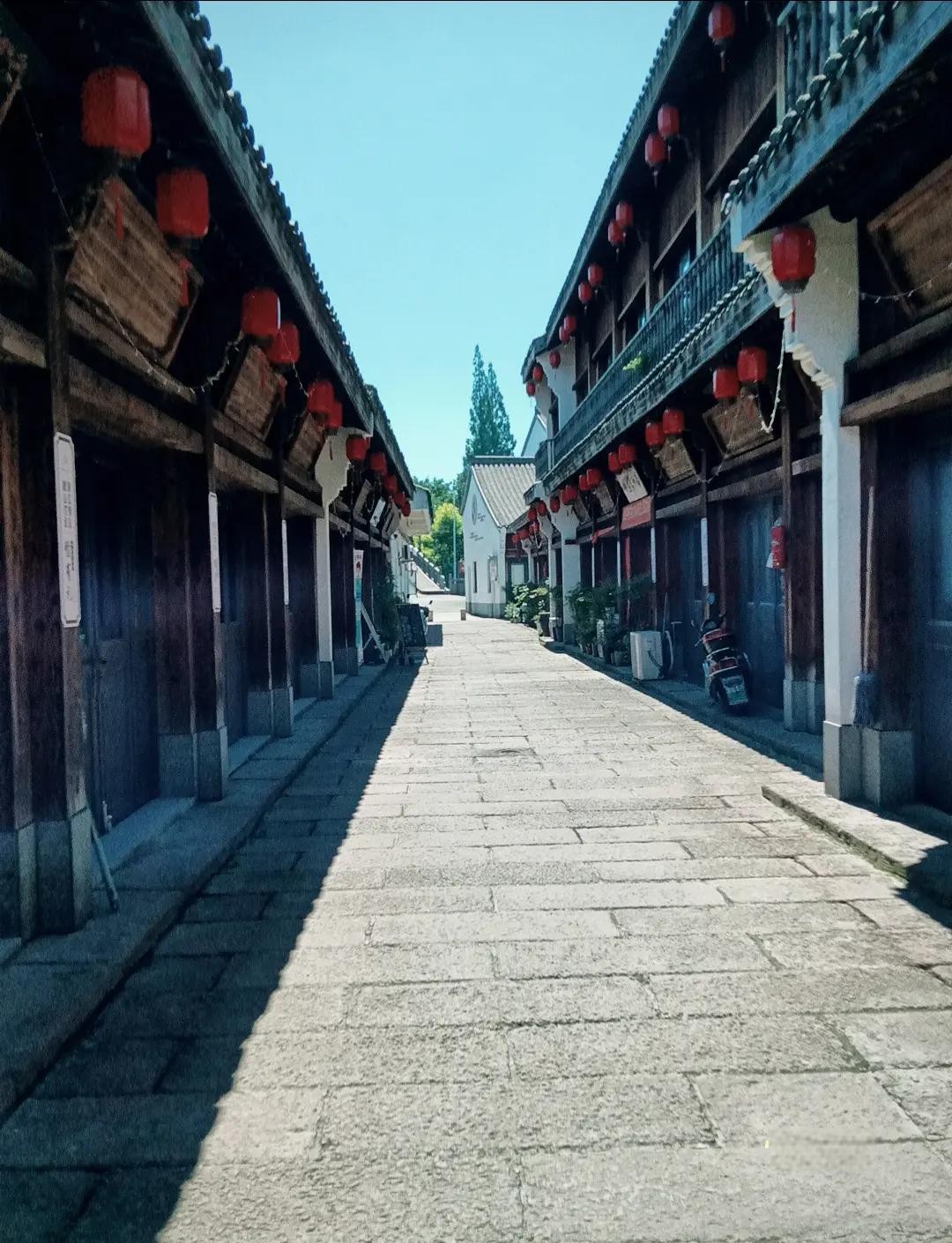 The neighborhood's origins stretch back to the Ming and Qing dynasties, when Nanyang—known historically as Wancheng—served as the political heart of a vast basin in southern Henan. Wandering its "eighty-one lanes," you can still trace the original street grid, a layout as legible as the medieval town plans of Bruges or York. The most evocative survivor is the Tang princely palace site along Minzhu Street, whose quiet foundations whisper of an era when this provincial capital rivaled cities further south along the old trade routes.
Architecture here is refreshingly honest: brick-and-timber shop-houses and courtyard homes dating from the Ming through the Republican period, none of them polished into a theme-park pastiche. The undisputed heavyweight is the Nanyang Prefecture Office, a sprawling Yuan-dynasty government compound whose grey-brick severity recalls a smaller, more intimate version of Beijing's Forbidden City. Against this solemn backdrop, the surrounding market stalls feel almost cinematic in their contrast—centuries of bureaucracy framed by sizzling woks and shouting vendors.
What makes the district special is that it works as a neighborhood first and a heritage site second. Residents still live above the shops, barbers still sweep their stoops at dawn, and elders gather on plastic stools to argue about the day. Tucked among the storefronts, a handful of workshops carry on intangible heritage crafts—paper-cutting, bamboo weaving, traditional medicine—giving visitors a glimpse of southern Henan's folk culture in motion, much like the artisan quarters of Florence's Oltrarno.
The street's soul, however, is its food. The Fuya小吃街 alone gathers 22 Henan specialties, from the springy, chili-slicked noodles of Nanyang banmian to crisp sesame-flecked guokui flatbreads and the peppery, vinegar-kicked hula tang broth. Look for vendors who have operated a decade or longer—the stalls at the entrance tend to inflate prices, while the locals crowd deeper in. Eat standing, eat with strangers, and don't be shy about pointing.
Practical notes: the district is free and open around the clock, but the magic happens between 18:30 and 21:30 when the night market takes over. Budget one to two hours for a leisurely stroll, longer if you linger over meals. The area is centrally located and well-served by buses and ride-hailing apps, though parking is genuinely difficult—don't bother with a car. Weekdays are quieter and more atmospheric than weekends. Start your walk at the Prefecture Office and let the lanes lead you; there is no map, no script, and that is precisely the point.
The neighborhood's origins stretch back to the Ming and Qing dynasties, when Nanyang—known historically as Wancheng—served as the political heart of a vast basin in southern Henan. Wandering its "eighty-one lanes," you can still trace the original street grid, a layout as legible as the medieval town plans of Bruges or York. The most evocative survivor is the Tang princely palace site along Minzhu Street, whose quiet foundations whisper of an era when this provincial capital rivaled cities further south along the old trade routes.
Architecture here is refreshingly honest: brick-and-timber shop-houses and courtyard homes dating from the Ming through the Republican period, none of them polished into a theme-park pastiche. The undisputed heavyweight is the Nanyang Prefecture Office, a sprawling Yuan-dynasty government compound whose grey-brick severity recalls a smaller, more intimate version of Beijing's Forbidden City. Against this solemn backdrop, the surrounding market stalls feel almost cinematic in their contrast—centuries of bureaucracy framed by sizzling woks and shouting vendors.
What makes the district special is that it works as a neighborhood first and a heritage site second. Residents still live above the shops, barbers still sweep their stoops at dawn, and elders gather on plastic stools to argue about the day. Tucked among the storefronts, a handful of workshops carry on intangible heritage crafts—paper-cutting, bamboo weaving, traditional medicine—giving visitors a glimpse of southern Henan's folk culture in motion, much like the artisan quarters of Florence's Oltrarno.
The street's soul, however, is its food. The Fuya小吃街 alone gathers 22 Henan specialties, from the springy, chili-slicked noodles of Nanyang banmian to crisp sesame-flecked guokui flatbreads and the peppery, vinegar-kicked hula tang broth. Look for vendors who have operated a decade or longer—the stalls at the entrance tend to inflate prices, while the locals crowd deeper in. Eat standing, eat with strangers, and don't be shy about pointing.
Practical notes: the district is free and open around the clock, but the magic happens between 18:30 and 21:30 when the night market takes over. Budget one to two hours for a leisurely stroll, longer if you linger over meals. The area is centrally located and well-served by buses and ride-hailing apps, though parking is genuinely difficult—don't bother with a car. Weekdays are quieter and more atmospheric than weekends. Start your walk at the Prefecture Office and let the lanes lead you; there is no map, no script, and that is precisely the point.