Longzhong Scenic Area
⭐ 4.20
Longzhong Scenic Area, Xiangcheng District, Nanyang City, Henan Province, China
 Historical Context
Longzhong's fame rests on a single transformative decade, around 197–207 CE, when the young Zhuge Liang retreated from a collapsing Han dynasty to till these lands and study beneath a humble thatched roof. His eventual recruitment by the aspiring warlord Liu Bei—after three humble visits—mirrors the Platonic ideal of the philosopher-king meeting the student-prince, and parallels moments like Aristotle tutoring Alexander. From this rustic setting emerged the "Longzhong Plan," a tripartite strategy that would, in theory, restore a unified Chinese empire. Even though centuries later scholars debated whether Longzhong lay in "Nanyang" or "Xiangyang," the cultural memory here remains undisputed.
Architecture and Landscape
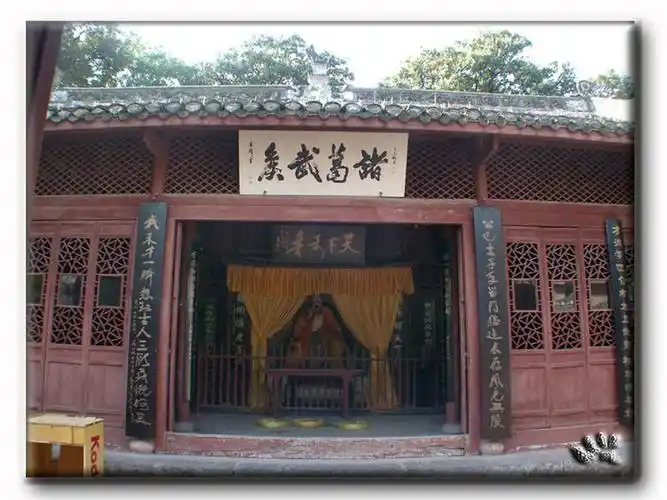
Although the surviving structures were largely rebuilt during the Ming and Qing dynasties rather than surviving from Zhuge Liang's era, the architectural ensemble preserves a dignified classical grace. The imposing Wuhou Shrine honors Zhuge Liang as both statesman and military genius, while the Three Visits Hall vividly re-enacts the pivotal audience between ruler and recluse. Scattered among fragrant pines and cypresses, the Thatched Cottage Pavilion, the hexagonal ancient well, and the Tenglong Pavilion blend harmoniously with the wooded terrain, creating a memorial garden atmosphere reminiscent of Italy's Renaissance villas or Japan's hermitage temples.
Cultural Significance
Longzhong stands as the spiritual heart of Three Kingdoms culture, a literary and folkloric tradition that, much like the legends of King Arthur or Roland in Europe, has captivated generations across East Asia. Hundreds of historical stone inscriptions adorn the site, including poetic tributes from literary giants such as Li Bai and Du Fu. The famous "Ten Scenic Views of Longzhong" fuse natural beauty with historical resonance, and the park actively stages themed events that bring Zhuge Liang's strategic thought and Confucian ideals of loyalty to vivid life.
Practical Visit Information
Rated a national 5A tourist attraction, Longzhong is easily reached from central Xiangyang via Bus Route 6 or tourist shuttle to the "Gulongzhong" stop; taxis and self-driving cover the roughly 15 km route in about 30 minutes. Foreign visitors should bring their original passport to purchase tickets at staffed counters, as English signage and interpretation services remain limited—renting an audio guide or booking an English-speaking guide in advance is strongly recommended. The recommended counter-clockwise loop—Stone Archway, Three Visits Hall, Wuhou Shrine, Thatched Cottage Pavilion, Cultivation Fields, Longzhong Academy, Baoxi Pavilion, and Tenglong Pavilion—takes roughly two to three hours.
Visitor Tips and Why Visit
Spring brings peach and plum blossoms that transform the slopes into a watercolor painting, while summer demands sun protection and rain gear; comfortable non-slip walking shoes are essential, as the park's cobbled paths and stone steps can be steep and uneven. Visitors should observe respectful silence inside the Wuhou Shrine and refrain from touching any inscriptions or relics. For travelers drawn to the romance of strategy, loyalty, and quiet contemplation—themes that transcend cultures from Machiavelli's Florence to Sun Tzu's battlefields—Longzhong offers a rare chance to stand on the very ground where one of history's greatest minds first conceived his vision for a unified realm.
Historical Context
Longzhong's fame rests on a single transformative decade, around 197–207 CE, when the young Zhuge Liang retreated from a collapsing Han dynasty to till these lands and study beneath a humble thatched roof. His eventual recruitment by the aspiring warlord Liu Bei—after three humble visits—mirrors the Platonic ideal of the philosopher-king meeting the student-prince, and parallels moments like Aristotle tutoring Alexander. From this rustic setting emerged the "Longzhong Plan," a tripartite strategy that would, in theory, restore a unified Chinese empire. Even though centuries later scholars debated whether Longzhong lay in "Nanyang" or "Xiangyang," the cultural memory here remains undisputed.
Architecture and Landscape
Although the surviving structures were largely rebuilt during the Ming and Qing dynasties rather than surviving from Zhuge Liang's era, the architectural ensemble preserves a dignified classical grace. The imposing Wuhou Shrine honors Zhuge Liang as both statesman and military genius, while the Three Visits Hall vividly re-enacts the pivotal audience between ruler and recluse. Scattered among fragrant pines and cypresses, the Thatched Cottage Pavilion, the hexagonal ancient well, and the Tenglong Pavilion blend harmoniously with the wooded terrain, creating a memorial garden atmosphere reminiscent of Italy's Renaissance villas or Japan's hermitage temples.
Cultural Significance
Longzhong stands as the spiritual heart of Three Kingdoms culture, a literary and folkloric tradition that, much like the legends of King Arthur or Roland in Europe, has captivated generations across East Asia. Hundreds of historical stone inscriptions adorn the site, including poetic tributes from literary giants such as Li Bai and Du Fu. The famous "Ten Scenic Views of Longzhong" fuse natural beauty with historical resonance, and the park actively stages themed events that bring Zhuge Liang's strategic thought and Confucian ideals of loyalty to vivid life.
Practical Visit Information
Rated a national 5A tourist attraction, Longzhong is easily reached from central Xiangyang via Bus Route 6 or tourist shuttle to the "Gulongzhong" stop; taxis and self-driving cover the roughly 15 km route in about 30 minutes. Foreign visitors should bring their original passport to purchase tickets at staffed counters, as English signage and interpretation services remain limited—renting an audio guide or booking an English-speaking guide in advance is strongly recommended. The recommended counter-clockwise loop—Stone Archway, Three Visits Hall, Wuhou Shrine, Thatched Cottage Pavilion, Cultivation Fields, Longzhong Academy, Baoxi Pavilion, and Tenglong Pavilion—takes roughly two to three hours.
Visitor Tips and Why Visit
Spring brings peach and plum blossoms that transform the slopes into a watercolor painting, while summer demands sun protection and rain gear; comfortable non-slip walking shoes are essential, as the park's cobbled paths and stone steps can be steep and uneven. Visitors should observe respectful silence inside the Wuhou Shrine and refrain from touching any inscriptions or relics. For travelers drawn to the romance of strategy, loyalty, and quiet contemplation—themes that transcend cultures from Machiavelli's Florence to Sun Tzu's battlefields—Longzhong offers a rare chance to stand on the very ground where one of history's greatest minds first conceived his vision for a unified realm.