Koktokay Birch Forest
⭐ 4.20
Fuyun County, Altay Prefecture, Xinjiang, China
 The Altai range has witnessed millennia of nomadic migration along the ancient Silk Road, with Kazakh herders long venerating the birch as a symbol of purity and enduring love—much as Scandinavians do today. In modern times, the valley earned Cold War fame through the extraordinary No. 3 Mine, where miners extracted rare minerals that helped the young People's Republic pay off Soviet debts during the 1960s. The Irtysh itself flows 4,248 kilometers north to the Arctic Ocean, the only Chinese river to do so, linking this remote corner of Xinjiang to the great Siberian waterways charted by early Russian explorers.
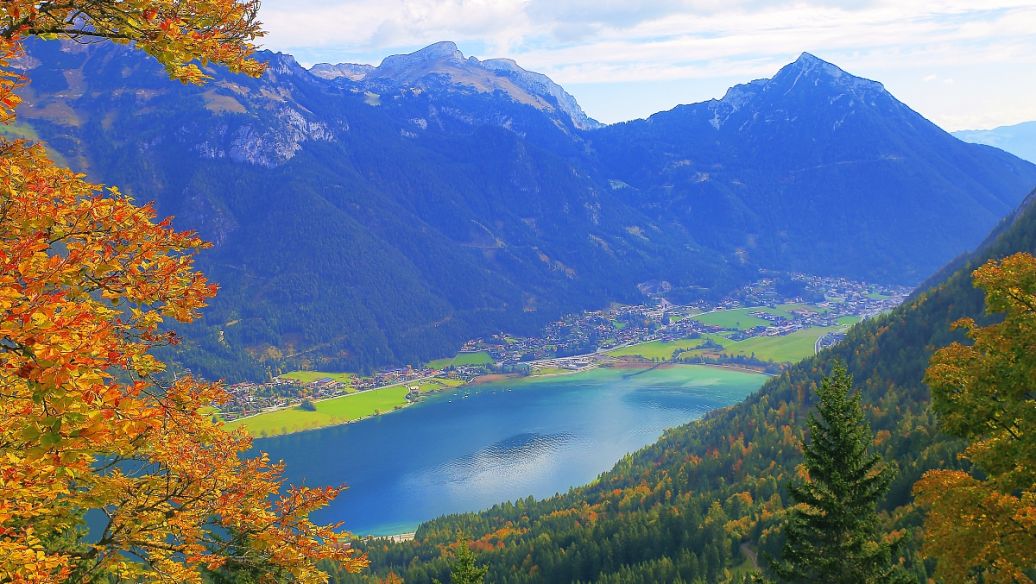
Unlike the sheer cliffs of the Colorado Grand Canyon or Norway's fjords, the Irtysh Grand Canyon presents a gentler yet equally compelling drama: weathered granite spires rising above river-carved valleys blanketed in silver-barked birches. The river weaves through the gorge, dividing dense groves into river-islands that double their splendor in still water. Wooden boardwalks trace the valley floor on gentle gradients, with viewing platforms capturing panoramic compositions of emerald summer canopy, blazing autumn gold, or distant snowfields gleaming like the Alps seen from afar.
Since the release of the popular ballad "The Shepherd of Koktokay," this valley has become a cultural shorthand for romance and wanderlust across China. Kazakh performers occasionally bring folk dances to life among the trees, and the birch's symbolism resonates with travelers familiar with northern European folklore. Those curious about the area's layered history can walk next door to the No. 3 Mine Geopark, where exhibits recount the miners' Cold War–era contributions and the astonishing quantities of beryllium, lithium, and cesium pulled from the earth.
The site lies roughly 70 kilometers from Fuyun County in Altai Prefecture, reached via well-maintained roads that twist through mountain passes demanding cautious driving. Shuttle buses ferry visitors from the entrance directly to the canyon heart, where a relaxed round-trip forest walk takes one to two hours. Elevation sits between 1,200 and 1,500 meters, so even July evenings can feel brisk—pack a windproof layer. Gates close at 18:30, and refreshment stands are sparse, so bring water and snacks; treat the fragile ecosystem with respect and leave the foliage where it falls.
Time your visit for mid-September through early October, when the birches reach their legendary golden peak—imagine New England's fall foliage transplanted beneath Tien Shan snow peaks. Summer travelers trade color for cool relief, with daytime temperatures rarely climbing above 25°C. Photographers should aim for early morning or late afternoon, when reflections on the Irtysh turn the river-islands into glowing mirrors. Few places on earth weave together Soviet-era mining legend, Kazakh pastoral tradition, and unfiltered natural drama so seamlessly.
The Altai range has witnessed millennia of nomadic migration along the ancient Silk Road, with Kazakh herders long venerating the birch as a symbol of purity and enduring love—much as Scandinavians do today. In modern times, the valley earned Cold War fame through the extraordinary No. 3 Mine, where miners extracted rare minerals that helped the young People's Republic pay off Soviet debts during the 1960s. The Irtysh itself flows 4,248 kilometers north to the Arctic Ocean, the only Chinese river to do so, linking this remote corner of Xinjiang to the great Siberian waterways charted by early Russian explorers.
Unlike the sheer cliffs of the Colorado Grand Canyon or Norway's fjords, the Irtysh Grand Canyon presents a gentler yet equally compelling drama: weathered granite spires rising above river-carved valleys blanketed in silver-barked birches. The river weaves through the gorge, dividing dense groves into river-islands that double their splendor in still water. Wooden boardwalks trace the valley floor on gentle gradients, with viewing platforms capturing panoramic compositions of emerald summer canopy, blazing autumn gold, or distant snowfields gleaming like the Alps seen from afar.
Since the release of the popular ballad "The Shepherd of Koktokay," this valley has become a cultural shorthand for romance and wanderlust across China. Kazakh performers occasionally bring folk dances to life among the trees, and the birch's symbolism resonates with travelers familiar with northern European folklore. Those curious about the area's layered history can walk next door to the No. 3 Mine Geopark, where exhibits recount the miners' Cold War–era contributions and the astonishing quantities of beryllium, lithium, and cesium pulled from the earth.
The site lies roughly 70 kilometers from Fuyun County in Altai Prefecture, reached via well-maintained roads that twist through mountain passes demanding cautious driving. Shuttle buses ferry visitors from the entrance directly to the canyon heart, where a relaxed round-trip forest walk takes one to two hours. Elevation sits between 1,200 and 1,500 meters, so even July evenings can feel brisk—pack a windproof layer. Gates close at 18:30, and refreshment stands are sparse, so bring water and snacks; treat the fragile ecosystem with respect and leave the foliage where it falls.
Time your visit for mid-September through early October, when the birches reach their legendary golden peak—imagine New England's fall foliage transplanted beneath Tien Shan snow peaks. Summer travelers trade color for cool relief, with daytime temperatures rarely climbing above 25°C. Photographers should aim for early morning or late afternoon, when reflections on the Irtysh turn the river-islands into glowing mirrors. Few places on earth weave together Soviet-era mining legend, Kazakh pastoral tradition, and unfiltered natural drama so seamlessly.