Koktokay Geopark
⭐ 4.70
Koktokay Geopark, Koktokay Town, Altay Prefecture, Xinjiang Uygur Autonomous Region, China
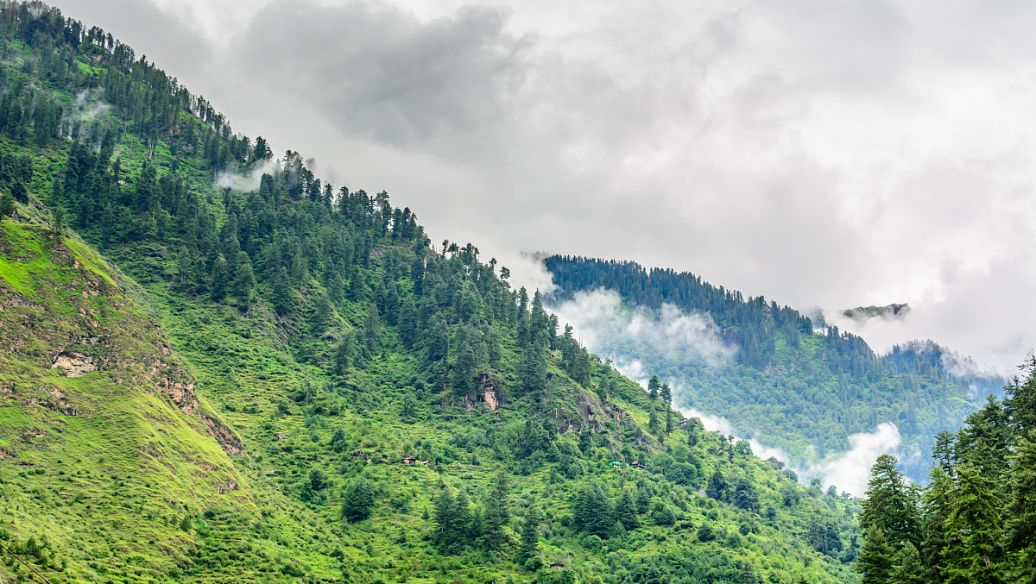 The crown jewel is the Irtysh Grand Canyon, where the river has sliced through billion-year-old granite to create fantastical sculpted peaks. The most striking formation, "God Bell Mountain," is a colossal bell-shaped granite monolith rising sheer from the gorge—imagine a giant's cathedral bell forged by tectonic forces, rivaling the drama of Yosemite's El Capitan but rendered in warm, rust-streaked stone. Visitors travel deep into the canyon by shuttle bus, where birch forests, plunging waterfalls, and the river's turquoise currents weave together in a landscape as remote as any in the Carpathians.
The No. 3 Mine Pit is where geology meets modern history. This 143-meter-deep open-pit operation yielded 86 minerals and became known as the "Merit Mine" for its role in repaying Soviet-era debts during the 1950s and supplying critical materials for China's atomic bomb, satellite, and missile programs—comparable in national significance to the Los Alamos labs that powered America's Manhattan Project. An on-site geological museum documents this extraordinary era, and select tunnels can be entered by visitors, making this a profound stop for those interested in Cold War history and resource geopolitics.
Two contrasting wetlands reward patient travelers. Kokosuli, or "Wild Duck Lake," is a floating-island marsh alive with migratory waterfowl in summer and autumn—a serene spot reminiscent of Danube Delta birding experiences, perfect for photography and quiet walks. Nearby Iremu Lake fills a seismic fault basin, its broad surface framed by dramatic step-like fault scarps visible along the western shore. These terraces offer an accessible lesson in plate tectonics, visually echoing Iceland's rift valleys.
The Karaxungel Seismic Fault Zone bears silent witness to an 8.0-magnitude earthquake in 1931—one of the largest continental events ever recorded. Walking the fault trace feels like traversing an open-air geology museum, with displaced ridges and fractured rock offering visceral proof of Earth's power on a par with California's San Andreas exposures. Few places worldwide let visitors stand so directly atop such recent geological violence.
Practicalities: visit from late August through September for peak autumn color, though winter brings seven months of snow and excellent national-rated skiing. Entrance costs roughly 90 RMB with shuttle fees around 26–30 RMB. Allow half to a full day. Note that the park lies within a border management zone—drones are strictly prohibited. At 530 kilometers from Urumqi, it's remote; pack snacks, as on-site dining is pricey, and plan it as a deliberate stop on a Northern Xinjiang circuit rather than a casual detour.
The crown jewel is the Irtysh Grand Canyon, where the river has sliced through billion-year-old granite to create fantastical sculpted peaks. The most striking formation, "God Bell Mountain," is a colossal bell-shaped granite monolith rising sheer from the gorge—imagine a giant's cathedral bell forged by tectonic forces, rivaling the drama of Yosemite's El Capitan but rendered in warm, rust-streaked stone. Visitors travel deep into the canyon by shuttle bus, where birch forests, plunging waterfalls, and the river's turquoise currents weave together in a landscape as remote as any in the Carpathians.
The No. 3 Mine Pit is where geology meets modern history. This 143-meter-deep open-pit operation yielded 86 minerals and became known as the "Merit Mine" for its role in repaying Soviet-era debts during the 1950s and supplying critical materials for China's atomic bomb, satellite, and missile programs—comparable in national significance to the Los Alamos labs that powered America's Manhattan Project. An on-site geological museum documents this extraordinary era, and select tunnels can be entered by visitors, making this a profound stop for those interested in Cold War history and resource geopolitics.
Two contrasting wetlands reward patient travelers. Kokosuli, or "Wild Duck Lake," is a floating-island marsh alive with migratory waterfowl in summer and autumn—a serene spot reminiscent of Danube Delta birding experiences, perfect for photography and quiet walks. Nearby Iremu Lake fills a seismic fault basin, its broad surface framed by dramatic step-like fault scarps visible along the western shore. These terraces offer an accessible lesson in plate tectonics, visually echoing Iceland's rift valleys.
The Karaxungel Seismic Fault Zone bears silent witness to an 8.0-magnitude earthquake in 1931—one of the largest continental events ever recorded. Walking the fault trace feels like traversing an open-air geology museum, with displaced ridges and fractured rock offering visceral proof of Earth's power on a par with California's San Andreas exposures. Few places worldwide let visitors stand so directly atop such recent geological violence.
Practicalities: visit from late August through September for peak autumn color, though winter brings seven months of snow and excellent national-rated skiing. Entrance costs roughly 90 RMB with shuttle fees around 26–30 RMB. Allow half to a full day. Note that the park lies within a border management zone—drones are strictly prohibited. At 530 kilometers from Urumqi, it's remote; pack snacks, as on-site dining is pricey, and plan it as a deliberate stop on a Northern Xinjiang circuit rather than a casual detour.