Libao Ancient Town
⭐ 2.00
Libao Town, Rudong County, Nantong City, Jiangsu Province, China
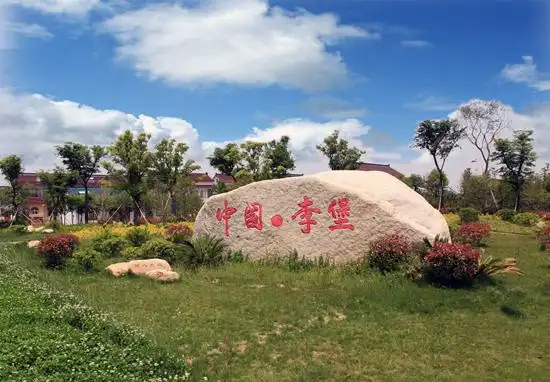 Libao's roots stretch back to the Tang Kaiyuan era (roughly the same period that Charlemagne was crowned Holy Roman Emperor), when it was founded as "Red Bank." By the Ming Dynasty's Jiajing period—the same era Portuguese traders first reached China's coast—the settlement was fortified as "Li Family Fort" to repel Japanese pirates. The Qing Dynasty elevated it to a regional trading hub in the Lixia River area, making it comparable in regional importance to market towns of the Holy Roman Empire that served as crossroads for merchants and soldiers alike.
The town's architectural heart was a cross-shaped street paved in bluestone during the Qianlong and Guangxu reigns (roughly contemporaneous with Mozart's Vienna). Once bustling with shops and tea houses, the street fell into disrepair after businesses migrated outward. Today visitors find cracked flagstones, overgrown walls, and quiet decay—a stark contrast to the polished restoration seen in better-known water towns like Zhouzhuang, but authentic in its rawness. The 1995-rebuilt Zhenhai Temple, originally founded in the Ming era, stands as the most intact cultural landmark, its incense still rising daily much as it would have in 15th-century Europe.
Libao's cultural identity rests on two pillars. The first is intangible culinary heritage: pungent fermented shrimp paste (maxiajiang), traditional sesame oil pressed from the Xue family's recipe, and handmade tofu sheets that echo peasant cooking traditions found across agrarian Asia. The second is the "Three Battles of Libao" of 1946, a defining engagement of the Chinese Civil War's early phase—comparable in local significance to the Battle of the Bulge for Americans or Stalingrad for Russians. Stone inscriptions and modest local memorials preserve this memory.
Reaching Libao requires planning: it lies 40–60 minutes by car from central Nantong or Haian city, with no direct tourist buses and sparse signage in English. Self-driving or hiring a car is essential; parking is available at Wanlong Plaza or near the old street. Entry is free year-round, though visitors should dress modestly and maintain silence inside Zhenhai Temple.
Spring and autumn offer the most comfortable weather for wandering the old lanes and contemplating the patina of ages. Travelers with extra time should pair Libao with the better-preserved Bendha Ancient Town in Rudong, which provides a complementary counterpoint—one town shows living heritage, the other shows heritage in gentle repose. Those seeking authentic, unvarnished rural China rather than a theme-park experience will find Libao genuinely rewarding.
Libao's roots stretch back to the Tang Kaiyuan era (roughly the same period that Charlemagne was crowned Holy Roman Emperor), when it was founded as "Red Bank." By the Ming Dynasty's Jiajing period—the same era Portuguese traders first reached China's coast—the settlement was fortified as "Li Family Fort" to repel Japanese pirates. The Qing Dynasty elevated it to a regional trading hub in the Lixia River area, making it comparable in regional importance to market towns of the Holy Roman Empire that served as crossroads for merchants and soldiers alike.
The town's architectural heart was a cross-shaped street paved in bluestone during the Qianlong and Guangxu reigns (roughly contemporaneous with Mozart's Vienna). Once bustling with shops and tea houses, the street fell into disrepair after businesses migrated outward. Today visitors find cracked flagstones, overgrown walls, and quiet decay—a stark contrast to the polished restoration seen in better-known water towns like Zhouzhuang, but authentic in its rawness. The 1995-rebuilt Zhenhai Temple, originally founded in the Ming era, stands as the most intact cultural landmark, its incense still rising daily much as it would have in 15th-century Europe.
Libao's cultural identity rests on two pillars. The first is intangible culinary heritage: pungent fermented shrimp paste (maxiajiang), traditional sesame oil pressed from the Xue family's recipe, and handmade tofu sheets that echo peasant cooking traditions found across agrarian Asia. The second is the "Three Battles of Libao" of 1946, a defining engagement of the Chinese Civil War's early phase—comparable in local significance to the Battle of the Bulge for Americans or Stalingrad for Russians. Stone inscriptions and modest local memorials preserve this memory.
Reaching Libao requires planning: it lies 40–60 minutes by car from central Nantong or Haian city, with no direct tourist buses and sparse signage in English. Self-driving or hiring a car is essential; parking is available at Wanlong Plaza or near the old street. Entry is free year-round, though visitors should dress modestly and maintain silence inside Zhenhai Temple.
Spring and autumn offer the most comfortable weather for wandering the old lanes and contemplating the patina of ages. Travelers with extra time should pair Libao with the better-preserved Bendha Ancient Town in Rudong, which provides a complementary counterpoint—one town shows living heritage, the other shows heritage in gentle repose. Those seeking authentic, unvarnished rural China rather than a theme-park experience will find Libao genuinely rewarding.