Suphan Dahan Grassland
⭐ 3.70
Suphan Dahan Grassland, Otog Front Banner, Ordos City, Inner Mongolia Autonomous Region, China
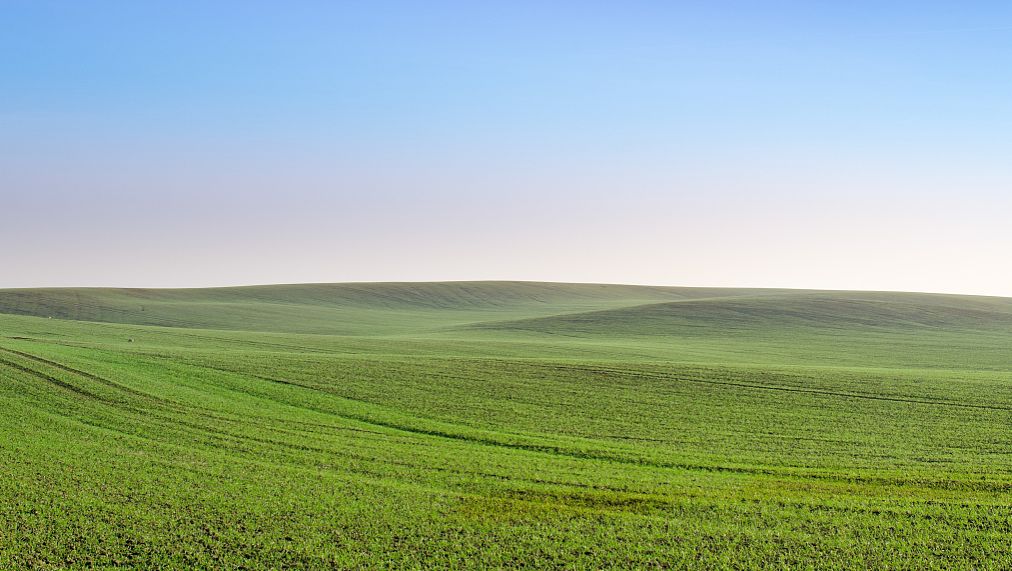 Supohan's name derives from Mongolian, and the area carries profound historical resonance. It served as the meeting ground where the seven banners (administrative divisions) of Ordos gathered for councils and tribal alliances—a tradition stretching back to the era of Genghis Khan and the Mongol Empire. This was where nomadic clans forged the political pacts that shaped steppe governance for centuries. Visitors today walk the same ground where herder-leaders once debated the fates of their peoples, an echo of medieval European assemblies such as the Frankish diets, but set against an incomparably vaster horizon.
The resort unfolds across five distinct zones. The central Huimeng Haote hub reimagines traditional Mongolian architecture with sweeping rooflines reminiscent of a ger (yurt) camp, while serving modern visitor needs. Beyond it, the Nomadic Tribe area reconstructs life as it was lived, with clusters of dozens of white gers dotting the plain. Wooden boardwalks wind through the Adong Valley wetlands, and a climb up Daolaodai Mountain rewards hikers with sweeping views of the rare grass-to-desert transition zone—a landscape comparable to the shifting margins of the Sahara, but on a far more intimate scale.
The cultural highlight is the spectacular "Ordos Wedding" performance, an immersive staging of an intangible cultural heritage tradition. Featuring hundreds of local herders alongside professional performers, it recreates the full ceremonial arc from the groom's procession and ritual toasting to the fire-worship rites, with thundering horses and lavish bridal robes. Daily shows run alongside the daytime "Passion of Supohan" welcome spectacle and evening bonfire parties, ensuring a full arc of festivities from morning gallops to late-night revelry.
Practical activities abound for every traveller. Adventurous visitors can thunder across the dunes on quad bikes, hurtle down sand slopes on sleds, or sway on the park's viral desert swings. Families with children have their own dedicated play camps, while those seeking slower pleasures can ride in a traditional lele cart—an ox-drawn wooden wagon once ubiquitous across the steppe, much like the covered wagons of the American frontier. The resort also offers genuine Mongolian cuisine buffets and overnight ger stays, many with skylights perfect for stargazing in some of China's clearest night skies.
Practicalities: tickets range from roughly ¥110 to ¥380, with combo passes covering transport and shows offering the best value. The nearest airport is Ordos, about 32 kilometres away, while the famed Genghis Khan Mausoleum lies just 20 minutes by car—well worth combining into a single itinerary. The prime season runs June through September, with August offering the lushest pastures and fullest event calendar. For Western travellers seeking a journey beyond the Great Wall and into the living heartland of the Mongol world, Supohan delivers an experience as culturally rich as a Sami gathering in northern Scandinavia, but with the theatrical scale of Central Asia.
Supohan's name derives from Mongolian, and the area carries profound historical resonance. It served as the meeting ground where the seven banners (administrative divisions) of Ordos gathered for councils and tribal alliances—a tradition stretching back to the era of Genghis Khan and the Mongol Empire. This was where nomadic clans forged the political pacts that shaped steppe governance for centuries. Visitors today walk the same ground where herder-leaders once debated the fates of their peoples, an echo of medieval European assemblies such as the Frankish diets, but set against an incomparably vaster horizon.
The resort unfolds across five distinct zones. The central Huimeng Haote hub reimagines traditional Mongolian architecture with sweeping rooflines reminiscent of a ger (yurt) camp, while serving modern visitor needs. Beyond it, the Nomadic Tribe area reconstructs life as it was lived, with clusters of dozens of white gers dotting the plain. Wooden boardwalks wind through the Adong Valley wetlands, and a climb up Daolaodai Mountain rewards hikers with sweeping views of the rare grass-to-desert transition zone—a landscape comparable to the shifting margins of the Sahara, but on a far more intimate scale.
The cultural highlight is the spectacular "Ordos Wedding" performance, an immersive staging of an intangible cultural heritage tradition. Featuring hundreds of local herders alongside professional performers, it recreates the full ceremonial arc from the groom's procession and ritual toasting to the fire-worship rites, with thundering horses and lavish bridal robes. Daily shows run alongside the daytime "Passion of Supohan" welcome spectacle and evening bonfire parties, ensuring a full arc of festivities from morning gallops to late-night revelry.
Practical activities abound for every traveller. Adventurous visitors can thunder across the dunes on quad bikes, hurtle down sand slopes on sleds, or sway on the park's viral desert swings. Families with children have their own dedicated play camps, while those seeking slower pleasures can ride in a traditional lele cart—an ox-drawn wooden wagon once ubiquitous across the steppe, much like the covered wagons of the American frontier. The resort also offers genuine Mongolian cuisine buffets and overnight ger stays, many with skylights perfect for stargazing in some of China's clearest night skies.
Practicalities: tickets range from roughly ¥110 to ¥380, with combo passes covering transport and shows offering the best value. The nearest airport is Ordos, about 32 kilometres away, while the famed Genghis Khan Mausoleum lies just 20 minutes by car—well worth combining into a single itinerary. The prime season runs June through September, with August offering the lushest pastures and fullest event calendar. For Western travellers seeking a journey beyond the Great Wall and into the living heartland of the Mongol world, Supohan delivers an experience as culturally rich as a Sami gathering in northern Scandinavia, but with the theatrical scale of Central Asia.