Amdo Grassland
⭐ 3.50
Amdo Grassland, Amdo County, Nagqu City, Tibet Autonomous Region, China
 Amdo Grassland lies within the historical heartland of northern Tibet, a region that once served as a vital waypoint along the ancient Tea-Horse Road connecting Yunnan and Sichuan with Lhasa and the wider Tibetan Plateau. Trade caravans laden with bricks of compressed tea, salt, and medicinal herbs crossed these seemingly endless plains for centuries, braving bandits, blizzards, and the thin, oxygen-starved air at altitudes higher than the summit of Mont Blanc. Today, the same routes are travelled by the Qinghai-Tibet Highway and the Qinghai-Tibet Railway, the latter being the highest railway in the world, which has made this once-inaccessible wilderness reachable for the intrepid traveller.
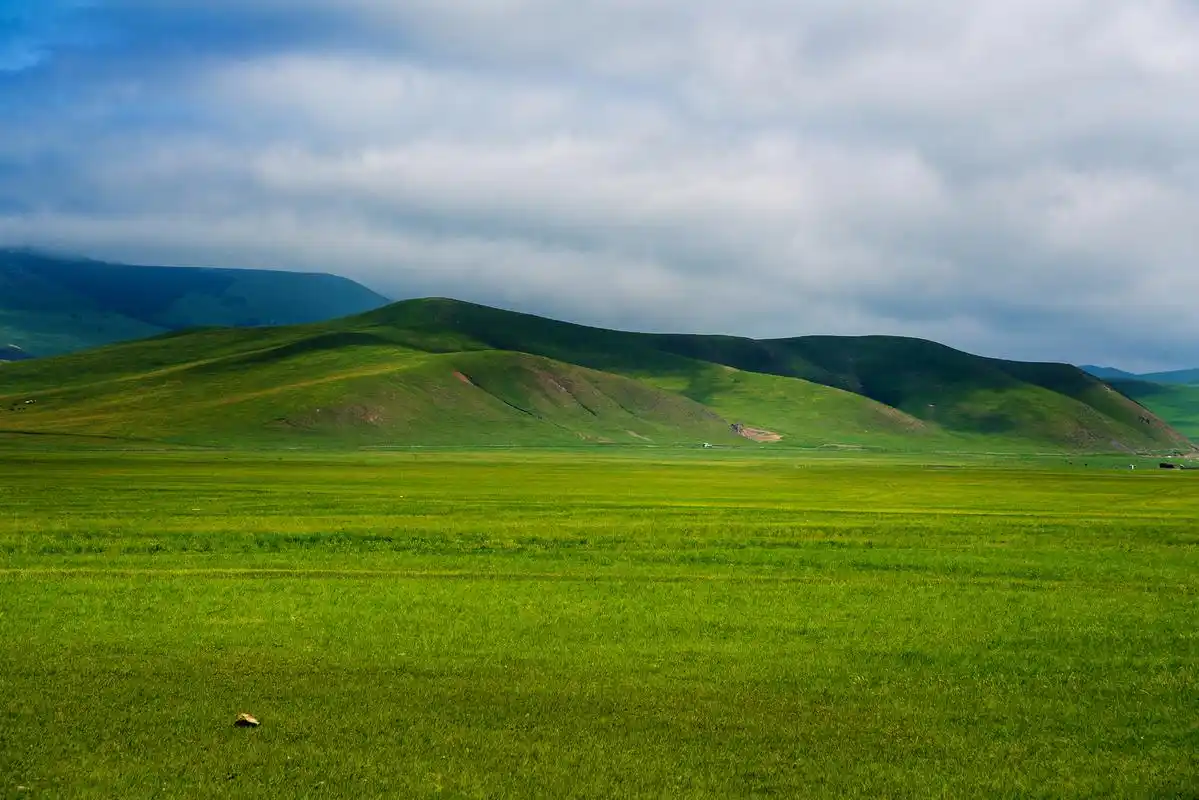
The landscape itself is one of sublime, almost lunar emptiness—imagine the Scottish Highlands stripped of their heather and lifted four kilometres into the sky. The terrain consists of broad, gently sloping meadows of cold-tolerant sedges and feather grasses, interspersed with sparkling alpine lakes, peat bogs, and braided river systems that drain the meltwater of the Tanggula snowfields. To the south, the dramatic white spires of the Nyainqêntanglha range form a permanent icy backdrop, while to the north, the land rises slowly toward the Kunlun and the Changtang Plateau.
Culturally, the grassland is home to nomadic Tibetan herders whose ancestors have grazed yaks, sheep, and horses across this harsh terrain for over a millennium. Their black yak-hair tents, butter tea, and reverence for local deities such as the mountain spirits keep ancient traditions vibrantly alive. Visitors should remember they are guests in a living cultural landscape, not a theme park: photographing herders or their animals requires permission and a warm smile.
Practicalities demand respect. The best travel window is June through September, when temperatures climb above freezing and wildflowers briefly paint the meadows. Even then, nights plummet well below zero. Altitude sickness is a serious concern—most travellers fly into Lhasa and spend at least three days acclimatising before continuing to Nagqu or Amdo Town. Warm layered clothing, UV protection, high-SPF sunscreen, and a reliable four-wheel-drive vehicle with an experienced local guide are essential. There are no luxury hotels here, only basic Tibetan guesthouses and, increasingly, a handful of tented eco-camps that offer the closest thing to sleeping beneath the Himalayan stars.
Why visit? Because Amdo Grassland is the kind of place that rewires your sense of scale. Stand anywhere on its open turf and you will see a horizon utterly unbroken by human construction, with perhaps a single caravan of yaks crossing kilometres away. Few places on the planet offer such a profound silence, such an untouched sky at night, and such a direct encounter with the fragile, fierce beauty of the world's highest plateau. For those willing to brave the altitude, Amdo delivers the rare privilege of feeling genuinely, breathtakingly small.
Amdo Grassland lies within the historical heartland of northern Tibet, a region that once served as a vital waypoint along the ancient Tea-Horse Road connecting Yunnan and Sichuan with Lhasa and the wider Tibetan Plateau. Trade caravans laden with bricks of compressed tea, salt, and medicinal herbs crossed these seemingly endless plains for centuries, braving bandits, blizzards, and the thin, oxygen-starved air at altitudes higher than the summit of Mont Blanc. Today, the same routes are travelled by the Qinghai-Tibet Highway and the Qinghai-Tibet Railway, the latter being the highest railway in the world, which has made this once-inaccessible wilderness reachable for the intrepid traveller.
The landscape itself is one of sublime, almost lunar emptiness—imagine the Scottish Highlands stripped of their heather and lifted four kilometres into the sky. The terrain consists of broad, gently sloping meadows of cold-tolerant sedges and feather grasses, interspersed with sparkling alpine lakes, peat bogs, and braided river systems that drain the meltwater of the Tanggula snowfields. To the south, the dramatic white spires of the Nyainqêntanglha range form a permanent icy backdrop, while to the north, the land rises slowly toward the Kunlun and the Changtang Plateau.
Culturally, the grassland is home to nomadic Tibetan herders whose ancestors have grazed yaks, sheep, and horses across this harsh terrain for over a millennium. Their black yak-hair tents, butter tea, and reverence for local deities such as the mountain spirits keep ancient traditions vibrantly alive. Visitors should remember they are guests in a living cultural landscape, not a theme park: photographing herders or their animals requires permission and a warm smile.
Practicalities demand respect. The best travel window is June through September, when temperatures climb above freezing and wildflowers briefly paint the meadows. Even then, nights plummet well below zero. Altitude sickness is a serious concern—most travellers fly into Lhasa and spend at least three days acclimatising before continuing to Nagqu or Amdo Town. Warm layered clothing, UV protection, high-SPF sunscreen, and a reliable four-wheel-drive vehicle with an experienced local guide are essential. There are no luxury hotels here, only basic Tibetan guesthouses and, increasingly, a handful of tented eco-camps that offer the closest thing to sleeping beneath the Himalayan stars.
Why visit? Because Amdo Grassland is the kind of place that rewires your sense of scale. Stand anywhere on its open turf and you will see a horizon utterly unbroken by human construction, with perhaps a single caravan of yaks crossing kilometres away. Few places on the planet offer such a profound silence, such an untouched sky at night, and such a direct encounter with the fragile, fierce beauty of the world's highest plateau. For those willing to brave the altitude, Amdo delivers the rare privilege of feeling genuinely, breathtakingly small.