Namtso Lake
⭐ 4.60
Namtso Lake, Bangoin County, Nagqu City, Tibet Autonomous Region, China
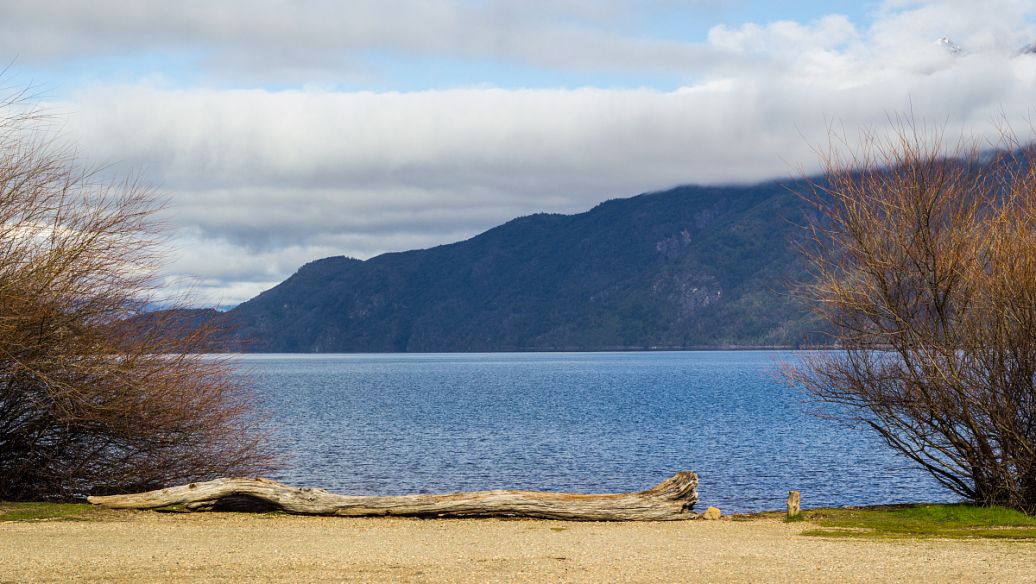 Straddling a spine of the Earth's crust at an altitude higher than the summit of Mont Blanc's nearby Alpine cousins, Namtso Lake occupies one of the highest great bodies of water on the planet. Its 1,920 square kilometers of mirror-still water rest in a basin formed by ancient tectonic uplift, the same forces that pushed the Himalayas skyward some 50 million years ago. Some 200 million years earlier, this region lay beneath a warm Tethys Sea, whose receding waters left behind the mineral salts that give the lake its faintly brackish character. Today, "Heavenly Lake"—its name in Tibetan—stands as China's third-largest saltwater body, trailing only Qinghai Lake and Chaka, and serves as a hydrological reserve for the high plateau.
The sacred geography of Namtso places it firmly within Asia's living tradition of pilgrimage sites, parallel in spiritual fervor to places such as Lourdes in France or the sacred rivers of Varanasi. For Tibetan Buddhists, the lake embodies the goddess of water, while its northern guardian, the 7,162-meter Nyainqêntanglha peak, personifies a fierce protective deity. Every Tibetan Sheep Year, which recurs every twelve years and next falls in 2027, devout pilgrims undertake a circumambulation of the entire shoreline—a journey of roughly 320 kilometers that ranks among the great devotional treks of the world. Countless smaller pilgrimages take place year-round, weaving the lake into a religious tapestry older than the modern Tibetan state itself.
Architecturally and visually, the lake offers a tableau of elemental contrasts reminiscent of the great Nordic fjords or Patagonia's glacier-fed Lago Argentino. Zhaxi Peninsula, the most accessible promontory, bristles with weathered limestone formations eroded into sculptures by wind and time, while prayer flags in crimson, saffron, green, white, and blue snap in the rarefied air, each color representing an element of nature. Across the water, the Nyainqêntanglha range rises in serried snowfields and granite bastions, its reflection broken into shifting bands of turquoise, cobalt, and indigo as the light moves through the day. Photographers traveling east from Lhasa consider the peninsula among the most rewarding wide-angle landscapes in Asia.
Visitors should plan carefully for the challenges of high-altitude travel. Foreign travelers must arrange a Tibet Entry Permit in advance through a licensed travel agency, along with an Alien Travel Permit if extending the journey elsewhere. At more than 4,700 meters above sea level, acclimatization is essential: spend two to three days in Lhasa first, drinking plenty of water and avoiding strenuous exertion. On the lake, mobile data coverage is patchy, multilingual guides are scarce, and cash remains king in the surrounding villages. Bringing altitude-medicine such as acetazolamide, layered clothing for sub-zero nights, sun protection for the thin air, and a sturdy pair of trekking shoes will make the difference between a struggle and a sublime experience.
The prime visiting season runs from May through October, with July and August offering the mildest temperatures around 10 to 15°C during the day—still requiring warm jackets for mornings and evenings. Day trips from Lhasa are common, though overnight stays at tented camps by the lakeshore offer something the day visitors miss entirely: the slow-coloring alpenglow on the snow peaks at dusk and a night sky pierced by stars, unpolluted by any artificial light for hundreds of kilometers. A second dawn misting over the water rewards early risers with one of the most memorable sunrises anywhere on the Roof of the World.
To journey here is to step into a landscape that has stirred awe since before history was written. Few places on Earth still combine such raw physical grandeur with such a deeply rooted living faith. Namtso offers the rare traveler something precious in our crowded age: silence, scale, and the clear reminder that some corners of the planet remain wonderfully, humblingly untouched.
Straddling a spine of the Earth's crust at an altitude higher than the summit of Mont Blanc's nearby Alpine cousins, Namtso Lake occupies one of the highest great bodies of water on the planet. Its 1,920 square kilometers of mirror-still water rest in a basin formed by ancient tectonic uplift, the same forces that pushed the Himalayas skyward some 50 million years ago. Some 200 million years earlier, this region lay beneath a warm Tethys Sea, whose receding waters left behind the mineral salts that give the lake its faintly brackish character. Today, "Heavenly Lake"—its name in Tibetan—stands as China's third-largest saltwater body, trailing only Qinghai Lake and Chaka, and serves as a hydrological reserve for the high plateau.
The sacred geography of Namtso places it firmly within Asia's living tradition of pilgrimage sites, parallel in spiritual fervor to places such as Lourdes in France or the sacred rivers of Varanasi. For Tibetan Buddhists, the lake embodies the goddess of water, while its northern guardian, the 7,162-meter Nyainqêntanglha peak, personifies a fierce protective deity. Every Tibetan Sheep Year, which recurs every twelve years and next falls in 2027, devout pilgrims undertake a circumambulation of the entire shoreline—a journey of roughly 320 kilometers that ranks among the great devotional treks of the world. Countless smaller pilgrimages take place year-round, weaving the lake into a religious tapestry older than the modern Tibetan state itself.
Architecturally and visually, the lake offers a tableau of elemental contrasts reminiscent of the great Nordic fjords or Patagonia's glacier-fed Lago Argentino. Zhaxi Peninsula, the most accessible promontory, bristles with weathered limestone formations eroded into sculptures by wind and time, while prayer flags in crimson, saffron, green, white, and blue snap in the rarefied air, each color representing an element of nature. Across the water, the Nyainqêntanglha range rises in serried snowfields and granite bastions, its reflection broken into shifting bands of turquoise, cobalt, and indigo as the light moves through the day. Photographers traveling east from Lhasa consider the peninsula among the most rewarding wide-angle landscapes in Asia.
Visitors should plan carefully for the challenges of high-altitude travel. Foreign travelers must arrange a Tibet Entry Permit in advance through a licensed travel agency, along with an Alien Travel Permit if extending the journey elsewhere. At more than 4,700 meters above sea level, acclimatization is essential: spend two to three days in Lhasa first, drinking plenty of water and avoiding strenuous exertion. On the lake, mobile data coverage is patchy, multilingual guides are scarce, and cash remains king in the surrounding villages. Bringing altitude-medicine such as acetazolamide, layered clothing for sub-zero nights, sun protection for the thin air, and a sturdy pair of trekking shoes will make the difference between a struggle and a sublime experience.
The prime visiting season runs from May through October, with July and August offering the mildest temperatures around 10 to 15°C during the day—still requiring warm jackets for mornings and evenings. Day trips from Lhasa are common, though overnight stays at tented camps by the lakeshore offer something the day visitors miss entirely: the slow-coloring alpenglow on the snow peaks at dusk and a night sky pierced by stars, unpolluted by any artificial light for hundreds of kilometers. A second dawn misting over the water rewards early risers with one of the most memorable sunrises anywhere on the Roof of the World.
To journey here is to step into a landscape that has stirred awe since before history was written. Few places on Earth still combine such raw physical grandeur with such a deeply rooted living faith. Namtso offers the rare traveler something precious in our crowded age: silence, scale, and the clear reminder that some corners of the planet remain wonderfully, humblingly untouched.