Penglai Pavilion
⭐ 4.60
Penglai Pavilion Scenic Area, Penglai Pavilion Street, Penglai District, Yantai City, Shandong Province, China
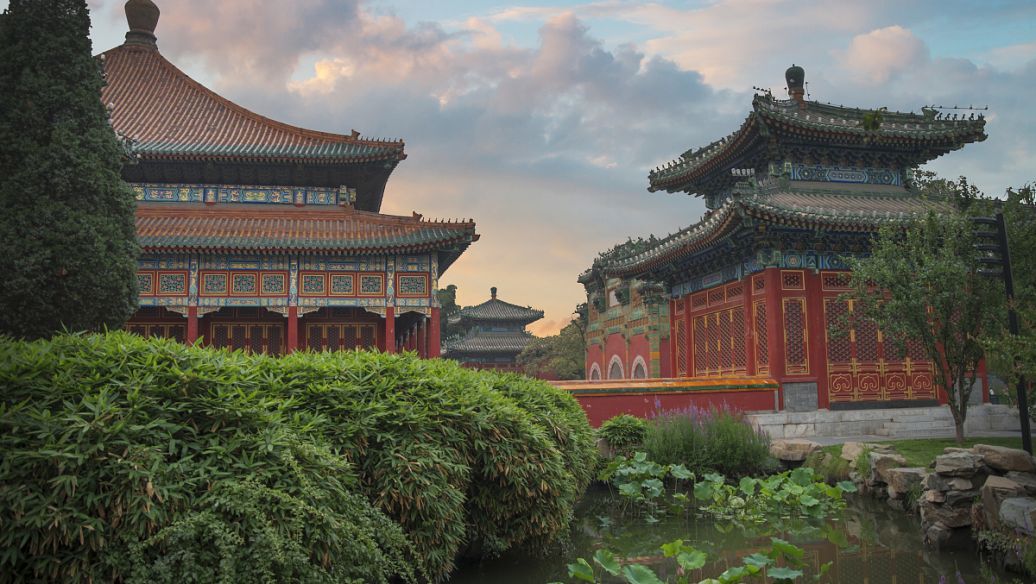 Penglai Pavilion was first raised during the Northern Song dynasty in 1056, making it nearly a millennium old—roughly contemporary with the Tower of London begun by William the Conqueror. It shares its hallowed status among China's "Four Great Towers" with the Yueyang Tower, the Tengwang Pavilion, and the Yellow Crane Tower, all celebrated for their literary associations. Beyond poetry, the site served as a strategic node on the ancient Maritime Silk Road, where Qin dynasty emperors dispatched court alchemists and the explorer Xu Fu on quests for the elixir of immortality, adding layers of legend to an already storied past.
The architectural ensemble crowns Danya Mountain's crimson cliffs in a manner reminiscent of Italian clifftop abbeys such as Monte Cassino. More than a dozen halls and pavilions cascade down the slope, fusing official Ming-Qing craftsmanship with regional Shandong vernacular style. Sweeping eaves, carved beams, and lacquered pillars distinguish the main pavilion alongside the Sanqing Hall, Lüzu Hall, Tianhou Temple dedicated to Mazu (the Chinese patroness of seafarers, akin to the Mediterranean veneration of St. Nicholas), and the Dragon King Palace. The complex feels less a single monument than an entire acropolis carved into the rock.
This is hallowed ground for both myth and history. The Eight Immortals' legendary crossing of the sea, immortalized in centuries of Chinese painting, supposedly departs from these very waters, while the area remains China's most celebrated stage for the mirage phenomenon—those shimmering phantom cities long mistaken for gates to paradise. Steles and inscribed poems record visits by emperors and literati, while the Qi Jiguang Memorial Hall honors the brilliant Ming commander who trained the famed "Qi Family Army" against wokou pirates. The Maritime Silk Road Museum completes the picture with the preserved hull of a Yuan dynasty trading vessel.
Adult admission runs 100 yuan, with half-price (50 yuan) tickets for visitors aged 6 to 18 and university students carrying valid ID. Children under 6 and seniors over 60 enter free. During peak season, May through October, gates open from 8:00 a.m. to 6:00 p.m., with the last ticket sold at 5:00 p.m. Complimentary Mandarin-language guided tours depart on the hour and half-hour. Plan on two to three hours for the core complex; museum enthusiasts should allow closer to four hours to absorb the pavilions, shipwreck exhibits, and cliff-top promenades at a leisurely pace.
Arrive between 9 and 10 a.m. for the gentlest light and to dodge both the midday glare and the busiest tour groups. The recommended ascent begins at the Zhenyang Gate, threading upward through the Pinglang Palace—a route that conserves energy while linking all the principal halls. Wear sturdy non-slip shoes: the sea-facing stone steps are often slick and buffeted by stiff breezes. In August, pack sunscreen, sunglasses, and a light jacket. Keep expectations realistic regarding mirages, which are genuinely rare. An optional cable car is available for those wishing to conserve their stamina.
Penglai Pavilion was first raised during the Northern Song dynasty in 1056, making it nearly a millennium old—roughly contemporary with the Tower of London begun by William the Conqueror. It shares its hallowed status among China's "Four Great Towers" with the Yueyang Tower, the Tengwang Pavilion, and the Yellow Crane Tower, all celebrated for their literary associations. Beyond poetry, the site served as a strategic node on the ancient Maritime Silk Road, where Qin dynasty emperors dispatched court alchemists and the explorer Xu Fu on quests for the elixir of immortality, adding layers of legend to an already storied past.
The architectural ensemble crowns Danya Mountain's crimson cliffs in a manner reminiscent of Italian clifftop abbeys such as Monte Cassino. More than a dozen halls and pavilions cascade down the slope, fusing official Ming-Qing craftsmanship with regional Shandong vernacular style. Sweeping eaves, carved beams, and lacquered pillars distinguish the main pavilion alongside the Sanqing Hall, Lüzu Hall, Tianhou Temple dedicated to Mazu (the Chinese patroness of seafarers, akin to the Mediterranean veneration of St. Nicholas), and the Dragon King Palace. The complex feels less a single monument than an entire acropolis carved into the rock.
This is hallowed ground for both myth and history. The Eight Immortals' legendary crossing of the sea, immortalized in centuries of Chinese painting, supposedly departs from these very waters, while the area remains China's most celebrated stage for the mirage phenomenon—those shimmering phantom cities long mistaken for gates to paradise. Steles and inscribed poems record visits by emperors and literati, while the Qi Jiguang Memorial Hall honors the brilliant Ming commander who trained the famed "Qi Family Army" against wokou pirates. The Maritime Silk Road Museum completes the picture with the preserved hull of a Yuan dynasty trading vessel.
Adult admission runs 100 yuan, with half-price (50 yuan) tickets for visitors aged 6 to 18 and university students carrying valid ID. Children under 6 and seniors over 60 enter free. During peak season, May through October, gates open from 8:00 a.m. to 6:00 p.m., with the last ticket sold at 5:00 p.m. Complimentary Mandarin-language guided tours depart on the hour and half-hour. Plan on two to three hours for the core complex; museum enthusiasts should allow closer to four hours to absorb the pavilions, shipwreck exhibits, and cliff-top promenades at a leisurely pace.
Arrive between 9 and 10 a.m. for the gentlest light and to dodge both the midday glare and the busiest tour groups. The recommended ascent begins at the Zhenyang Gate, threading upward through the Pinglang Palace—a route that conserves energy while linking all the principal halls. Wear sturdy non-slip shoes: the sea-facing stone steps are often slick and buffeted by stiff breezes. In August, pack sunscreen, sunglasses, and a light jacket. Keep expectations realistic regarding mirages, which are genuinely rare. An optional cable car is available for those wishing to conserve their stamina.