Daqikong Scenic Area
⭐ 4.60
Daqikong Scenic Area, Daqikong Town, Libo County, Qiannan Prefecture, Guizhou Province, China
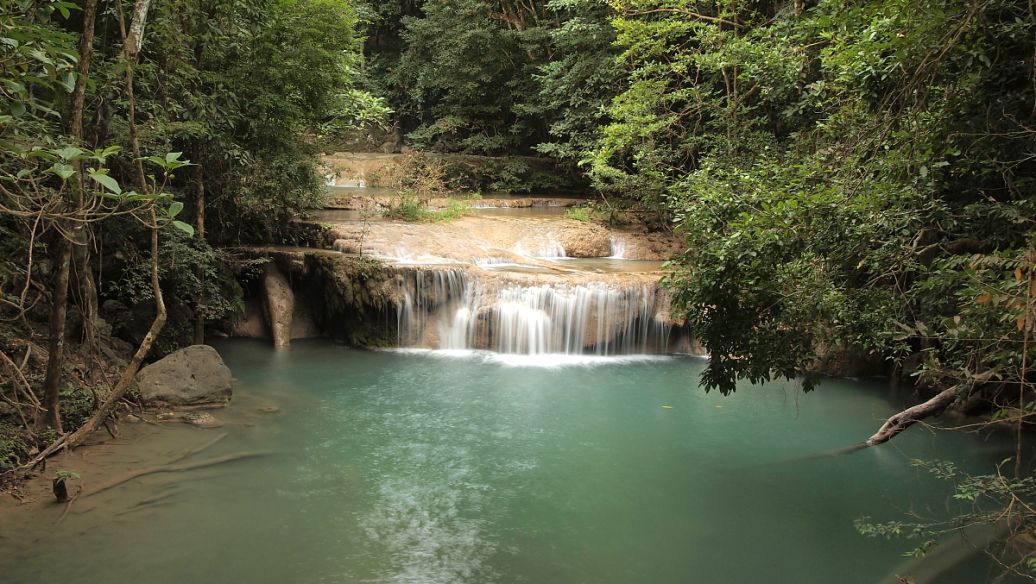 Daqikong lies in a transition zone between the Guizhou Highlands and Guangxi’s hills, in the heart of southwest China’s karst country. Its limestone accumulated in Paleozoic seas hundreds of millions of years ago—long before the civilizations that built Europe’s cathedrals—then was lifted, fractured, and sculpted by water into a deep gorge, caves, pools, and a natural arch. As part of South China Karst, it entered UNESCO’s World Heritage List in 2007. For geologists and curious travelers alike, it offers a vivid record of how soluble rock can shape entire landscapes.
The star is the 73-meter-high, 22-meter-wide natural bridge, a single span of rock formed as rainwater dissolved limestone over immense spans of time. Its monumental profile has earned it the nickname “Oriental Arc de Triomphe,” though the resemblance is poetic rather than architectural: Paris’s arch is a precisely engineered memorial, while this one was never cut or assembled by human hands. Its scale recalls the Pantheon’s sense of grandeur, yet here the drama comes from untamed rock rather than ordered masonry. Beneath it, clear green water and dark cliffs create a spectacular mirror for photographers, especially in soft morning or late-afternoon light.
A stepped trail descends from the entrance into the celebrated “Haunted Gorge,” where walls rise sheer on both sides and, at the tightest point, leave barely enough room for one person to pass. Look up and the sky narrows to a blade of blue. The path continues past Yaofeng Cave and Diegong Palace, two differently shaped karst chambers, while cool underground water runs through the ravine bottom. The combination of echoing wind, slick? not in source, keep echoing wind. "The combination of echoing wind, slick stone, and enclosed darkness adds mild adventure, but the route is more awe-inspiring than genuinely threatening." Fine.
P4 83.
P5 113. Total 480-ish, okay.
No meta. Good.
Wait developer says "No meta language." Formatting itself prescribed. Fine.
No citations.
Let's final.</mm:think>[BRIEF]
Daqikong, part of Libo’s Zhangjiang National Scenic Area in Guizhou, offers a rugged counterpoint to Xiaoqikong’s graceful bridges and pools. Its centerpiece is a colossal natural limestone arch, 73 meters high and 22 meters wide, often called the “Oriental Arc de Triomphe.” Deep ravines, caves, and clear underground rivers create a wilder atmosphere reminiscent of Europe’s limestone canyons. Admission is free; a one-way boat costs 20 yuan and a return 40 yuan, or visitors can hike the route. Allow 1.5–2 hours, and pair it with nearby Xiaoqikong for a relaxed half-day of striking contrasts.
[DETAILED]
Daqikong lies in a transition zone between the Guizhou Highlands and Guangxi’s hills, in the heart of southwest China’s karst country. Its limestone accumulated in Paleozoic seas hundreds of millions of years ago—long before the civilizations that built Europe’s cathedrals—then was lifted, fractured, and sculpted by water into a deep gorge, caves, pools, and a natural arch. As part of South China Karst, it entered UNESCO’s World Heritage List in 2007. For geologists and curious travelers alike, it offers a vivid record of how soluble rock can shape entire landscapes.
The star is the 73-meter-high, 22-meter-wide natural bridge, a single span of rock formed as rainwater dissolved limestone over immense spans of time. Its monumental profile has earned it the nickname “Oriental Arc de Triomphe,” though the resemblance is poetic rather than architectural: Paris’s arch is a precisely engineered memorial, while this one was never cut or assembled by human hands. Its scale recalls the Pantheon’s sense of grandeur, yet here the drama comes from untamed rock rather than ordered masonry. Beneath it, clear green water and dark cliffs create a spectacular mirror for photographers, especially in soft morning or late-afternoon light.
A stepped trail descends from the entrance into the celebrated “Haunted Gorge,” where walls rise sheer on both sides and, at the tightest point, leave barely enough room for one person to pass. Look up and the sky narrows to a blade of blue. The path continues past Yaofeng Cave and Diegong Palace, two differently shaped karst chambers, while cool underground water runs through the ravine bottom. The combination of echoing wind, slick stone, and enclosed darkness adds mild adventure, but the route is more awe-inspiring than genuinely threatening.
Daqikong sits in Qiannan Buyei and Miao Autonomous Prefecture, a region shaped by generations of Buyi and Miao communities. Caves, springs, forests, and mountain paths are woven into local knowledge and seasonal life, so this landscape is more than a scenic backdrop. Karst terrain has also influenced settlement and movement: it supplies water and fertile pockets, while steep walls and seasonal floods can isolate communities. Traveling respectfully allows visitors to appreciate both the scenery and the cultures that call this dramatic terrain home.
Allow 1.5–2 hours here, or hike the route in about 1.5 hours and skip the boat. Admission is free; listed boat fares are 20 yuan one way and 40 yuan round trip. The site is open 8:00 a - 4:30, with last entry at 4:00. It lies 3 km from Xiaoqikong and 25 km from Libo county; visit Xiaoqikong in the morning and Daqikong in the afternoon. Wear non-slip shoes and bring sun and mosquito protection. Overseas visitors should bring their original passport. Check storm warnings, avoid the water for 1–2 days after heavy rain, and do not shout in the gorge because of falling-rock risk. Cards, mobile payments, and cash are accepted.
Daqikong lies in a transition zone between the Guizhou Highlands and Guangxi’s hills, in the heart of southwest China’s karst country. Its limestone accumulated in Paleozoic seas hundreds of millions of years ago—long before the civilizations that built Europe’s cathedrals—then was lifted, fractured, and sculpted by water into a deep gorge, caves, pools, and a natural arch. As part of South China Karst, it entered UNESCO’s World Heritage List in 2007. For geologists and curious travelers alike, it offers a vivid record of how soluble rock can shape entire landscapes.
The star is the 73-meter-high, 22-meter-wide natural bridge, a single span of rock formed as rainwater dissolved limestone over immense spans of time. Its monumental profile has earned it the nickname “Oriental Arc de Triomphe,” though the resemblance is poetic rather than architectural: Paris’s arch is a precisely engineered memorial, while this one was never cut or assembled by human hands. Its scale recalls the Pantheon’s sense of grandeur, yet here the drama comes from untamed rock rather than ordered masonry. Beneath it, clear green water and dark cliffs create a spectacular mirror for photographers, especially in soft morning or late-afternoon light.
A stepped trail descends from the entrance into the celebrated “Haunted Gorge,” where walls rise sheer on both sides and, at the tightest point, leave barely enough room for one person to pass. Look up and the sky narrows to a blade of blue. The path continues past Yaofeng Cave and Diegong Palace, two differently shaped karst chambers, while cool underground water runs through the ravine bottom. The combination of echoing wind, slick? not in source, keep echoing wind. "The combination of echoing wind, slick stone, and enclosed darkness adds mild adventure, but the route is more awe-inspiring than genuinely threatening." Fine.
P4 83.
P5 113. Total 480-ish, okay.
No meta. Good.
Wait developer says "No meta language." Formatting itself prescribed. Fine.
No citations.
Let's final.</mm:think>[BRIEF]
Daqikong, part of Libo’s Zhangjiang National Scenic Area in Guizhou, offers a rugged counterpoint to Xiaoqikong’s graceful bridges and pools. Its centerpiece is a colossal natural limestone arch, 73 meters high and 22 meters wide, often called the “Oriental Arc de Triomphe.” Deep ravines, caves, and clear underground rivers create a wilder atmosphere reminiscent of Europe’s limestone canyons. Admission is free; a one-way boat costs 20 yuan and a return 40 yuan, or visitors can hike the route. Allow 1.5–2 hours, and pair it with nearby Xiaoqikong for a relaxed half-day of striking contrasts.
[DETAILED]
Daqikong lies in a transition zone between the Guizhou Highlands and Guangxi’s hills, in the heart of southwest China’s karst country. Its limestone accumulated in Paleozoic seas hundreds of millions of years ago—long before the civilizations that built Europe’s cathedrals—then was lifted, fractured, and sculpted by water into a deep gorge, caves, pools, and a natural arch. As part of South China Karst, it entered UNESCO’s World Heritage List in 2007. For geologists and curious travelers alike, it offers a vivid record of how soluble rock can shape entire landscapes.
The star is the 73-meter-high, 22-meter-wide natural bridge, a single span of rock formed as rainwater dissolved limestone over immense spans of time. Its monumental profile has earned it the nickname “Oriental Arc de Triomphe,” though the resemblance is poetic rather than architectural: Paris’s arch is a precisely engineered memorial, while this one was never cut or assembled by human hands. Its scale recalls the Pantheon’s sense of grandeur, yet here the drama comes from untamed rock rather than ordered masonry. Beneath it, clear green water and dark cliffs create a spectacular mirror for photographers, especially in soft morning or late-afternoon light.
A stepped trail descends from the entrance into the celebrated “Haunted Gorge,” where walls rise sheer on both sides and, at the tightest point, leave barely enough room for one person to pass. Look up and the sky narrows to a blade of blue. The path continues past Yaofeng Cave and Diegong Palace, two differently shaped karst chambers, while cool underground water runs through the ravine bottom. The combination of echoing wind, slick stone, and enclosed darkness adds mild adventure, but the route is more awe-inspiring than genuinely threatening.
Daqikong sits in Qiannan Buyei and Miao Autonomous Prefecture, a region shaped by generations of Buyi and Miao communities. Caves, springs, forests, and mountain paths are woven into local knowledge and seasonal life, so this landscape is more than a scenic backdrop. Karst terrain has also influenced settlement and movement: it supplies water and fertile pockets, while steep walls and seasonal floods can isolate communities. Traveling respectfully allows visitors to appreciate both the scenery and the cultures that call this dramatic terrain home.
Allow 1.5–2 hours here, or hike the route in about 1.5 hours and skip the boat. Admission is free; listed boat fares are 20 yuan one way and 40 yuan round trip. The site is open 8:00 a - 4:30, with last entry at 4:00. It lies 3 km from Xiaoqikong and 25 km from Libo county; visit Xiaoqikong in the morning and Daqikong in the afternoon. Wear non-slip shoes and bring sun and mosquito protection. Overseas visitors should bring their original passport. Check storm warnings, avoid the water for 1–2 days after heavy rain, and do not shout in the gorge because of falling-rock risk. Cards, mobile payments, and cash are accepted.