Yaoshan Market
⭐ 4.00
Yaoshan Yao Ethnic Township, Libo County, Qiannan Autonomous Prefecture, Guizhou Province, China
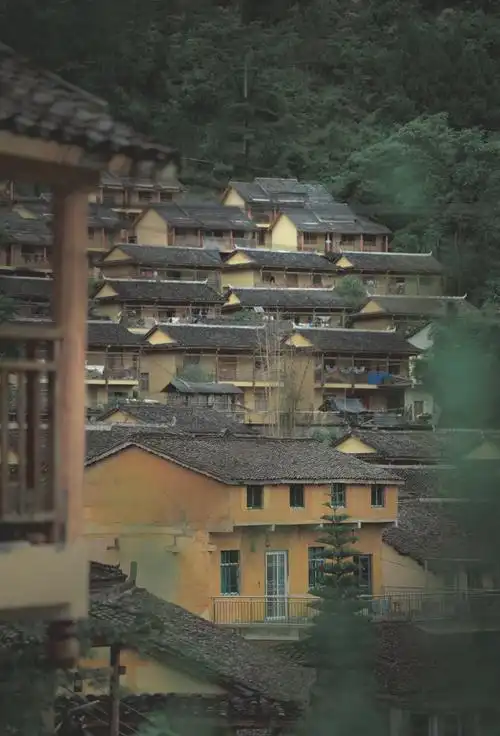 Yaoshan village sits deep within the karst highlands of southern Guizhou, a region often likened to a Chinese counterpart of Slovenia's Škocjan Caves area for its dramatic limestone peaks and hidden valleys. The White Pants Yao have inhabited these mountains for centuries, maintaining one of the world's most complete repositories of pre-modern tribal life. Like the remote Sardinian villages of the Supramonte region or the Scottish Highland clans that preserved Gaelic traditions against the odds, the Yao have kept their migration epics, animist beliefs, and agrarian customs largely intact, earning UNESCO recognition as a model of living cultural heritage.
The village's stilted wooden houses evoke a primordial version of Alpine architecture, with stone-and-timber frames climbing the hillsides in tiered rows. Local homes share structural DNA with Swiss mountain barns, featuring raised ground floors once used to shelter livestock and store grain, while the upper levels serve as living quarters. Slate tiles or thatched roofs crown the dwellings, and flagstone paths connect them in an organic maze that follows the contours of the karst topography. This layout, untouched by modern planning, preserves a settlement pattern essentially unchanged for generations.
Cultural travelers will find parallels between the Yao's preservation efforts and Europe's own folk revival movements, from Ireland's sean-nós singing traditions to Romania's Maramureș woodcraft. White Pants Yao women's embroidered garments encode the tribe's epic migration story, a textile language as layered as medieval European tapestries. The bronze drums and long-drum dances have been designated national intangible cultural heritage, while ceremonies like the spinning-top festival and funerary rites reveal an unbroken spiritual lineage. The market itself functions as both economic hub and ceremonial stage where these traditions perform themselves.
Yaoshan Market lies about 32 kilometers from Libo County town, along winding mountain roads that demand careful driving—think Alpine passes in miniature. Public buses run infrequently, so renting a car or hiring a driver from Libo is strongly recommended. There are no international hotel chains or food delivery services here; accommodation consists of family-run guesthouses offering home-cooked meals of mountain vegetables and freshwater fish, or visitors can return to Libo for more familiar options. Travelers should consult the lunar calendar before visiting, as the market only opens on specific zodiac days.
Arrive at dawn to catch the magical interplay of mist curling over slate rooftops, then explore the village's labyrinthine lanes as the day warms. Wear sturdy, non-slip footwear—the stone paths can be treacherous after rain—and pack mosquito repellent plus a light jacket for cool mountain evenings. When photographing residents, always ask permission first; respectful engagement will be richly rewarded with smiles and perhaps an invitation to watch women at their looms. For travelers who have already ticked off China's great icons—the Great Wall, the Forbidden City—Yaoshan offers something rarer: an encounter with a living culture that time forgot to change.
Yaoshan village sits deep within the karst highlands of southern Guizhou, a region often likened to a Chinese counterpart of Slovenia's Škocjan Caves area for its dramatic limestone peaks and hidden valleys. The White Pants Yao have inhabited these mountains for centuries, maintaining one of the world's most complete repositories of pre-modern tribal life. Like the remote Sardinian villages of the Supramonte region or the Scottish Highland clans that preserved Gaelic traditions against the odds, the Yao have kept their migration epics, animist beliefs, and agrarian customs largely intact, earning UNESCO recognition as a model of living cultural heritage.
The village's stilted wooden houses evoke a primordial version of Alpine architecture, with stone-and-timber frames climbing the hillsides in tiered rows. Local homes share structural DNA with Swiss mountain barns, featuring raised ground floors once used to shelter livestock and store grain, while the upper levels serve as living quarters. Slate tiles or thatched roofs crown the dwellings, and flagstone paths connect them in an organic maze that follows the contours of the karst topography. This layout, untouched by modern planning, preserves a settlement pattern essentially unchanged for generations.
Cultural travelers will find parallels between the Yao's preservation efforts and Europe's own folk revival movements, from Ireland's sean-nós singing traditions to Romania's Maramureș woodcraft. White Pants Yao women's embroidered garments encode the tribe's epic migration story, a textile language as layered as medieval European tapestries. The bronze drums and long-drum dances have been designated national intangible cultural heritage, while ceremonies like the spinning-top festival and funerary rites reveal an unbroken spiritual lineage. The market itself functions as both economic hub and ceremonial stage where these traditions perform themselves.
Yaoshan Market lies about 32 kilometers from Libo County town, along winding mountain roads that demand careful driving—think Alpine passes in miniature. Public buses run infrequently, so renting a car or hiring a driver from Libo is strongly recommended. There are no international hotel chains or food delivery services here; accommodation consists of family-run guesthouses offering home-cooked meals of mountain vegetables and freshwater fish, or visitors can return to Libo for more familiar options. Travelers should consult the lunar calendar before visiting, as the market only opens on specific zodiac days.
Arrive at dawn to catch the magical interplay of mist curling over slate rooftops, then explore the village's labyrinthine lanes as the day warms. Wear sturdy, non-slip footwear—the stone paths can be treacherous after rain—and pack mosquito repellent plus a light jacket for cool mountain evenings. When photographing residents, always ask permission first; respectful engagement will be richly rewarded with smiles and perhaps an invitation to watch women at their looms. For travelers who have already ticked off China's great icons—the Great Wall, the Forbidden City—Yaoshan offers something rarer: an encounter with a living culture that time forgot to change.