Suzhou Museum

⭐ 4.80

No. 388, Dongbei Street, Gusu District, Suzhou, Jiangsu, China
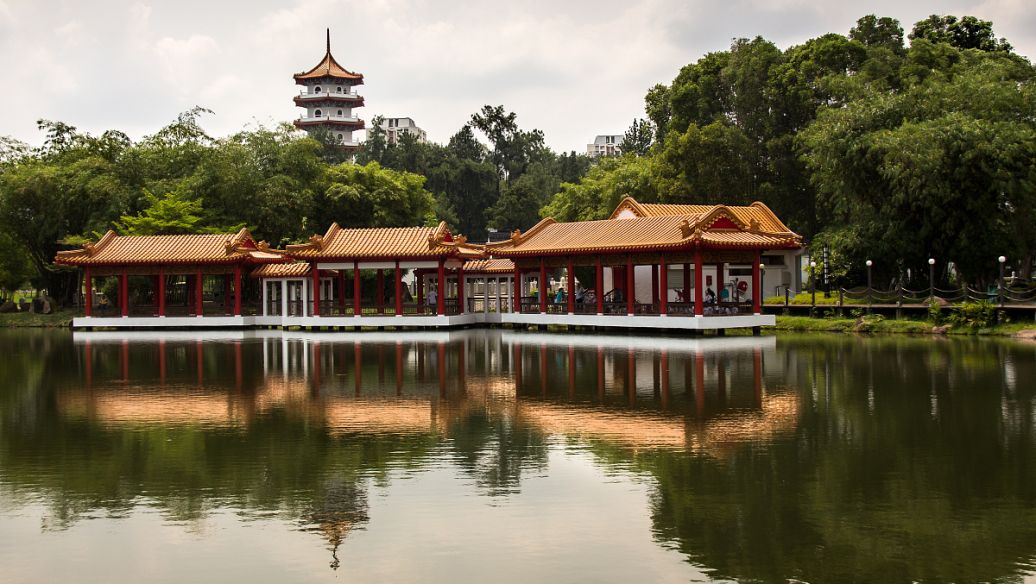
Suzhou Museum
The Suzhou Museum's new wing, completed in 2006, achieves something rare: a seamless conversation with its 19th-century predecessor, the Zhong Wang Mansion, originally built during the Taiping Rebellion (1850-1864). While European capitals preserve their historic buildings behind glass, here I.M. Pei—the Chinese-American architect behind the Louvre Pyramid and the Kennedy Library—wove contemporary geometry directly into a living historical site. The resulting complex offers a layered timeline, from Neolithic pottery to Qing dynasty scrolls, making it one of China's most authoritative windows into Wu culture. Pei's design philosophy, "Chinese yet new, Suzhou yet new," reimagines traditional Jiangnan architecture through modernist lenses. The signature rockery in the central courtyard transforms the classical garden aesthetic into an abstract painting—stone becoming brushstroke, wall becoming canvas. Glass skylights and angled corridors choreograph shifting light throughout the day, earning the building its nickname as a "living ink-wash painting." Like a Frank Lloyd Wright Prairie house, the architecture itself is meant to be inhabited, not merely observed. The collection spans ceramics, jade, calligraphy, and lacquerware, with three pieces designated as national treasures prohibited from traveling abroad: a luminous Pearl Sarira Stupa from the Northern Song dynasty, a celadon lotus bowl whose "secret-color" glaze has been replicated by only a handful of potters, and an intricately painted wooden reliquary case. A wisteria arbor in the inner courtyard descends from a vine planted by the Ming dynasty painter Wen Zhengming himself, linking living tradition to artistic legacy. The museum sits at 204 Dongbei Street in the historic Gusu district, a five-minute walk from the celebrated Humble Administrator's Garden and Lion Grove Garden—ideal for combining visits in a single day. Admission is free, but reservations must be made seven days ahead via the official WeChat mini-program, with new tickets released at 8:00 AM. The museum closes on Mondays. Plan for 1.5 to 2.5 hours; Chinese and English audio guides are available, along with guided tours by appointment. Visitors should enter through the main hall, then move counterclockwise through the west wing (treasures and highlights), into the central courtyard for the rockery photograph, and finish with the east wing's calligraphy galleries before exiting through the historic mansion. Flash photography and tripods are prohibited, and no food or colored beverages are permitted inside. For the magical interplay of light and shadow Pei designed, arrive at opening on a sunny morning—though rain transforms the stone walls and reflecting pools into an atmospheric, mist-drenched Jiangnan dreamscape worth experiencing in its own right.

Traveler reviews

Hours: Tuesday to Sunday 9:00–17:00 (last entry at 16:00), ...
⭐ 5 · Alex Expand
The collection covers ancient calligraphy and paintings, porcelain, jade, bronze, scholar's desk items,...
⭐ 5 · Dakota Expand