Duan Inkstone Museum
⭐ 4.20
No. 1, Yandu Road, Huanggang Subdistrict, Duanzhou District, Zhaoqing City, Guangdong Province, China
 Inkstones, used for grinding solid ink sticks with water to produce liquid ink, have been central to Chinese calligraphy and painting since the Tang Dynasty (618–907 CE) — a comparable role to the quill pen and inkwell in medieval European scriptoria, where monks labored over illuminated manuscripts. Zhaoqing, the sole source of Duan stone, rose to prominence during the Song Dynasty (960–1279 CE), a golden age that parallels the Italian Renaissance in its reverence for refined craftsmanship. Today, Duan inkstone carving is recognized as a National Intangible Cultural Heritage of China, ensuring these ancient traditions endure into the modern era.
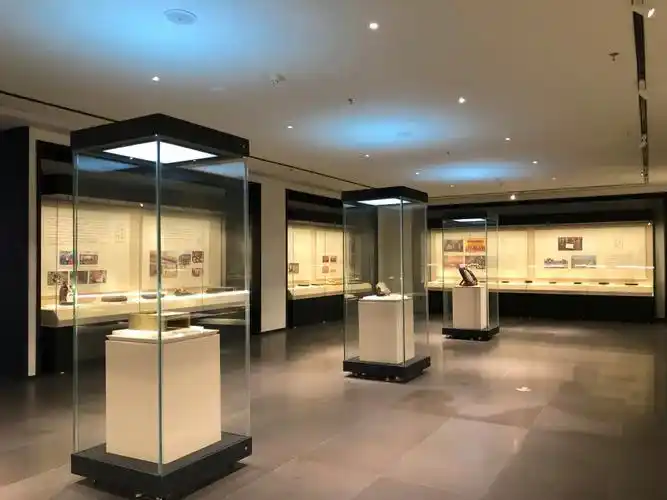
Opened on September 29, 2020, the museum spans approximately 4,350 square meters across two airy floors, organized into eight themed zones that trace the inkstone's evolution from Neolithic grinding slabs to contemporary masterpieces. The exhibition design combines dramatic spot lighting, immersive multimedia projections, and elegantly illuminated display cases, creating atmospheric depth reminiscent of London's V&A or Paris's Guimet Museum. Climate-controlled interiors keep summer visitors comfortable, while dedicated touch zones invite guests to feel the famously jade-like smoothness that has captivated scholars for centuries.
The collection's crown jewel is the "Nine Dragons Playing with a Treasure Inkstone," regarded as the museum's signature treasure, alongside the awe-inspiring "Chinese Treasure Tripod Inkstone" — officially certified by Guinness World Records as the largest tripod-shaped inkstone on earth. Other rare highlights include monumental single-piece white Duan stones and exquisite carvings by living national masters. Together, these pieces form a stunning survey of the carving art's pinnacle achievements, much as a collection of Sèvres porcelain or Florentine pietra dura might represent the height of European decorative arts.
Beyond static displays, the museum offers engaging hands-on activities that bring the craft alive. Visitors can try traditional inkstone rubbing for around 30 yuan per session, create souvenir stamps at cultural-creative stamping stations, and watch artisans demonstrate the full process — from selecting rough stone to chiseling the final masterpiece. Free guided tours run at scheduled times throughout the day, delighting both children and adults. These interactive elements have made the museum a favorite destination for school field trips, calligraphy enthusiasts, and curious travelers.
Admission is free, but visitors should book in advance through the museum's official WeChat account or on-site, especially during holidays when visitor caps apply. Bring your passport for entry. Opening hours are 9:00 to 17:00, Tuesday through Sunday, with extended hours until 21:00 on certain holidays; the museum closes on Mondays. Allow 1.5 to 2 hours for a thorough visit, and arrive before 10:00 or after 15:00 on weekends to avoid crowds. The air conditioning runs strong, so pack a light layer. Nearby Duan Inkstone Cultural Village and Baishi Village offer stone-mining experiences and affordable souvenirs, making it easy to extend your cultural adventure.
For Western travelers, the museum offers something rare: a focused, expertly curated look at a single living craft tradition. Where great European museums showcase multiple disciplines under one roof, this institution's laser focus on Duan inkstones — from geological origins to artistic zenith — provides an unusually intimate cultural encounter. It is an ideal stop for those interested in calligraphy, Asian art, or simply seeking an off-the-beaten-path experience away from China's mega-tourist sites.
Inkstones, used for grinding solid ink sticks with water to produce liquid ink, have been central to Chinese calligraphy and painting since the Tang Dynasty (618–907 CE) — a comparable role to the quill pen and inkwell in medieval European scriptoria, where monks labored over illuminated manuscripts. Zhaoqing, the sole source of Duan stone, rose to prominence during the Song Dynasty (960–1279 CE), a golden age that parallels the Italian Renaissance in its reverence for refined craftsmanship. Today, Duan inkstone carving is recognized as a National Intangible Cultural Heritage of China, ensuring these ancient traditions endure into the modern era.
Opened on September 29, 2020, the museum spans approximately 4,350 square meters across two airy floors, organized into eight themed zones that trace the inkstone's evolution from Neolithic grinding slabs to contemporary masterpieces. The exhibition design combines dramatic spot lighting, immersive multimedia projections, and elegantly illuminated display cases, creating atmospheric depth reminiscent of London's V&A or Paris's Guimet Museum. Climate-controlled interiors keep summer visitors comfortable, while dedicated touch zones invite guests to feel the famously jade-like smoothness that has captivated scholars for centuries.
The collection's crown jewel is the "Nine Dragons Playing with a Treasure Inkstone," regarded as the museum's signature treasure, alongside the awe-inspiring "Chinese Treasure Tripod Inkstone" — officially certified by Guinness World Records as the largest tripod-shaped inkstone on earth. Other rare highlights include monumental single-piece white Duan stones and exquisite carvings by living national masters. Together, these pieces form a stunning survey of the carving art's pinnacle achievements, much as a collection of Sèvres porcelain or Florentine pietra dura might represent the height of European decorative arts.
Beyond static displays, the museum offers engaging hands-on activities that bring the craft alive. Visitors can try traditional inkstone rubbing for around 30 yuan per session, create souvenir stamps at cultural-creative stamping stations, and watch artisans demonstrate the full process — from selecting rough stone to chiseling the final masterpiece. Free guided tours run at scheduled times throughout the day, delighting both children and adults. These interactive elements have made the museum a favorite destination for school field trips, calligraphy enthusiasts, and curious travelers.
Admission is free, but visitors should book in advance through the museum's official WeChat account or on-site, especially during holidays when visitor caps apply. Bring your passport for entry. Opening hours are 9:00 to 17:00, Tuesday through Sunday, with extended hours until 21:00 on certain holidays; the museum closes on Mondays. Allow 1.5 to 2 hours for a thorough visit, and arrive before 10:00 or after 15:00 on weekends to avoid crowds. The air conditioning runs strong, so pack a light layer. Nearby Duan Inkstone Cultural Village and Baishi Village offer stone-mining experiences and affordable souvenirs, making it easy to extend your cultural adventure.
For Western travelers, the museum offers something rare: a focused, expertly curated look at a single living craft tradition. Where great European museums showcase multiple disciplines under one roof, this institution's laser focus on Duan inkstones — from geological origins to artistic zenith — provides an unusually intimate cultural encounter. It is an ideal stop for those interested in calligraphy, Asian art, or simply seeking an off-the-beaten-path experience away from China's mega-tourist sites.