Yushu Yak Cultural Park
⭐ 3.00
Yushu Yak Cultural Park, Yushu City, Yushu Tibetan Autonomous Prefecture, Qinghai Province, China
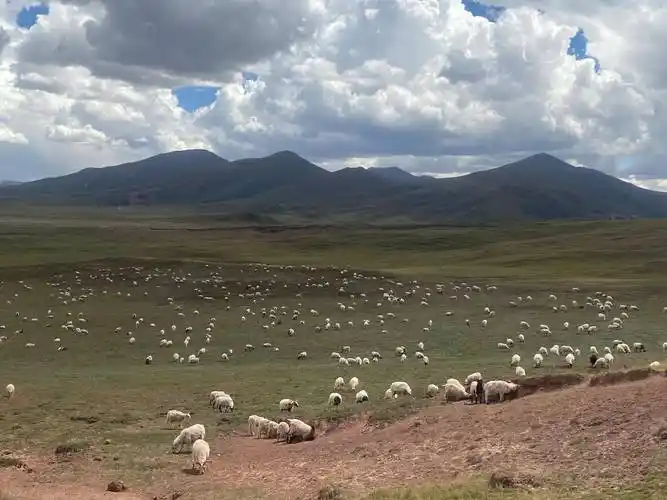 The yak has sustained Tibetan highland communities for millennia, much as the camel enabled trans-Saharan trade or the reindeer defined Sami life across Scandinavia. Yushu Prefecture, perched in the heart of the Qinghai-Tibet Plateau at elevations rivaling the high Alpine passes around Mont Blanc, sits at the geographic core of this pastoral tradition. Locals revere the animal as the "Boat of the Plateau," a status roughly equivalent to how Mediterranean civilizations once venerated the ox. The square itself emerged from a modern city-branding initiative celebrating this heritage, positioning Yushu as China's definitive yak capital. It functions as a civic stage where nomadic identity meets contemporary urban life—an echo of how medieval market squares once framed the identity of guild towns across Europe.
The square's centerpiece is a series of robust yak sculptures cast in bronze, their muscular forms reminiscent of the animal reliefs adorning Trajan's Column in Rome—though here celebrating a living creature rather than imperial conquest. Surrounding these figures, designers incorporated classic Tibetan architectural vocabulary: whitewashed stupas, prayer wheels, and the vivid reds, golds, and blues of Tibetan Buddhist iconography. Colorful prayer flags snap in the wind, much as banners once festooned Renaissance piazzas during feast days. Unlike the manicured formality of European royal plazas such as Versailles, the space retains an unpretentious, small-town feel. The clean streets of Jiegu Town frame the square, where traditional Tibetan homes mingle with modest modern structures.
Functioning as Yushu's "cultural living room," the square embodies the city's effort to translate millennia of pastoral heritage into a recognizable civic symbol—comparable to how the matador defines Pamplona or the gondola shapes Venice's identity. For international visitors, it offers an accessible first encounter with Tibetan plateau culture before venturing into more remote sacred sites. During periodic cultural tourism events, the plaza hosts intangible heritage performances, artifact displays, and communal Tibetan circle dancing. Outside these periods, it remains a quiet gathering place where locals stroll, elders chat, and children play beneath the Himalayan sky. The symbolism runs deep: each sculpture and flag speaks to a worldview where yaks, mountains, and monasteries form an inseparable trinity.
The square occupies the heart of Jiegu Town and is entirely free to enter, with no ticket booth, no official opening hours, and no internal museum. Travelers can walk or take a short taxi ride from anywhere in the compact town center. Aim to visit between 9:00 and 11:00 AM or after 4:00 PM to avoid the punishing midday UV common at such altitude. Plan for 30 to 60 minutes on-site; it is best treated as a brief stopover rather than a destination in itself. Combine your visit with nearby Jiegu Monastery, one of Tibet's six great Gelug school monasteries dating to the 14th century, and the windswept Batang Grasslands, where a private yak-herder's black-tent museum offers genuine insight into nomadic life.
Yushu sits between 3,700 and 4,200 meters—higher than most Alpine resorts, including Cervinia and Chamonix—meaning altitude acclimatization is non-negotiable. Foreign visitors should rest for 24 hours upon arrival before exploring, avoiding strenuous activity on day one. Pack portable oxygen, ibuprofen, and glucose tablets as a precaution against acute mountain sickness, and seek medical help if symptoms worsen. When entering monasteries or tents, remove hats and sunglasses, walk clockwise around sacred objects, and never photograph Buddhas, prayer flags, or mani stone piles. August brings dramatic temperature swings of 20°C or more between day and night; dress in layers, and carry SPF 50+ sunscreen, UV-blocking sunglasses, a wide-brimmed hat, and a windproof shell for sudden afternoon storms.
Set realistic expectations: this is not a theme park or a monument on par with the Forbidden City. Think of it instead as a high-altitude town square, the kind of place a small Italian piazza might occupy in Cortona or a market square in rural Austria—a modest civic stage where the texture of everyday life reveals itself. The reward lies less in monumental sights than in atmospheric immersion: the thin air, the prayer flags rippling overhead, the chance to share a cup of butter tea with friendly Tibetan residents. For travelers already bound for the region's stunning grasslands, sacred lakes, and Gelug monasteries, the Yak Cultural Square is a free, photogenic, and culturally illuminating waypoint.
The yak has sustained Tibetan highland communities for millennia, much as the camel enabled trans-Saharan trade or the reindeer defined Sami life across Scandinavia. Yushu Prefecture, perched in the heart of the Qinghai-Tibet Plateau at elevations rivaling the high Alpine passes around Mont Blanc, sits at the geographic core of this pastoral tradition. Locals revere the animal as the "Boat of the Plateau," a status roughly equivalent to how Mediterranean civilizations once venerated the ox. The square itself emerged from a modern city-branding initiative celebrating this heritage, positioning Yushu as China's definitive yak capital. It functions as a civic stage where nomadic identity meets contemporary urban life—an echo of how medieval market squares once framed the identity of guild towns across Europe.
The square's centerpiece is a series of robust yak sculptures cast in bronze, their muscular forms reminiscent of the animal reliefs adorning Trajan's Column in Rome—though here celebrating a living creature rather than imperial conquest. Surrounding these figures, designers incorporated classic Tibetan architectural vocabulary: whitewashed stupas, prayer wheels, and the vivid reds, golds, and blues of Tibetan Buddhist iconography. Colorful prayer flags snap in the wind, much as banners once festooned Renaissance piazzas during feast days. Unlike the manicured formality of European royal plazas such as Versailles, the space retains an unpretentious, small-town feel. The clean streets of Jiegu Town frame the square, where traditional Tibetan homes mingle with modest modern structures.
Functioning as Yushu's "cultural living room," the square embodies the city's effort to translate millennia of pastoral heritage into a recognizable civic symbol—comparable to how the matador defines Pamplona or the gondola shapes Venice's identity. For international visitors, it offers an accessible first encounter with Tibetan plateau culture before venturing into more remote sacred sites. During periodic cultural tourism events, the plaza hosts intangible heritage performances, artifact displays, and communal Tibetan circle dancing. Outside these periods, it remains a quiet gathering place where locals stroll, elders chat, and children play beneath the Himalayan sky. The symbolism runs deep: each sculpture and flag speaks to a worldview where yaks, mountains, and monasteries form an inseparable trinity.
The square occupies the heart of Jiegu Town and is entirely free to enter, with no ticket booth, no official opening hours, and no internal museum. Travelers can walk or take a short taxi ride from anywhere in the compact town center. Aim to visit between 9:00 and 11:00 AM or after 4:00 PM to avoid the punishing midday UV common at such altitude. Plan for 30 to 60 minutes on-site; it is best treated as a brief stopover rather than a destination in itself. Combine your visit with nearby Jiegu Monastery, one of Tibet's six great Gelug school monasteries dating to the 14th century, and the windswept Batang Grasslands, where a private yak-herder's black-tent museum offers genuine insight into nomadic life.
Yushu sits between 3,700 and 4,200 meters—higher than most Alpine resorts, including Cervinia and Chamonix—meaning altitude acclimatization is non-negotiable. Foreign visitors should rest for 24 hours upon arrival before exploring, avoiding strenuous activity on day one. Pack portable oxygen, ibuprofen, and glucose tablets as a precaution against acute mountain sickness, and seek medical help if symptoms worsen. When entering monasteries or tents, remove hats and sunglasses, walk clockwise around sacred objects, and never photograph Buddhas, prayer flags, or mani stone piles. August brings dramatic temperature swings of 20°C or more between day and night; dress in layers, and carry SPF 50+ sunscreen, UV-blocking sunglasses, a wide-brimmed hat, and a windproof shell for sudden afternoon storms.
Set realistic expectations: this is not a theme park or a monument on par with the Forbidden City. Think of it instead as a high-altitude town square, the kind of place a small Italian piazza might occupy in Cortona or a market square in rural Austria—a modest civic stage where the texture of everyday life reveals itself. The reward lies less in monumental sights than in atmospheric immersion: the thin air, the prayer flags rippling overhead, the chance to share a cup of butter tea with friendly Tibetan residents. For travelers already bound for the region's stunning grasslands, sacred lakes, and Gelug monasteries, the Yak Cultural Square is a free, photogenic, and culturally illuminating waypoint.