Yushu Earthquake Memorial Hall
⭐ 3.50
Yushu Earthquake Memorial Hall, Yushu City, Yushu Tibetan Autonomous Prefecture, Qinghai Province, China
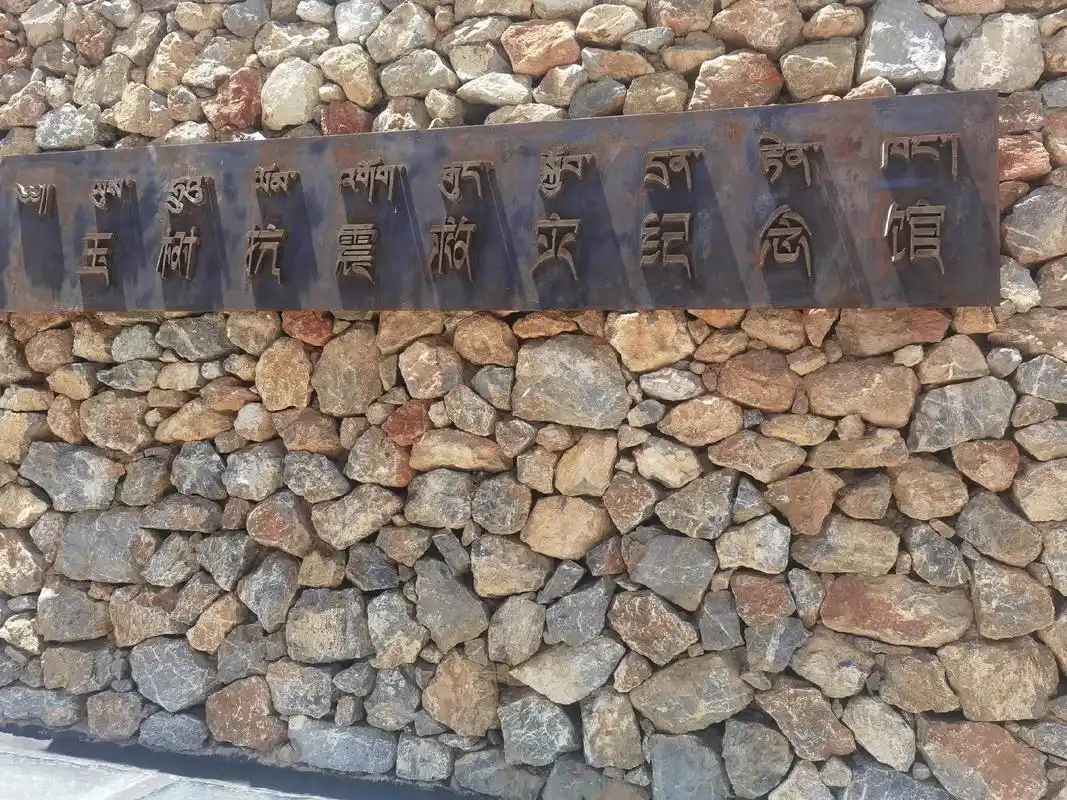 On April 14, 2010, a catastrophic magnitude 7.1 earthquake struck Yushu, leaving nearly 3,000 people dead or missing and reducing much of this Tibetan highland town to rubble. Comparable in scale to the 1908 Messina earthquake in Sicily or the 1976 Tangshan disaster, it ranks among the deadliest seismic events of modern Chinese history. The memorial was established to honor the victims and to preserve the extraordinary story of the rescue and recovery effort, with the foundation stone deliberately inscribed with the date of the catastrophe as a permanent reminder.
The building itself is a striking architectural statement. Designed by Chinese Academy of Engineering academician Meng Jianmin, the structure is largely subterranean, conceived as a symbolic crack splitting the high plateau earth. This evocative concept earned it the prestigious Chinese Architecture Creation Award Gold Medal. The design echoes the contemplative restraint of Maya Lin's Vietnam Veterans Memorial in Washington, D.C., while embracing the dramatic high-altitude landscape of the Qinghai-Tibet Plateau, integrating seamlessly with the surrounding terrain rather than dominating it.
A defining feature is the seamless fusion of memorial solemnity with Tibetan Buddhist tradition. The grounds include 85 prayer wheels arranged along the pathways, alongside mani stones and traditional butter lamps, transforming the site into a place of both mourning and spiritual reflection. At the central Gratitude Square stands a powerful bronze sculpture of rescue heroes alongside a memorial obelisk inscribed with the spirit of Yushu: great love, indomitable will, pushing limits, and grateful progress. For Western visitors familiar with European war memorials like Verdun or the Holocaust Memorial in Berlin, this site offers a similarly profound emotional resonance rooted in a distinct cultural vocabulary.
Practical information is essential for any visit. The memorial sits in Jiegu Town along Zhiqu Road, easily reached on foot or by taxi from central Yushu. Admission is free Tuesday through Sunday, with the site closed on Mondays, and guests should bring valid identification for entry. Free guided tours are available with advance reservation, and visitors should plan for two to three hours to experience the site fully.
Yushu sits at approximately 3,700 meters above sea level—higher than the summit of Mont Blanc—so altitude sickness is a real concern. Visitors should acclimatize gradually, carry oxygen canisters, and stay well hydrated, much as one would prepare for trekking in the Andes or the Himalayas. Inside the memorial, a respectful demeanor is essential: visitors should refrain from touching the prayer wheels and mani stones, and should observe moments of silence appropriate to the gravity of the place. With thoughtful preparation, a visit here becomes one of the most meaningful travel experiences in western China.
This memorial deserves a place on the itinerary of any thoughtful traveler because it offers something rare: a chance to witness how a community transforms unimaginable tragedy into renewed cultural pride. Few sites in the world combine such raw historical testimony with living spiritual practice, and even fewer do so at the roof of the earth, where the silence of the plateau amplifies every story preserved within these walls.
On April 14, 2010, a catastrophic magnitude 7.1 earthquake struck Yushu, leaving nearly 3,000 people dead or missing and reducing much of this Tibetan highland town to rubble. Comparable in scale to the 1908 Messina earthquake in Sicily or the 1976 Tangshan disaster, it ranks among the deadliest seismic events of modern Chinese history. The memorial was established to honor the victims and to preserve the extraordinary story of the rescue and recovery effort, with the foundation stone deliberately inscribed with the date of the catastrophe as a permanent reminder.
The building itself is a striking architectural statement. Designed by Chinese Academy of Engineering academician Meng Jianmin, the structure is largely subterranean, conceived as a symbolic crack splitting the high plateau earth. This evocative concept earned it the prestigious Chinese Architecture Creation Award Gold Medal. The design echoes the contemplative restraint of Maya Lin's Vietnam Veterans Memorial in Washington, D.C., while embracing the dramatic high-altitude landscape of the Qinghai-Tibet Plateau, integrating seamlessly with the surrounding terrain rather than dominating it.
A defining feature is the seamless fusion of memorial solemnity with Tibetan Buddhist tradition. The grounds include 85 prayer wheels arranged along the pathways, alongside mani stones and traditional butter lamps, transforming the site into a place of both mourning and spiritual reflection. At the central Gratitude Square stands a powerful bronze sculpture of rescue heroes alongside a memorial obelisk inscribed with the spirit of Yushu: great love, indomitable will, pushing limits, and grateful progress. For Western visitors familiar with European war memorials like Verdun or the Holocaust Memorial in Berlin, this site offers a similarly profound emotional resonance rooted in a distinct cultural vocabulary.
Practical information is essential for any visit. The memorial sits in Jiegu Town along Zhiqu Road, easily reached on foot or by taxi from central Yushu. Admission is free Tuesday through Sunday, with the site closed on Mondays, and guests should bring valid identification for entry. Free guided tours are available with advance reservation, and visitors should plan for two to three hours to experience the site fully.
Yushu sits at approximately 3,700 meters above sea level—higher than the summit of Mont Blanc—so altitude sickness is a real concern. Visitors should acclimatize gradually, carry oxygen canisters, and stay well hydrated, much as one would prepare for trekking in the Andes or the Himalayas. Inside the memorial, a respectful demeanor is essential: visitors should refrain from touching the prayer wheels and mani stones, and should observe moments of silence appropriate to the gravity of the place. With thoughtful preparation, a visit here becomes one of the most meaningful travel experiences in western China.
This memorial deserves a place on the itinerary of any thoughtful traveler because it offers something rare: a chance to witness how a community transforms unimaginable tragedy into renewed cultural pride. Few sites in the world combine such raw historical testimony with living spiritual practice, and even fewer do so at the roof of the earth, where the silence of the plateau amplifies every story preserved within these walls.