Mudan River Park
⭐ 3.80
Mudan River Park, Aimin District, Mudanjiang City, Heilongjiang Province, China
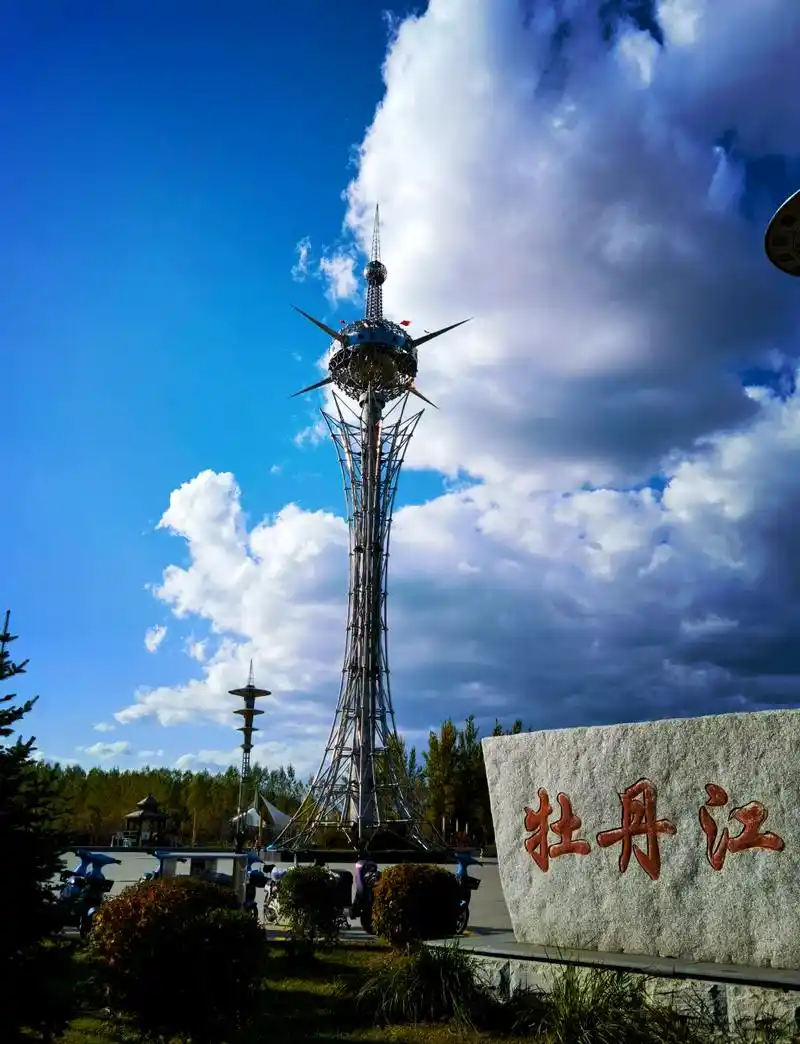 Founded in 1931, the park emerged during a turning point in modern East Asian history. That September, the Mukden Incident provided the pretext for Japan’s occupation of Manchuria; Mudanjiang, close to the Russian Far East and shaped by its frontier position, developed within that turbulent regional history. The Anti-Japanese War Victory Monument connects the site’s everyday role today with the immense sacrifice and upheaval of the Second World War. It is not a preserved battlefield, but a thoughtful public memorial within a landscape used daily by residents, giving the war an intimate place in city life rather than presenting it only as distant history.
Architecturally, the park favors an informal landscape plan over grand buildings. Its 16.3 hectares of water weave around Central Lake, Glasses Lake, and the lotus area, creating shifting reflections and a sequence of intimate views. The result offers the varied attractions of Copenhagen’s Tivoli Gardens and the green civic character of London’s Regent’s Park, rather than the symmetry of an imperial Chinese garden. Paths, lawns, waterside edges, and activity zones unfold as you walk. Tianxiang Lake’s nighttime illumination, once completed, will add a contemporary light-show element, but the heart of the place remains its mature tree canopy, open lakes, and public squares.
The park is a stage for Mudanjiang’s community culture. More than 70 exercise teams train here throughout the year, while lotus festivals, matchmaking events, yangge folk-dance performances, and other celebrations fill the calendar with color. Around the fitness plaza, tai chi, dance, and group workouts reveal a side of Chinese city life that guidebooks rarely show. The lotus beds add a quieter seasonal note: blooms turn the water into a painterly field in midsummer, then fade by late August. Together, the monument, gardens, and open gathering spaces make the park both a civic classroom and a lived-in neighborhood institution.
Admission is free and the park is open daily from 6:30 a.m. to 10 p.m. It stands at 13 Dong Sitiao Road in Yangming District. Public transport is the simplest choice because parking is limited; ride-hailing may be useful for the return journey if you want to linger after dark. There is currently no commercial dining inside, so bring drinking water and snacks, and do not rely on finding a meal within the gates. In summer, mosquitoes are common beside the lakes; repellent and long trousers are sensible. The park is broad but largely walkable, so allow two to three hours.
For a satisfying route, begin at the east gate or a west-side entrance, pause for the reflections of Central Lake, then follow the cultural corridor to the Anti-Japanese War Victory Monument. Continue to the lotus pools and finish among the exercise groups in the main square. Visit from 6:30 to 9 a.m. for cool air, fewer crowds, and lively morning activity, or arrive after 4 p.m. for softer light. Late August is especially atmospheric, when lotus flowers are nearing the end of their display. Come for the scenery, but stay for the ordinary, generous character of Mudanjiang life.
Founded in 1931, the park emerged during a turning point in modern East Asian history. That September, the Mukden Incident provided the pretext for Japan’s occupation of Manchuria; Mudanjiang, close to the Russian Far East and shaped by its frontier position, developed within that turbulent regional history. The Anti-Japanese War Victory Monument connects the site’s everyday role today with the immense sacrifice and upheaval of the Second World War. It is not a preserved battlefield, but a thoughtful public memorial within a landscape used daily by residents, giving the war an intimate place in city life rather than presenting it only as distant history.
Architecturally, the park favors an informal landscape plan over grand buildings. Its 16.3 hectares of water weave around Central Lake, Glasses Lake, and the lotus area, creating shifting reflections and a sequence of intimate views. The result offers the varied attractions of Copenhagen’s Tivoli Gardens and the green civic character of London’s Regent’s Park, rather than the symmetry of an imperial Chinese garden. Paths, lawns, waterside edges, and activity zones unfold as you walk. Tianxiang Lake’s nighttime illumination, once completed, will add a contemporary light-show element, but the heart of the place remains its mature tree canopy, open lakes, and public squares.
The park is a stage for Mudanjiang’s community culture. More than 70 exercise teams train here throughout the year, while lotus festivals, matchmaking events, yangge folk-dance performances, and other celebrations fill the calendar with color. Around the fitness plaza, tai chi, dance, and group workouts reveal a side of Chinese city life that guidebooks rarely show. The lotus beds add a quieter seasonal note: blooms turn the water into a painterly field in midsummer, then fade by late August. Together, the monument, gardens, and open gathering spaces make the park both a civic classroom and a lived-in neighborhood institution.
Admission is free and the park is open daily from 6:30 a.m. to 10 p.m. It stands at 13 Dong Sitiao Road in Yangming District. Public transport is the simplest choice because parking is limited; ride-hailing may be useful for the return journey if you want to linger after dark. There is currently no commercial dining inside, so bring drinking water and snacks, and do not rely on finding a meal within the gates. In summer, mosquitoes are common beside the lakes; repellent and long trousers are sensible. The park is broad but largely walkable, so allow two to three hours.
For a satisfying route, begin at the east gate or a west-side entrance, pause for the reflections of Central Lake, then follow the cultural corridor to the Anti-Japanese War Victory Monument. Continue to the lotus pools and finish among the exercise groups in the main square. Visit from 6:30 to 9 a.m. for cool air, fewer crowds, and lively morning activity, or arrive after 4 p.m. for softer light. Late August is especially atmospheric, when lotus flowers are nearing the end of their display. Come for the scenery, but stay for the ordinary, generous character of Mudanjiang life.