Meiling Hongya Danjing Scenic Area
⭐ 3.60
Meiling Hongya Danjing Scenic Area, Nanchang, Jiangxi, China
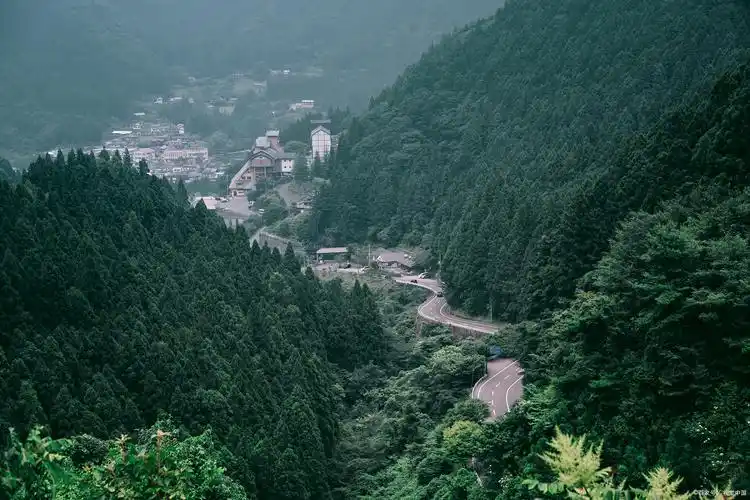 HONGYA DANJING belongs to that rare category of places where mythology and tangible history genuinely overlap. The site claims the singular distinction of being where Ling Lun, music master to the mythical Yellow Emperor, is said to have first produced the twelve standard pitches that underpin all East Asian music—a tradition Chinese scholars place roughly contemporary with the Bronze Age builders of Stonehenge and the early Minoan palaces of Crete. The five surviving well heads, continuously revered since the Song Dynasty, are ringed by stelae bearing the brushwork of generations of literati, while a bold two-character inscription, "Hongya," was personally brushed by the Kangxi Emperor during his southern tours in the 17th century—rather like a royal endorsement carved into the cliffs.
THE ARCHITECTURE AND LANDSCAPE unfold as a deliberate journey through layered meaning. The centerpiece waterfall, Hongya Falls, drops in a silvery veil that Tang tea connoisseur Lu Yu ranked as the eighth finest spring water in the empire, its sound likened to ringing chimes and zither strings. Around it, the Xianyue Stream, Yudie Lake, and Yuqin Lake form a network of waterways whose names themselves translate as "Immortal Music," "Jade Flute," and "Jade Zither." You might compare the overall effect to an Italian Renaissance garden grotto, though here the "statues" are replaced by Tang-era cliff carvings and the carefully placed boulders by misty Jiangxi peaks wrapped in bamboo and pine.
CULTURAL SIGNIFICANCE runs deeper than scenic charm. Hongya Danjing is the wellspring of Nanchang's ancient nickname "Hongdu," and the adjacent Cuiyan Buddhist Temple—considered the foremost of the eight great monasteries of Western Mountain—still echoes with morning bells and evening drums that mingle with the rush of falling water. Inside the newer Le Shen Palace, vivid exhibits walk visitors through the Ling Lun legend and the evolution of Chinese music, while interactive zones invite guests to experience five-tone wellness practices and even join a "music tribe" workshop. It is a remarkably accessible way to engage with the ritual-music traditions that Confucius himself considered the bedrock of civilized society.
PRACTICAL INFORMATION is straightforward and budget-friendly. The site sits at 1 Ziqing Road, Wanli, Xinjian District, within the Meiling Scenic Area. Entrance costs roughly 30 yuan (about $4), and gates run from 8:30 a.m. to 5:00 p.m., with last entry at 5:00. From central Nanchang, buses 169, 217, and 540 deliver you directly to the "Hongya Danjing" stop in about an hour. Allow between 90 minutes and three hours for a comfortable visit—longer if you intend to climb to the waterfall or linger among the cliff inscriptions.
WHY VISIT? For Western travelers tracing the story of civilization, Hongya Danjing offers something few destinations can: the chance to stand at a site where an entire nation's musical language was, by tradition, born. It combines the contemplative hush of an old Benedictine abbey, the rugged romance of a Swiss alpine cascade, and the layered historicity of a Roman ruin—all without the crowds. Mornings and late afternoons cast the softest light for photography; spring and autumn bring the most pleasant temperatures, though summer visitors are rewarded with the waterfall at its most thunderous and a welcome coolness beneath the forested slopes. Pair it with nearby Shizi Peak for a satisfying half-day cultural ramble.
HONGYA DANJING belongs to that rare category of places where mythology and tangible history genuinely overlap. The site claims the singular distinction of being where Ling Lun, music master to the mythical Yellow Emperor, is said to have first produced the twelve standard pitches that underpin all East Asian music—a tradition Chinese scholars place roughly contemporary with the Bronze Age builders of Stonehenge and the early Minoan palaces of Crete. The five surviving well heads, continuously revered since the Song Dynasty, are ringed by stelae bearing the brushwork of generations of literati, while a bold two-character inscription, "Hongya," was personally brushed by the Kangxi Emperor during his southern tours in the 17th century—rather like a royal endorsement carved into the cliffs.
THE ARCHITECTURE AND LANDSCAPE unfold as a deliberate journey through layered meaning. The centerpiece waterfall, Hongya Falls, drops in a silvery veil that Tang tea connoisseur Lu Yu ranked as the eighth finest spring water in the empire, its sound likened to ringing chimes and zither strings. Around it, the Xianyue Stream, Yudie Lake, and Yuqin Lake form a network of waterways whose names themselves translate as "Immortal Music," "Jade Flute," and "Jade Zither." You might compare the overall effect to an Italian Renaissance garden grotto, though here the "statues" are replaced by Tang-era cliff carvings and the carefully placed boulders by misty Jiangxi peaks wrapped in bamboo and pine.
CULTURAL SIGNIFICANCE runs deeper than scenic charm. Hongya Danjing is the wellspring of Nanchang's ancient nickname "Hongdu," and the adjacent Cuiyan Buddhist Temple—considered the foremost of the eight great monasteries of Western Mountain—still echoes with morning bells and evening drums that mingle with the rush of falling water. Inside the newer Le Shen Palace, vivid exhibits walk visitors through the Ling Lun legend and the evolution of Chinese music, while interactive zones invite guests to experience five-tone wellness practices and even join a "music tribe" workshop. It is a remarkably accessible way to engage with the ritual-music traditions that Confucius himself considered the bedrock of civilized society.
PRACTICAL INFORMATION is straightforward and budget-friendly. The site sits at 1 Ziqing Road, Wanli, Xinjian District, within the Meiling Scenic Area. Entrance costs roughly 30 yuan (about $4), and gates run from 8:30 a.m. to 5:00 p.m., with last entry at 5:00. From central Nanchang, buses 169, 217, and 540 deliver you directly to the "Hongya Danjing" stop in about an hour. Allow between 90 minutes and three hours for a comfortable visit—longer if you intend to climb to the waterfall or linger among the cliff inscriptions.
WHY VISIT? For Western travelers tracing the story of civilization, Hongya Danjing offers something few destinations can: the chance to stand at a site where an entire nation's musical language was, by tradition, born. It combines the contemplative hush of an old Benedictine abbey, the rugged romance of a Swiss alpine cascade, and the layered historicity of a Roman ruin—all without the crowds. Mornings and late afternoons cast the softest light for photography; spring and autumn bring the most pleasant temperatures, though summer visitors are rewarded with the waterfall at its most thunderous and a welcome coolness beneath the forested slopes. Pair it with nearby Shizi Peak for a satisfying half-day cultural ramble.