Anyi Ancient Villages
⭐ 3.80
Anyi Ancient Villages Scenic Area, Nanchang, Jiangxi Province, China
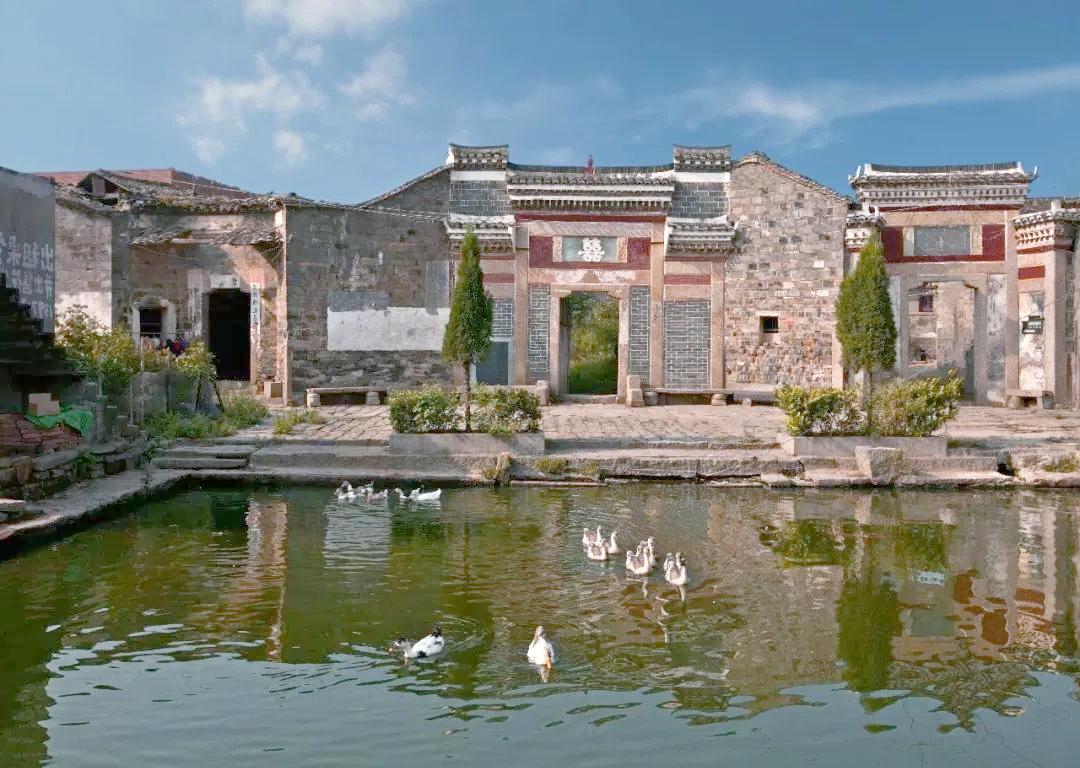 The three villages of Luotian, Shuinan and Jingtai trace their origins to the early Tang dynasty (roughly 618–907 CE), the same century that saw Europe's great monasteries founding the continent's first universities. They flourished during the Ming and Qing dynasties (1368–1911), the era when Venice's trading empire and the Hanseatic League dominated European commerce. Comparable to those Mediterranean merchant networks, the Jiangxi merchant guilds—known as the Jiangyou Shangbang—built fortunes along inland river routes, and these three hamlets were their ancestral heartland. Descendants of the original clans still live here, making it one of eastern China's rare "living" clan enclaves.
The architecture rivals southern Anhui's celebrated Huizhou villages, with the same soaring horse-head gables meant to ward off fire. Anyi's signature is the Shidafu Mansion, a Qing-dynasty showpiece whose 48 internal courtyards filter light and rain with the ingenuity of a Roman atrium. Wander the carved doorways of Yuqing Hall, admire the upturned eaves of the Jingtai Opera Stage, or pause beneath the thousand-year camphor tree framed by a stone memorial arch. Blue-grey bricks, stone foundations and intricate wood, brick and stone carvings—the local "three perfections" of Gan building—lend every doorway a quiet, lived-in elegance.
For centuries, these lanes echoed with the clatter of merchant caravans returning from routes that stretched to the Yangtze delta and beyond. The Jingtai Opera Stage, built during the Qianlong reign (1736–1795)—the same decade Mozart was enchanting Viennese salons—still hosts performances of Gan opera. The Mozhong Family School and Shuinan Boudoir Tower reveal how boys and girls were educated within strict Confucian hierarchies, while the Folk Museum's farm implements and bamboo-thread carvings keep the rural crafts of northwestern Jiangxi alive. Every worn brick is a witness to the rise and fall of the river-trading elite.
The site sits about an hour's drive from central Nanchang via the Changjiu or Changtong expressways; budget travellers can take Bus 136 to Anyi town and transfer to a local shuttle to Shibi village. Admission is 80 yuan at the gate, though online platforms often discount tickets to 40–58 yuan, and Nanchang's tourist passport grants free entry. Opening hours run to 5:30 pm in summer and 5 pm in winter. Most signage is in Chinese only, so booking an interpreter-guide in advance is strongly recommended to unlock the stories behind each ancestral hall.
Plan three to four hours to walk the villages in the suggested Luotian-to-Jingtai order. Spring and autumn, particularly during traditional festivals, bring clear skies and folk performances on the ancient stage—conditions that echo the photographic charms of Tuscany in May or the Dordogne in October. Stone-paved paths grow slippery after rain, so wear sturdy trainers; if you spot an ancestor tablet inside a hall, observe respectfully and skip the flash photography. Local food stalls are few, but arranging a homestyle meal in advance lets you sample Anyi's famous pepper chicken and Qingming rice cakes—flavours as distinctive and memorable as the villages themselves.
The three villages of Luotian, Shuinan and Jingtai trace their origins to the early Tang dynasty (roughly 618–907 CE), the same century that saw Europe's great monasteries founding the continent's first universities. They flourished during the Ming and Qing dynasties (1368–1911), the era when Venice's trading empire and the Hanseatic League dominated European commerce. Comparable to those Mediterranean merchant networks, the Jiangxi merchant guilds—known as the Jiangyou Shangbang—built fortunes along inland river routes, and these three hamlets were their ancestral heartland. Descendants of the original clans still live here, making it one of eastern China's rare "living" clan enclaves.
The architecture rivals southern Anhui's celebrated Huizhou villages, with the same soaring horse-head gables meant to ward off fire. Anyi's signature is the Shidafu Mansion, a Qing-dynasty showpiece whose 48 internal courtyards filter light and rain with the ingenuity of a Roman atrium. Wander the carved doorways of Yuqing Hall, admire the upturned eaves of the Jingtai Opera Stage, or pause beneath the thousand-year camphor tree framed by a stone memorial arch. Blue-grey bricks, stone foundations and intricate wood, brick and stone carvings—the local "three perfections" of Gan building—lend every doorway a quiet, lived-in elegance.
For centuries, these lanes echoed with the clatter of merchant caravans returning from routes that stretched to the Yangtze delta and beyond. The Jingtai Opera Stage, built during the Qianlong reign (1736–1795)—the same decade Mozart was enchanting Viennese salons—still hosts performances of Gan opera. The Mozhong Family School and Shuinan Boudoir Tower reveal how boys and girls were educated within strict Confucian hierarchies, while the Folk Museum's farm implements and bamboo-thread carvings keep the rural crafts of northwestern Jiangxi alive. Every worn brick is a witness to the rise and fall of the river-trading elite.
The site sits about an hour's drive from central Nanchang via the Changjiu or Changtong expressways; budget travellers can take Bus 136 to Anyi town and transfer to a local shuttle to Shibi village. Admission is 80 yuan at the gate, though online platforms often discount tickets to 40–58 yuan, and Nanchang's tourist passport grants free entry. Opening hours run to 5:30 pm in summer and 5 pm in winter. Most signage is in Chinese only, so booking an interpreter-guide in advance is strongly recommended to unlock the stories behind each ancestral hall.
Plan three to four hours to walk the villages in the suggested Luotian-to-Jingtai order. Spring and autumn, particularly during traditional festivals, bring clear skies and folk performances on the ancient stage—conditions that echo the photographic charms of Tuscany in May or the Dordogne in October. Stone-paved paths grow slippery after rain, so wear sturdy trainers; if you spot an ancestor tablet inside a hall, observe respectfully and skip the flash photography. Local food stalls are few, but arranging a homestyle meal in advance lets you sample Anyi's famous pepper chicken and Qingming rice cakes—flavours as distinctive and memorable as the villages themselves.