Jingpo Lake Scenic Area
⭐ 4.40
Jingpo Lake Scenic Area, Ning'an City, Mudanjiang City, Heilongjiang Province, China
 Geological Origins and Global Significance
Jingpo Lake was born from catastrophe turned beauty: roughly 10,000 years ago, volcanic eruptions sent lava cascading down the Changbai Mountain range, blocking the Mudanjiang River and forming what is now recognized as one of the world's rarest high-mountain barrier lakes. Comparable in scale and drama to Iceland's Lake Mývatn or Italy's volcanic Lake Bolsena, Jingpo ranks among the largest of its kind globally. The lake stretches approximately 50 kilometers long and reaches depths of up to 62 meters, fed by清澈 mountain streams and surrounded by pristine birch and pine forests. For travelers interested in earth sciences, the area functions as an open-air laboratory showcasing basalt formations, volcanic cones, and post-glacial landscapes.
Diaoshuilou Waterfall – The Thundering Gateway
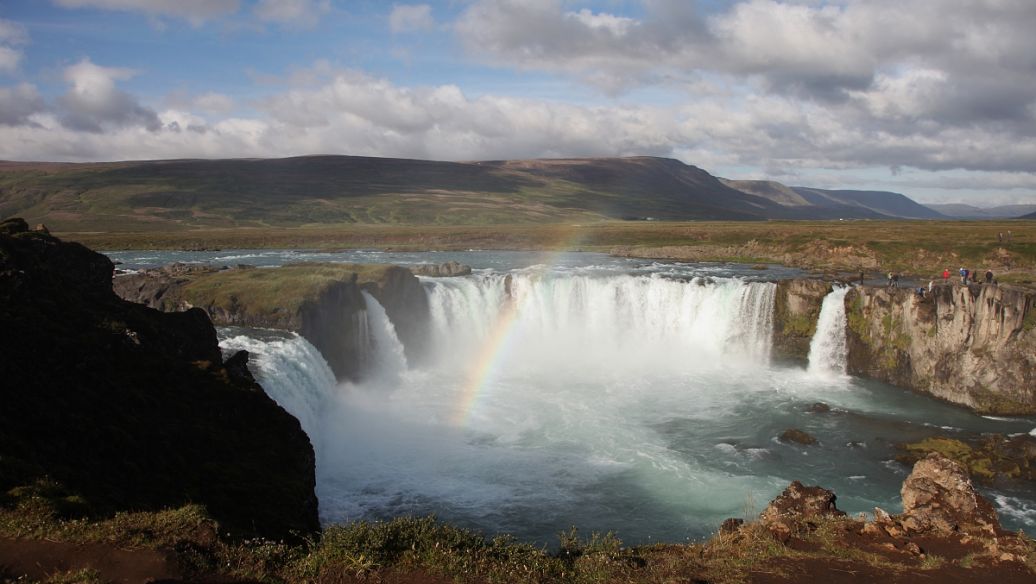
The lake's most photographed spectacle is the Diaoshuilou Waterfall, where the lake's excess water plunges dramatically over a 25-meter basalt cliff. During the summer rainy season, the cascade reaches a width of over 40 meters, producing a thunderous roar audible from considerable distances—reminiscent of Europe's more compact but equally powerful waterfalls like Plitvice's cascades in Croatia. A natural viewing platform allows visitors to approach within meters of the falling water, while nearby suspension bridges offer panoramic perspectives. The waterfall is best experienced between June and September when flow rates peak and mist creates ethereal rainbows in the afternoon sun.
The Hundred-Lake Cruise Experience
Embarking on a cruise across Jingpo Lake reveals its serpentine beauty, as the waterway winds through forested valleys dotted with small fishing villages. Vessels range from traditional Chinese-style tour boats to private speedboats, with journeys lasting from one to several hours. Along the shores, visitors can spot reclusive herons and, with luck, Asiatic black bears foraging near the tree line. Several islands—including Jingpo Island and Mao'er Island—feature hiking trails through old-growth forests, while a fleet of traditional-style rafts offers quieter alternatives for photography enthusiasts. The calm, mirror-smooth surface in early morning provides some of the most stunning reflection photography opportunities in all of Northeast Asia.
The Underground Forest and Volcanic Craters
Beyond the lakeshore lies the景区's most mysterious feature: the Underground Forest, a unique ecosystem where ancient trees grow within the collapsed calderas of dormant volcanoes. Visitors descend via elevated walkways into three separate craters, where sunlight filters down to nourish towering pines and birches that have thrived for centuries in this sheltered microclimate. The hike is moderately strenuous but rewarding, offering views from the crater rims that rival those of Oregon's Crater Lake or the calderas of Santorini—though Jingpo's forest-filled basins present a verdant counterpoint to those barren volcanic bowls. Guided tours explain the symbiotic relationship between volcanic soil, climate, and the resilient forest canopy.
Cultural Heritage and Indigenous History
The region surrounding Jingpo Lake has been inhabited for millennia by the Manchu people, whose ancestors—the Jurchen tribes—founded the Jin Dynasty (1115–1234) that once ruled much of northern China. The lake's name itself derives from the Manchu word "Ginpo," meaning "bright and clear water." Archaeological sites along the lakeshore contain petroglyphs and ancient settlements, while local Manchu communities preserve traditions of fishing with cormorants, a practice dating back over a thousand years. Visitors interested in ethnographic tourism can experience Manchu folk performances, traditional cuisine featuring freshwater fish, and craft demonstrations that connect the modern scenic experience to its deep historical roots.
Practical Visitor Information
Jingpo Lake is approximately 110 kilometers southeast of Mudanjiang city, accessible via high-speed rail to Mudanjiang Station followed by a 1.5-hour bus or taxi transfer. The official scenic area entry fee is around 100 RMB (approximately 14 USD), with separate charges for boat cruises and shuttle buses between attractions. Accommodation ranges from luxury lakeside resorts to budget-friendly guesthouses in nearby villages, with prices typically running 300–1,200 RMB per night during peak season (June–August). English-speaking guides can be arranged through hotels or the official tourist office. The optimal visiting window is May through October, when the weather is mild, waterfalls flow powerfully, and the underground forest trails are fully accessible. Layered clothing is essential even in summer, as evening temperatures near the lake can drop sharply.
Why Jingpo Lake Deserves a Place on Your Itinerary
For Western travelers seeking an alternative to China's better-known southern attractions, Jingpo Lake offers an intoxicating blend of geological wonder, refreshing cool climate, and authentic northeastern culture. Where destinations like Guilin showcase karst peaks or Jiuzhaigou dazzles with terraced pools, Jingpo delivers a distinctly volcanic narrative combined with vast forested wilderness. It is a place where visitors can stand atop a 10,000-year-old lava flow, cruise past forested shorelines in the morning mist, and watch a thunderous waterfall by afternoon—all within a single, manageable day. Few places on earth so seamlessly combine raw geological drama with accessible tourism infrastructure, making Jingpo Lake an ideal introduction to the wild, cool, and largely underexplored heart of Northeast China.
Geological Origins and Global Significance
Jingpo Lake was born from catastrophe turned beauty: roughly 10,000 years ago, volcanic eruptions sent lava cascading down the Changbai Mountain range, blocking the Mudanjiang River and forming what is now recognized as one of the world's rarest high-mountain barrier lakes. Comparable in scale and drama to Iceland's Lake Mývatn or Italy's volcanic Lake Bolsena, Jingpo ranks among the largest of its kind globally. The lake stretches approximately 50 kilometers long and reaches depths of up to 62 meters, fed by清澈 mountain streams and surrounded by pristine birch and pine forests. For travelers interested in earth sciences, the area functions as an open-air laboratory showcasing basalt formations, volcanic cones, and post-glacial landscapes.
Diaoshuilou Waterfall – The Thundering Gateway
The lake's most photographed spectacle is the Diaoshuilou Waterfall, where the lake's excess water plunges dramatically over a 25-meter basalt cliff. During the summer rainy season, the cascade reaches a width of over 40 meters, producing a thunderous roar audible from considerable distances—reminiscent of Europe's more compact but equally powerful waterfalls like Plitvice's cascades in Croatia. A natural viewing platform allows visitors to approach within meters of the falling water, while nearby suspension bridges offer panoramic perspectives. The waterfall is best experienced between June and September when flow rates peak and mist creates ethereal rainbows in the afternoon sun.
The Hundred-Lake Cruise Experience
Embarking on a cruise across Jingpo Lake reveals its serpentine beauty, as the waterway winds through forested valleys dotted with small fishing villages. Vessels range from traditional Chinese-style tour boats to private speedboats, with journeys lasting from one to several hours. Along the shores, visitors can spot reclusive herons and, with luck, Asiatic black bears foraging near the tree line. Several islands—including Jingpo Island and Mao'er Island—feature hiking trails through old-growth forests, while a fleet of traditional-style rafts offers quieter alternatives for photography enthusiasts. The calm, mirror-smooth surface in early morning provides some of the most stunning reflection photography opportunities in all of Northeast Asia.
The Underground Forest and Volcanic Craters
Beyond the lakeshore lies the景区's most mysterious feature: the Underground Forest, a unique ecosystem where ancient trees grow within the collapsed calderas of dormant volcanoes. Visitors descend via elevated walkways into three separate craters, where sunlight filters down to nourish towering pines and birches that have thrived for centuries in this sheltered microclimate. The hike is moderately strenuous but rewarding, offering views from the crater rims that rival those of Oregon's Crater Lake or the calderas of Santorini—though Jingpo's forest-filled basins present a verdant counterpoint to those barren volcanic bowls. Guided tours explain the symbiotic relationship between volcanic soil, climate, and the resilient forest canopy.
Cultural Heritage and Indigenous History
The region surrounding Jingpo Lake has been inhabited for millennia by the Manchu people, whose ancestors—the Jurchen tribes—founded the Jin Dynasty (1115–1234) that once ruled much of northern China. The lake's name itself derives from the Manchu word "Ginpo," meaning "bright and clear water." Archaeological sites along the lakeshore contain petroglyphs and ancient settlements, while local Manchu communities preserve traditions of fishing with cormorants, a practice dating back over a thousand years. Visitors interested in ethnographic tourism can experience Manchu folk performances, traditional cuisine featuring freshwater fish, and craft demonstrations that connect the modern scenic experience to its deep historical roots.
Practical Visitor Information
Jingpo Lake is approximately 110 kilometers southeast of Mudanjiang city, accessible via high-speed rail to Mudanjiang Station followed by a 1.5-hour bus or taxi transfer. The official scenic area entry fee is around 100 RMB (approximately 14 USD), with separate charges for boat cruises and shuttle buses between attractions. Accommodation ranges from luxury lakeside resorts to budget-friendly guesthouses in nearby villages, with prices typically running 300–1,200 RMB per night during peak season (June–August). English-speaking guides can be arranged through hotels or the official tourist office. The optimal visiting window is May through October, when the weather is mild, waterfalls flow powerfully, and the underground forest trails are fully accessible. Layered clothing is essential even in summer, as evening temperatures near the lake can drop sharply.
Why Jingpo Lake Deserves a Place on Your Itinerary
For Western travelers seeking an alternative to China's better-known southern attractions, Jingpo Lake offers an intoxicating blend of geological wonder, refreshing cool climate, and authentic northeastern culture. Where destinations like Guilin showcase karst peaks or Jiuzhaigou dazzles with terraced pools, Jingpo delivers a distinctly volcanic narrative combined with vast forested wilderness. It is a place where visitors can stand atop a 10,000-year-old lava flow, cruise past forested shorelines in the morning mist, and watch a thunderous waterfall by afternoon—all within a single, manageable day. Few places on earth so seamlessly combine raw geological drama with accessible tourism infrastructure, making Jingpo Lake an ideal introduction to the wild, cool, and largely underexplored heart of Northeast China.