Jingpo Lake
⭐ 4.40
Jingpo Lake Scenic Area, Ning'an City, Mudanjiang City, Heilongjiang Province, China
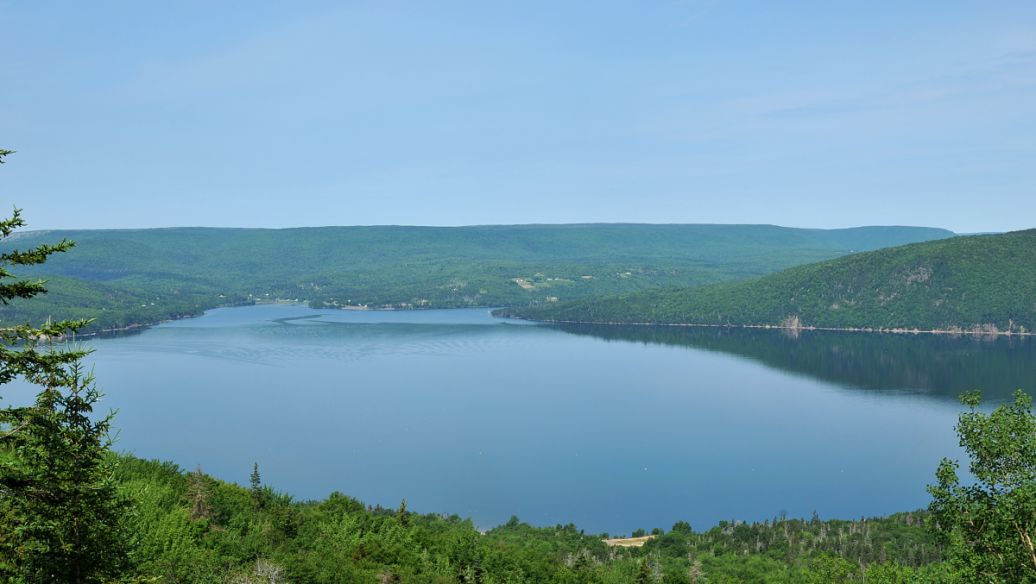 Imagine a Chinese cousin to Norway's fjords or Scotland's deep lochs—Jingpo Lake stretches across 80 to 95 square kilometers of mirror-still water, cradled by forested mountains and dotted with strangely shaped islands like Maogong Mountain and Pearl Gate. Reaching depths over 60 meters and maintaining Class II water quality, the lake offers boat cruises where reflections blur the line between water and sky, evoking the same timeless tranquility found at Lake Bled or the Italian Lakes. The winding shoreline reveals eight classical "scenes" that have inspired Chinese poets for centuries.
The park's crown jewel is Diaoshuilou Falls, China's largest lava waterfall, where the Mudan River plunges over a basalt cliff in a 300-to-400-meter curtain of mist during summer months. Daily at 10:00 and 14:00, Guinness World Record holder Di Huanan and his team launch themselves from the precipice in breathtaking cliff-diving exhibitions—think Acapulco cliff divers performing against a geological backdrop rivaling Iceland's waterfalls. When winter freezes the cascade into towering ice sculptures, the spectacle becomes entirely otherworldly, comparable to the frozen falls of Plitvice in their stark beauty.
Hidden within the park lies one of Earth's rarest ecosystems: an underground primeval forest growing inside collapsed volcanic craters. Unlike the volcanic landscapes of Hawaii or Mount Etna, here ancient trees thrive in the cool, oxygen-rich basin below ground level. Visitors can hike or ride a sightseeing vehicle approximately two hours through this surreal environment, where dappled light filters through dense canopy. Bring sturdy footwear—the trails can be slippery—and mosquito repellent is essential during warmer months.
The region also harbors the ruins of Upper Capital Longquan Prefecture, capital of the Bohai Kingdom (698–926 AD), a sophisticated Tang Dynasty-era state often called the "Flourishing Nation of the Sea East." Comparable to contemporary European powers like the Carolingian Empire, Bohai commanded trade routes across Manchuria and the Russian Far East. Stone Buddhas, palace foundations, and tombs scattered around the lake hint at this forgotten civilization—rent an audio guide to unlock its fascinating story. Nearby stands a memorial to the Northeast Anti-Japanese United Army, honoring the region's 20th-century resistance history.
Practical planning: Entry costs roughly 100 RMB per person, with sightseeing buses (30 RMB) strongly recommended and boat tickets ranging 80–120 RMB depending on route. Plan at least one full day for highlights; two days for deeper exploration. June through September offers cool temperatures and peak waterfall flow; December through February showcases ice falls and traditional winter fishing. Wear non-slip shoes on wet boardwalks, waterproof your phone and camera near the falls, and carry cash as card acceptance can be limited.
Imagine a Chinese cousin to Norway's fjords or Scotland's deep lochs—Jingpo Lake stretches across 80 to 95 square kilometers of mirror-still water, cradled by forested mountains and dotted with strangely shaped islands like Maogong Mountain and Pearl Gate. Reaching depths over 60 meters and maintaining Class II water quality, the lake offers boat cruises where reflections blur the line between water and sky, evoking the same timeless tranquility found at Lake Bled or the Italian Lakes. The winding shoreline reveals eight classical "scenes" that have inspired Chinese poets for centuries.
The park's crown jewel is Diaoshuilou Falls, China's largest lava waterfall, where the Mudan River plunges over a basalt cliff in a 300-to-400-meter curtain of mist during summer months. Daily at 10:00 and 14:00, Guinness World Record holder Di Huanan and his team launch themselves from the precipice in breathtaking cliff-diving exhibitions—think Acapulco cliff divers performing against a geological backdrop rivaling Iceland's waterfalls. When winter freezes the cascade into towering ice sculptures, the spectacle becomes entirely otherworldly, comparable to the frozen falls of Plitvice in their stark beauty.
Hidden within the park lies one of Earth's rarest ecosystems: an underground primeval forest growing inside collapsed volcanic craters. Unlike the volcanic landscapes of Hawaii or Mount Etna, here ancient trees thrive in the cool, oxygen-rich basin below ground level. Visitors can hike or ride a sightseeing vehicle approximately two hours through this surreal environment, where dappled light filters through dense canopy. Bring sturdy footwear—the trails can be slippery—and mosquito repellent is essential during warmer months.
The region also harbors the ruins of Upper Capital Longquan Prefecture, capital of the Bohai Kingdom (698–926 AD), a sophisticated Tang Dynasty-era state often called the "Flourishing Nation of the Sea East." Comparable to contemporary European powers like the Carolingian Empire, Bohai commanded trade routes across Manchuria and the Russian Far East. Stone Buddhas, palace foundations, and tombs scattered around the lake hint at this forgotten civilization—rent an audio guide to unlock its fascinating story. Nearby stands a memorial to the Northeast Anti-Japanese United Army, honoring the region's 20th-century resistance history.
Practical planning: Entry costs roughly 100 RMB per person, with sightseeing buses (30 RMB) strongly recommended and boat tickets ranging 80–120 RMB depending on route. Plan at least one full day for highlights; two days for deeper exploration. June through September offers cool temperatures and peak waterfall flow; December through February showcases ice falls and traditional winter fishing. Wear non-slip shoes on wet boardwalks, waterproof your phone and camera near the falls, and carry cash as card acceptance can be limited.