Hac Sa Beach
⭐ 3.60
Hac Sa Beach, Coloane Island, Macao Special Administrative Region, China
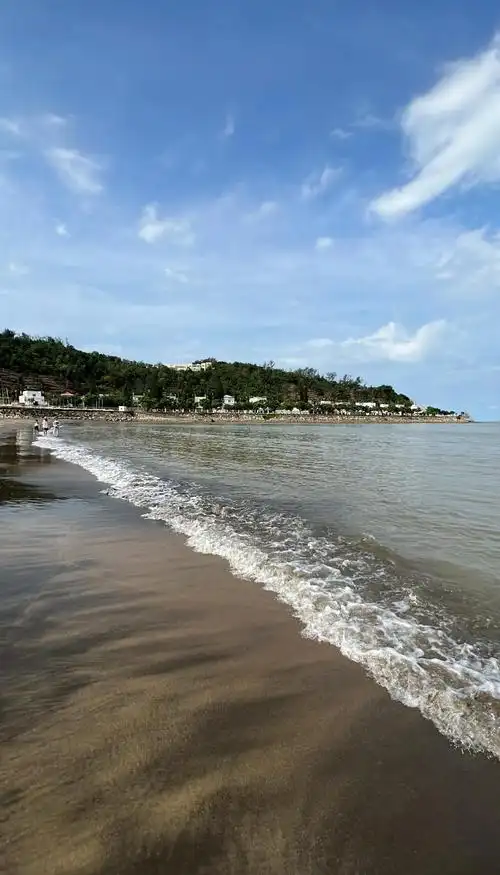 The black sand at Hac Sa is a geological curiosity that draws comparisons to Iceland's volcanic Reynisfjara or the rare dark beaches of Hawaii's Punalu'u. Unlike volcanic black sand, however, Macau's variety comes from glauconite—a greenish mineral that oxidizes to a deep charcoal hue after centuries of marine transport and deposition. This phenomenon is so uncommon globally that geologists and curious travelers make pilgrimages here to witness it firsthand, giving the beach a quietly prestigious reputation far beyond its modest scale.
Stretching roughly 1,350 meters long and 1,000 meters wide, the bay opens in a gentle half-moon arc with calm, shallow waters ideal for families. The well-maintained grounds include the Hac Sa Comprehensive Activity Centre, which offers paid access to a swimming pool, tennis courts, barbecue pits, a children's playground, and a youth hostel. Public showers and small food stalls selling grilled seafood and chilled drinks complete the laid-back resort atmosphere, making a full day easily possible.
The beach belongs to Coloane, a former fishing village that retains a sleepy, old-world charm rare in modern Macau. Travelers often pair a visit with stops at the butter-yellow St. Francis Xavier Church in the village square and the legendary Lord Stow's Bakery, birthplace of the famed Portuguese egg tart. From here, the easy Dragon's Claw Coast Trail leads hikers along dramatic sea cliffs and weathered rock formations, creating a perfect half-day escape from the urban rush.
Reaching the beach is straightforward: buses 15, 21A, 25, and 26A run directly from the Macau Peninsula and Taipa to the Hac Sa Beach stop, and free parking is available for drivers. The best window for visiting is between 4:00 and 7:00 PM, when the lowering sun softens the sky and transforms the dark sand into a shimmering mirror against the golden surf—an Instagram favorite, though the light has captivated painters and poets long before cameras existed.
A few practical tips will enhance the experience: wear dark clothing, as the sand clings stubbornly to lighter fabrics; avoid midday when the dark surface absorbs heat and becomes painfully hot to bare feet; and always heed lifeguard flags, as swimming after dark is strictly prohibited. Visitors should not be alarmed if parts of the beach appear yellow rather than black—erosion-control measures have temporarily covered some sections, and the famous dark grains lie just beneath. Despite these minor caveats, Hac Sa remains a delightful surprise: a reminder that Macau, long overshadowed by its gaming tables, still harbors genuine natural treasures well worth exploring.
The black sand at Hac Sa is a geological curiosity that draws comparisons to Iceland's volcanic Reynisfjara or the rare dark beaches of Hawaii's Punalu'u. Unlike volcanic black sand, however, Macau's variety comes from glauconite—a greenish mineral that oxidizes to a deep charcoal hue after centuries of marine transport and deposition. This phenomenon is so uncommon globally that geologists and curious travelers make pilgrimages here to witness it firsthand, giving the beach a quietly prestigious reputation far beyond its modest scale.
Stretching roughly 1,350 meters long and 1,000 meters wide, the bay opens in a gentle half-moon arc with calm, shallow waters ideal for families. The well-maintained grounds include the Hac Sa Comprehensive Activity Centre, which offers paid access to a swimming pool, tennis courts, barbecue pits, a children's playground, and a youth hostel. Public showers and small food stalls selling grilled seafood and chilled drinks complete the laid-back resort atmosphere, making a full day easily possible.
The beach belongs to Coloane, a former fishing village that retains a sleepy, old-world charm rare in modern Macau. Travelers often pair a visit with stops at the butter-yellow St. Francis Xavier Church in the village square and the legendary Lord Stow's Bakery, birthplace of the famed Portuguese egg tart. From here, the easy Dragon's Claw Coast Trail leads hikers along dramatic sea cliffs and weathered rock formations, creating a perfect half-day escape from the urban rush.
Reaching the beach is straightforward: buses 15, 21A, 25, and 26A run directly from the Macau Peninsula and Taipa to the Hac Sa Beach stop, and free parking is available for drivers. The best window for visiting is between 4:00 and 7:00 PM, when the lowering sun softens the sky and transforms the dark sand into a shimmering mirror against the golden surf—an Instagram favorite, though the light has captivated painters and poets long before cameras existed.
A few practical tips will enhance the experience: wear dark clothing, as the sand clings stubbornly to lighter fabrics; avoid midday when the dark surface absorbs heat and becomes painfully hot to bare feet; and always heed lifeguard flags, as swimming after dark is strictly prohibited. Visitors should not be alarmed if parts of the beach appear yellow rather than black—erosion-control measures have temporarily covered some sections, and the famous dark grains lie just beneath. Despite these minor caveats, Hac Sa remains a delightful surprise: a reminder that Macau, long overshadowed by its gaming tables, still harbors genuine natural treasures well worth exploring.