Water Curtain Cave
⭐ 3.80
Water Curtain Cave Scenic Area, Zhaosu County, Ili Prefecture, Xinjiang Uyghur Autonomous Region, China
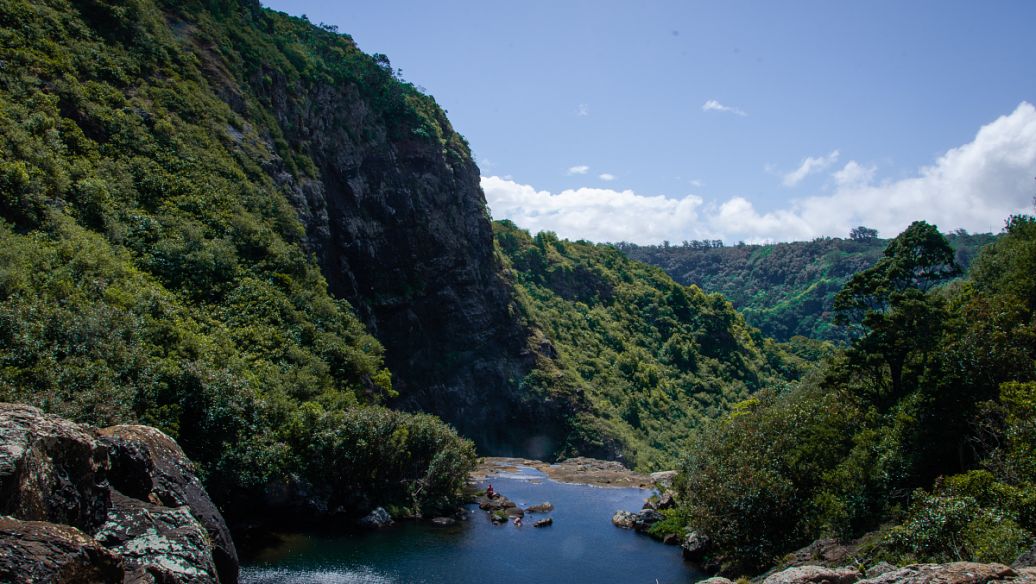 Unlike the dramatic karst caverns of Slovenia's Postojna or Kentucky's Mammoth Cave, Shuiliandong owes its existence not to subterranean rivers dissolving limestone over geological ages, but to a single surface waterfall relentlessly hollowing out its own rock shelter. The 20-metre cascade has gradually excavated a front-open, back-deep cavity roughly two metres wide, creating one of the few known "waterfall-through-cave" landscapes in all of northern Xinjiang. Geologists liken its formation to a slow-motion act of sculpting—a process familiar from Iceland's Goðafoss or Norway's waterfalls where water itself becomes the architect. Visitors stand where Kazakh herders have watched the same cascade for generations, listening to a thunderous voice that has shaped the rhythm of pastoral life in the Tian Shan.
Architecturally speaking, nature has done what cathedral builders aspired to: created a hollowed space where light, water, and stone converge into something almost sacred. In summer, the curtain of water catches the midday sun and refracts it into vivid rainbows—comparable in drama to the mist-bow displays at Niagara Falls but delivered in total solitude. In winter, the falls freeze into a translucent ice pillar reminiscent of Swiss alpine ice climbs or the frozen cascades of the Dolomites. The interior is too slick and unprotected for casual exploration, so visitors admire from the rim, where the thundering water juxtaposes sharply against the silent pine forests and emerald pastures beyond.
Culturally, the site sits deep in Kazakh territory, where semi-nomadic herding traditions persist much as they have for centuries across the Central Asian steppes—customs Western travellers may recognise from Mongolia's Naadam festivals or Kyrgyzstan's yurt camps. The waterfall's name derives from a Kazakh onomatopoeic verb imitating the sound "hua hua" of splashing water, reflecting the poetic sensibility of a people who translate natural phenomena into spoken music. Local families still graze livestock in surrounding valleys, and the falls feature in regional folklore as a dwelling of mountain spirits. The surrounding steppe offers cultural encounters far removed from the choreographed tourism of more developed Chinese parks.
Practical visiting requires genuine preparation. The site lies 55 kilometres from Zhaosu town along winding mountain roads that demand confident driving and a sturdy vehicle—self-driving is strongly advised. Entrance fees historically range from 30 to 50 yuan, though visitors should confirm current pricing. Opening hours typically run 9:30 a.m. to 6 p.m. Facilities are minimal: no restaurants, limited restrooms, and patchy mobile reception, so offline maps, drinking water, snacks, and warm layers are essential. The cave itself is off-limits, but the rim viewpoint delivers the full sensory impact—sound, spray, and the occasional rainbow—without risk.
The optimal window runs from June through September, when meltwater swells the falls and rainbows appear most reliably against a backdrop of wildflowers and cool mountain air. Winter visitors between December and February witness a different miracle: a frozen white cascade, though some access roads close and ice traction gear becomes mandatory. Pair a half-day here with neighbouring Zhaosu attractions—the famous "Heavenly Horses bathing in the river" spectacle, the wetland park, and the purple perilla flower fields—for a richly varied itinerary. Shuiliandong is not a place for ticking boxes but for sitting quietly, camera ready, while one of Xinjiang's best-kept hydrological secrets performs its ancient, unhurried show.
Unlike the dramatic karst caverns of Slovenia's Postojna or Kentucky's Mammoth Cave, Shuiliandong owes its existence not to subterranean rivers dissolving limestone over geological ages, but to a single surface waterfall relentlessly hollowing out its own rock shelter. The 20-metre cascade has gradually excavated a front-open, back-deep cavity roughly two metres wide, creating one of the few known "waterfall-through-cave" landscapes in all of northern Xinjiang. Geologists liken its formation to a slow-motion act of sculpting—a process familiar from Iceland's Goðafoss or Norway's waterfalls where water itself becomes the architect. Visitors stand where Kazakh herders have watched the same cascade for generations, listening to a thunderous voice that has shaped the rhythm of pastoral life in the Tian Shan.
Architecturally speaking, nature has done what cathedral builders aspired to: created a hollowed space where light, water, and stone converge into something almost sacred. In summer, the curtain of water catches the midday sun and refracts it into vivid rainbows—comparable in drama to the mist-bow displays at Niagara Falls but delivered in total solitude. In winter, the falls freeze into a translucent ice pillar reminiscent of Swiss alpine ice climbs or the frozen cascades of the Dolomites. The interior is too slick and unprotected for casual exploration, so visitors admire from the rim, where the thundering water juxtaposes sharply against the silent pine forests and emerald pastures beyond.
Culturally, the site sits deep in Kazakh territory, where semi-nomadic herding traditions persist much as they have for centuries across the Central Asian steppes—customs Western travellers may recognise from Mongolia's Naadam festivals or Kyrgyzstan's yurt camps. The waterfall's name derives from a Kazakh onomatopoeic verb imitating the sound "hua hua" of splashing water, reflecting the poetic sensibility of a people who translate natural phenomena into spoken music. Local families still graze livestock in surrounding valleys, and the falls feature in regional folklore as a dwelling of mountain spirits. The surrounding steppe offers cultural encounters far removed from the choreographed tourism of more developed Chinese parks.
Practical visiting requires genuine preparation. The site lies 55 kilometres from Zhaosu town along winding mountain roads that demand confident driving and a sturdy vehicle—self-driving is strongly advised. Entrance fees historically range from 30 to 50 yuan, though visitors should confirm current pricing. Opening hours typically run 9:30 a.m. to 6 p.m. Facilities are minimal: no restaurants, limited restrooms, and patchy mobile reception, so offline maps, drinking water, snacks, and warm layers are essential. The cave itself is off-limits, but the rim viewpoint delivers the full sensory impact—sound, spray, and the occasional rainbow—without risk.
The optimal window runs from June through September, when meltwater swells the falls and rainbows appear most reliably against a backdrop of wildflowers and cool mountain air. Winter visitors between December and February witness a different miracle: a frozen white cascade, though some access roads close and ice traction gear becomes mandatory. Pair a half-day here with neighbouring Zhaosu attractions—the famous "Heavenly Horses bathing in the river" spectacle, the wetland park, and the purple perilla flower fields—for a richly varied itinerary. Shuiliandong is not a place for ticking boxes but for sitting quietly, camera ready, while one of Xinjiang's best-kept hydrological secrets performs its ancient, unhurried show.