Tiger Roaring Rock
⭐ 4.60
Tiger Roaring Rock Scenic Area, Wuyishan National Tourism Resort, Wuyishan City, Nanping, Fujian Province, China
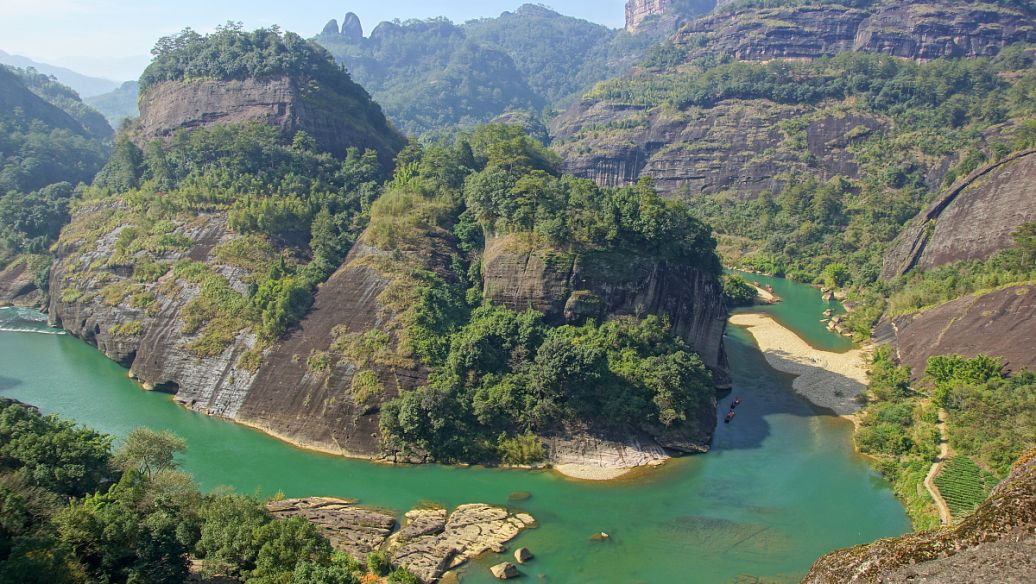 The Danxia formations of Mount Wuyi have been drawing scholars, poets, and pilgrims for over a millennium, earning the range UNESCO status in 1999 alongside peers such as Australia's Uluru and America's Grand Canyon in the pantheon of the world's most spectacular sandstone landscapes. The "Tiger Roaring" sound itself was first celebrated during the Qing dynasty, when literati inscribed the four characters "Hu Xi Ling Dong" (Spiritual Tiger Stream Cave) directly onto the cliff face—Qing-era carvings that still mark the spot today, much like Roman graffiti endures along Hadrian's Wall. Writers through the ages, from Song-dynasty philosophers to modern travelers, have left poems and inscriptions across these rocks, making Tiger Roaring Rock a rare meeting point of natural wonder and human reflection.
The Tiancheng Buddhist Temple, founded in the Ming dynasty, is a marvel of vernacular engineering that rivals the rock-hewn monasteries of Cappadocia and the cave dwellings of Matera. Builders left the cavern roof untouched, so the temple truly "uses not a single tile"—yet worshippers remain dry through typhoons and monsoons alike. Inside, a Qing-dynasty stone Guanyin appears to float against the cave wall, a sculptural effect that anticipates by centuries the dramatic tension found in Western sacred art.
The "Eight Views of Tiger Roaring"—including Jiyun Pass, Yuer Spring, Dingming Bridge, and Bulaing Boat—weave natural curiosities with literary allusions. The precarious Dingming Bridge, in particular, commands an unobstructed panorama of Mount Wuyi's sixteen principal peaks, a vista comparable to the rooftop views from Florence's Duomo or Santorini's cliffside chapels. Photographers will find this the single best vantage point on the mountain.
A visit requires the combined Mount Wuyi entrance ticket (no separate fee). The site's opening hours shift seasonally: 6:30 a.m. to 6:00 p.m. in summer, closing an hour earlier in winter. Arrive via the scenic shuttle bus to "Tiger Roaring Rock Station," or walk roughly five minutes from the bamboo-raft landing on the Nine-Bend Stream. Two routes ascend to the temple: the gentle "Poet Slope" tea path for casual strollers, and the punishing 340-step "Hero Slope" for those chasing a genuine mountaineering thrill—both meeting at the cliffside shrine.
Plan 1.5 to 2 hours on site. Sturdy, non-slip footwear is essential, especially between June and September when humidity soaks the steps. Those with a fear of heights or limited mobility can comfortably enjoy the temple complex at the base without attempting the upper staircase, where views and that signature wind-howling roar are equally rewarding.
The Danxia formations of Mount Wuyi have been drawing scholars, poets, and pilgrims for over a millennium, earning the range UNESCO status in 1999 alongside peers such as Australia's Uluru and America's Grand Canyon in the pantheon of the world's most spectacular sandstone landscapes. The "Tiger Roaring" sound itself was first celebrated during the Qing dynasty, when literati inscribed the four characters "Hu Xi Ling Dong" (Spiritual Tiger Stream Cave) directly onto the cliff face—Qing-era carvings that still mark the spot today, much like Roman graffiti endures along Hadrian's Wall. Writers through the ages, from Song-dynasty philosophers to modern travelers, have left poems and inscriptions across these rocks, making Tiger Roaring Rock a rare meeting point of natural wonder and human reflection.
The Tiancheng Buddhist Temple, founded in the Ming dynasty, is a marvel of vernacular engineering that rivals the rock-hewn monasteries of Cappadocia and the cave dwellings of Matera. Builders left the cavern roof untouched, so the temple truly "uses not a single tile"—yet worshippers remain dry through typhoons and monsoons alike. Inside, a Qing-dynasty stone Guanyin appears to float against the cave wall, a sculptural effect that anticipates by centuries the dramatic tension found in Western sacred art.
The "Eight Views of Tiger Roaring"—including Jiyun Pass, Yuer Spring, Dingming Bridge, and Bulaing Boat—weave natural curiosities with literary allusions. The precarious Dingming Bridge, in particular, commands an unobstructed panorama of Mount Wuyi's sixteen principal peaks, a vista comparable to the rooftop views from Florence's Duomo or Santorini's cliffside chapels. Photographers will find this the single best vantage point on the mountain.
A visit requires the combined Mount Wuyi entrance ticket (no separate fee). The site's opening hours shift seasonally: 6:30 a.m. to 6:00 p.m. in summer, closing an hour earlier in winter. Arrive via the scenic shuttle bus to "Tiger Roaring Rock Station," or walk roughly five minutes from the bamboo-raft landing on the Nine-Bend Stream. Two routes ascend to the temple: the gentle "Poet Slope" tea path for casual strollers, and the punishing 340-step "Hero Slope" for those chasing a genuine mountaineering thrill—both meeting at the cliffside shrine.
Plan 1.5 to 2 hours on site. Sturdy, non-slip footwear is essential, especially between June and September when humidity soaks the steps. Those with a fear of heights or limited mobility can comfortably enjoy the temple complex at the base without attempting the upper staircase, where views and that signature wind-howling roar are equally rewarding.