Hoh Xil Nature Reserve
⭐ 3.80
Hoh Xil Nature Reserve, Golmud City, Qinghai Province, China
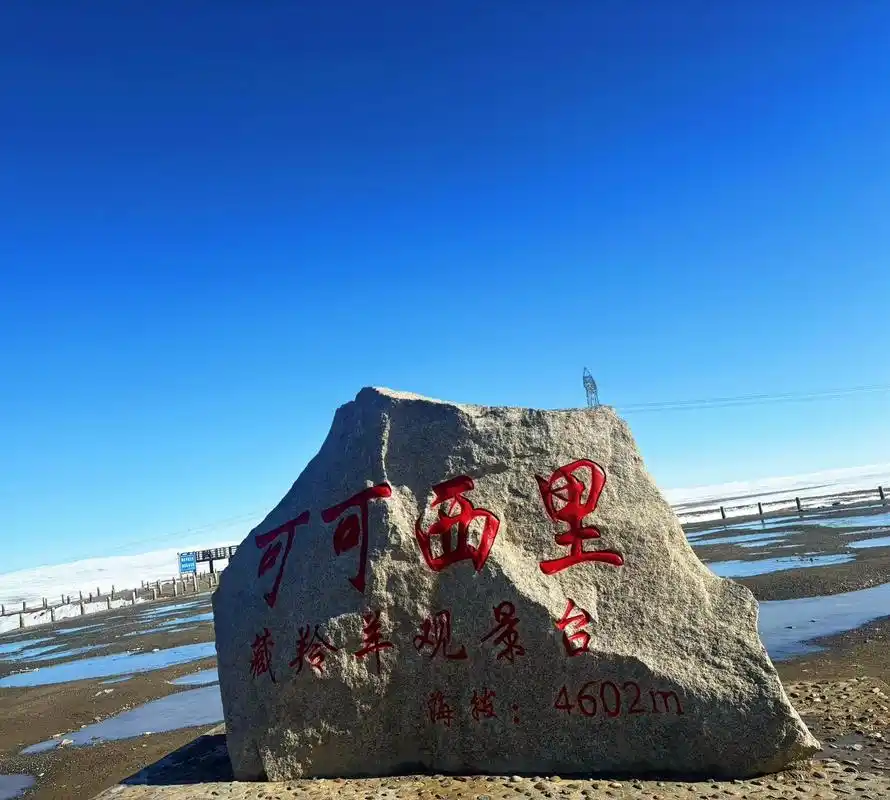 Hoh Xil sits at the heart of the Qinghai-Tibet Plateau, a vast expanse larger than the Netherlands and roughly equivalent in scale to Switzerland, yet home to virtually no permanent human population. Provincial protection began in 1995, with national designation following in 1997 and UNESCO World Heritage inscription in 2017, placing it alongside Yellowstone and the Serengeti as a planetary conservation treasure. The Mongolian name translates poetically as "Beautiful Girl," though modern visitors often liken the terrain to the lunar surface or the ice fields of Antarctica.
The reserve represents the last stronghold of the Tibetan antelope, whose populations once numbered in the millions before poaching for luxurious shawls drove them to the brink. Today, conservation here stands alongside efforts like Kenya's rhino protection and India's tiger reserves as a defining wildlife-success story. Beyond antelope, the ecosystem harbors wild yaks, Tibetan wild donkeys, snow leopards, and Tibetan foxes, traversing permafrost, alpine meadows, and salt lakes that have remained essentially unchanged for millennia.
The site's cultural weight deepens through the legacy of Sonam Dhargye, an anti-poaching ranger killed in 1994 while escorting detained hunters. His sacrifice inspired the internationally acclaimed 2004 film "Kekexili: Mountain Patrol," drawing comparisons to the conservation martyrdom celebrated in figures like Dian Fossey. The Sonam Dhargye Protection Station now anchors the ranger force, symbolizing a Chinese environmental consciousness that resonates globally.
Strict regulations govern access: only the G109 highway corridor allows viewing, with all off-road travel, overnight camping, and core-zone entry strictly prohibited. Private vehicles must register with local police in advance, and unauthorized entry carries heavy penalties plus full rescue-cost liability. The viewing experience itself resembles an African safari from sealed vehicles, where patience rewards travelers with distant sightings of herds traversing the stark plains.
Practical preparation is unforgiving: oxygen levels run below half those at sea level, August temperatures hover near freezing even in summer, and sudden hail or blizzard conditions arise without warning. Travelers should acclimatize one to two nights in Golmud (2,800 meters elevation) beforehand, carry medical oxygen, anti-altitude medication, and expedition-grade cold-weather clothing. Book through agencies supplying licensed ecological guides, emergency medical equipment, and official access permits.
Visit between July and August when newborn antelope cross the highway in their thousands, though recognize this coincides with peak monsoon risk. Lodging is unavailable inside the reserve, making Golmud the obligatory base. Hoh Xil rewards those prepared for genuine expedition conditions with what few landscapes on Earth can still offer: the privilege of witnessing an ecosystem nearly erased, now stubbornly alive.
Hoh Xil sits at the heart of the Qinghai-Tibet Plateau, a vast expanse larger than the Netherlands and roughly equivalent in scale to Switzerland, yet home to virtually no permanent human population. Provincial protection began in 1995, with national designation following in 1997 and UNESCO World Heritage inscription in 2017, placing it alongside Yellowstone and the Serengeti as a planetary conservation treasure. The Mongolian name translates poetically as "Beautiful Girl," though modern visitors often liken the terrain to the lunar surface or the ice fields of Antarctica.
The reserve represents the last stronghold of the Tibetan antelope, whose populations once numbered in the millions before poaching for luxurious shawls drove them to the brink. Today, conservation here stands alongside efforts like Kenya's rhino protection and India's tiger reserves as a defining wildlife-success story. Beyond antelope, the ecosystem harbors wild yaks, Tibetan wild donkeys, snow leopards, and Tibetan foxes, traversing permafrost, alpine meadows, and salt lakes that have remained essentially unchanged for millennia.
The site's cultural weight deepens through the legacy of Sonam Dhargye, an anti-poaching ranger killed in 1994 while escorting detained hunters. His sacrifice inspired the internationally acclaimed 2004 film "Kekexili: Mountain Patrol," drawing comparisons to the conservation martyrdom celebrated in figures like Dian Fossey. The Sonam Dhargye Protection Station now anchors the ranger force, symbolizing a Chinese environmental consciousness that resonates globally.
Strict regulations govern access: only the G109 highway corridor allows viewing, with all off-road travel, overnight camping, and core-zone entry strictly prohibited. Private vehicles must register with local police in advance, and unauthorized entry carries heavy penalties plus full rescue-cost liability. The viewing experience itself resembles an African safari from sealed vehicles, where patience rewards travelers with distant sightings of herds traversing the stark plains.
Practical preparation is unforgiving: oxygen levels run below half those at sea level, August temperatures hover near freezing even in summer, and sudden hail or blizzard conditions arise without warning. Travelers should acclimatize one to two nights in Golmud (2,800 meters elevation) beforehand, carry medical oxygen, anti-altitude medication, and expedition-grade cold-weather clothing. Book through agencies supplying licensed ecological guides, emergency medical equipment, and official access permits.
Visit between July and August when newborn antelope cross the highway in their thousands, though recognize this coincides with peak monsoon risk. Lodging is unavailable inside the reserve, making Golmud the obligatory base. Hoh Xil rewards those prepared for genuine expedition conditions with what few landscapes on Earth can still offer: the privilege of witnessing an ecosystem nearly erased, now stubbornly alive.