Juemulong Grassland
⭐ 4.30
Juemulong Grassland, Bayi District, Nyingchi City, Tibet Autonomous Region, China
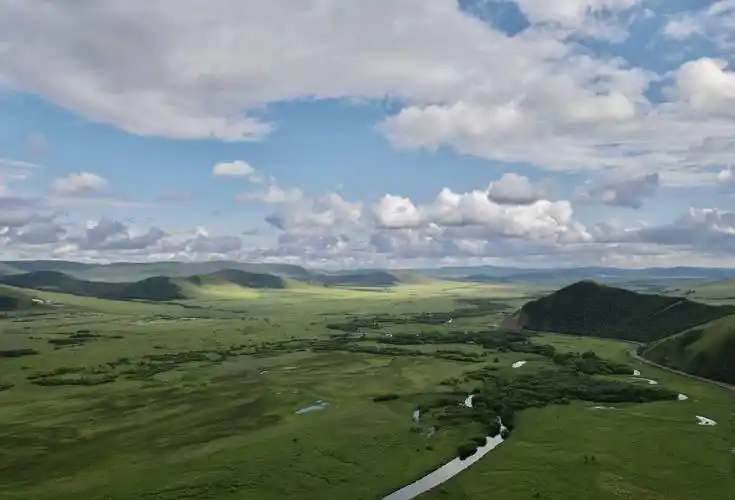 Juemulung Grassland occupies a singular place in the pastoral heritage of southeastern Tibet. For centuries, Tibetan nomads have moved their yaks, sheep, and horses across these fertile uplands in seasonal transhumance — a way of life as old as the Silk Road caravans that once threaded the plateau. The meadow itself remains essentially intact, much like the high Alpine alpages of Switzerland's Engadin Valley or the summer pastures still grazed in Austria's Tyrolean Alps. Visitors today encounter the same rhythms that have sustained Tibetan highlanders for generations, set against a backdrop of Himalayan giants that early European explorers like the Jesuit missionary Ippolito Desideri chronicled in the 18th century.
Geographically, Juemulung sits within Nyingchi's "oxygen-rich belt," where the lower elevation of Tibet's southeastern edge supports lusher vegetation than the stark northern steppes. Rolling meadows studded with wildflowers — edelweiss cousins, primulas, and alpine asters — stretch toward a serrated skyline of year-round snow peaks, often veiled in drifting cloud seas. Walking the gentle boardwalk trails, visitors move through an ecosystem largely free of over-development, comparable in feel to the protected Alpine meadows of Italy's Gran Paradiso National Park or New Zealand's remote tussocklands. By night, with virtually no light pollution, the Milky Way arches across the heavens in a spectacle that rivals the dark-sky reserves of Scandinavia.
The grassland's cultural draw lies in its intimate encounters with Tibetan pastoral life. Travelers can settle into a traditional white yak-hair tent — kin to the Mongolian ger — for an authentic lingka picnic, sipping butter tea and yak-milk chai while sampling hand-pulled mutton. Hands-on activities include milking yaks alongside herders, tending lambs, and unhurried pony treks across the meadow. These rituals echo the tent-dwelling traditions that 19th-century British explorers, including the botanist Joseph Hooker, marveled at during their Himalayan crossings. The experience offers something few high-altitude destinations can: genuine cultural immersion without staged performance.
Reaching Juemulung is refreshingly straightforward by Tibetan standards. The grassland lies roughly one hour's drive southeast of Nyingchi city via well-paved roads. Foreign visitors must obtain a Tibet Travel Permit through a licensed agency and travel with a certified guide — a regulation dating to the 1980s aimed at protecting both travelers and local communities. Within Nyingchi, reputable operators arrange half-day and full-day excursions, often combined with visits to nearby Tibetan villages and small sacred lakes. Lulang's famous stone-pot chicken makes an ideal post-tour meal back in town. Visitor facilities are modest — basic rest areas and herder-run refreshment tents — but mobile payment and foreign cards are increasingly accepted.
For travelers seeking the genuine article rather than a polished resort experience, Juemulung offers an honest Himalayan encounter at a gentler altitude than most Tibetan destinations. At roughly 3,300 meters, the climb from Nyingchi's 2,900-meter valley floor is gradual, making the site approachable for families and older travelers who might struggle on Lhasa's harsher plateau. Summer (June to September) brings the wildflower display, while spring and autumn offer clear skies and dramatic snow-capped horizons. Practical precautions include layered clothing for sharp temperature swings, sun protection, and caution around tall grass patches — the toxic wolf-poison flower and hidden marshy ground pose real hazards. A portable oxygen canister is wise insurance.
Juemulung Grassland occupies a singular place in the pastoral heritage of southeastern Tibet. For centuries, Tibetan nomads have moved their yaks, sheep, and horses across these fertile uplands in seasonal transhumance — a way of life as old as the Silk Road caravans that once threaded the plateau. The meadow itself remains essentially intact, much like the high Alpine alpages of Switzerland's Engadin Valley or the summer pastures still grazed in Austria's Tyrolean Alps. Visitors today encounter the same rhythms that have sustained Tibetan highlanders for generations, set against a backdrop of Himalayan giants that early European explorers like the Jesuit missionary Ippolito Desideri chronicled in the 18th century.
Geographically, Juemulung sits within Nyingchi's "oxygen-rich belt," where the lower elevation of Tibet's southeastern edge supports lusher vegetation than the stark northern steppes. Rolling meadows studded with wildflowers — edelweiss cousins, primulas, and alpine asters — stretch toward a serrated skyline of year-round snow peaks, often veiled in drifting cloud seas. Walking the gentle boardwalk trails, visitors move through an ecosystem largely free of over-development, comparable in feel to the protected Alpine meadows of Italy's Gran Paradiso National Park or New Zealand's remote tussocklands. By night, with virtually no light pollution, the Milky Way arches across the heavens in a spectacle that rivals the dark-sky reserves of Scandinavia.
The grassland's cultural draw lies in its intimate encounters with Tibetan pastoral life. Travelers can settle into a traditional white yak-hair tent — kin to the Mongolian ger — for an authentic lingka picnic, sipping butter tea and yak-milk chai while sampling hand-pulled mutton. Hands-on activities include milking yaks alongside herders, tending lambs, and unhurried pony treks across the meadow. These rituals echo the tent-dwelling traditions that 19th-century British explorers, including the botanist Joseph Hooker, marveled at during their Himalayan crossings. The experience offers something few high-altitude destinations can: genuine cultural immersion without staged performance.
Reaching Juemulung is refreshingly straightforward by Tibetan standards. The grassland lies roughly one hour's drive southeast of Nyingchi city via well-paved roads. Foreign visitors must obtain a Tibet Travel Permit through a licensed agency and travel with a certified guide — a regulation dating to the 1980s aimed at protecting both travelers and local communities. Within Nyingchi, reputable operators arrange half-day and full-day excursions, often combined with visits to nearby Tibetan villages and small sacred lakes. Lulang's famous stone-pot chicken makes an ideal post-tour meal back in town. Visitor facilities are modest — basic rest areas and herder-run refreshment tents — but mobile payment and foreign cards are increasingly accepted.
For travelers seeking the genuine article rather than a polished resort experience, Juemulung offers an honest Himalayan encounter at a gentler altitude than most Tibetan destinations. At roughly 3,300 meters, the climb from Nyingchi's 2,900-meter valley floor is gradual, making the site approachable for families and older travelers who might struggle on Lhasa's harsher plateau. Summer (June to September) brings the wildflower display, while spring and autumn offer clear skies and dramatic snow-capped horizons. Practical precautions include layered clothing for sharp temperature swings, sun protection, and caution around tall grass patches — the toxic wolf-poison flower and hidden marshy ground pose real hazards. A portable oxygen canister is wise insurance.