Mount Namcha Barwa
⭐ 4.80
Namcha Barwa Peak Nature Reserve, Bomi County, Nyingchi City, Tibet Autonomous Region, China
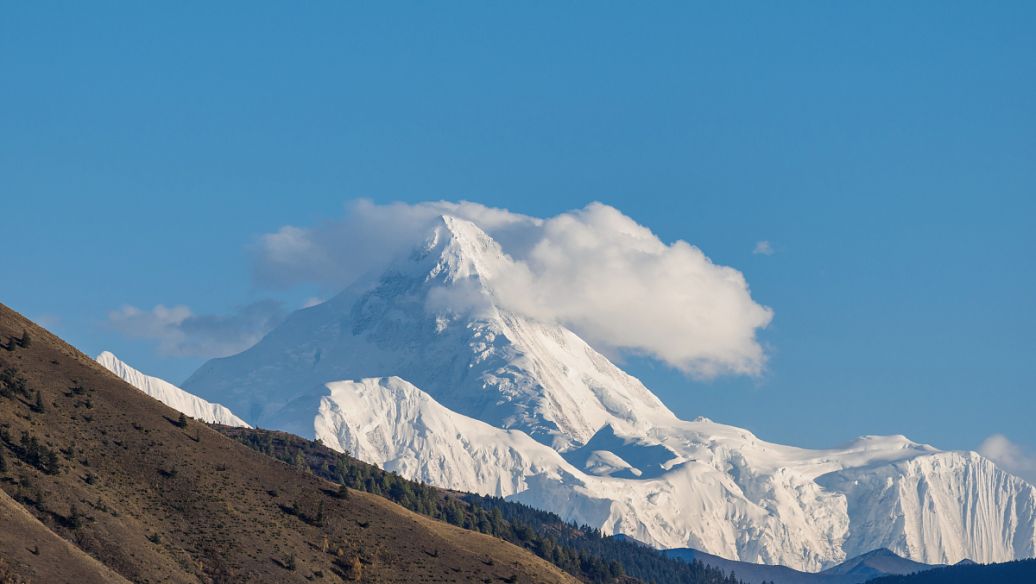 Rising 7,782 meters above sea level, Namcha Barwa is the eastern anchor of the Himalayan range, surpassing Europe's Mont Blanc (4,808 m) by nearly three kilometers. To put it in perspective, it towers over the Matterhorn like the Matterhorn does over an Alpine foothill. The Tibetan name, "Namcha Barwa," means "a spear thrust into the azure sky," reflecting the awe of ancient peoples who regarded it as the weapon of a wrathful war deity. In 2010, National Geographic China recognized it as China's most beautiful peak, and climbers worldwide now consider it among the most challenging and remote of the 8,000-meter-class objectives.
The peak dominates the Yarlung Tsangpo Grand Canyon, which at 5,382 meters deep surpasses even Peru's Colca Canyon and North America's Grand Canyon in vertical relief. Within a single horizontal span, ecosystems cascade from steamy subtropical rainforest to permanent ice and snow—a natural museum rivaling the vertical zonation of the Andes. This dramatic backdrop has made the area a magnet for filmmakers and nature documentarians seeking Earth's rawest landscapes.
Culturally, Namcha Barwa holds a place comparable to Mount Olympus in Greek tradition or the sacred peaks of Shinto Japan. Local Tibetans, along with the Lhoba and Monpa minorities, perform annual autumn rituals of burning juniper incense and circumambulating the mountain's base, offering butter, scarves, and prayers for prosperity. Villages such as Susong and Zhibai preserve these customs alongside warm hospitality, allowing visitors rare insight into traditions that have endured for centuries.
The best visiting window runs from October through April. Winter brings the highest odds of clear skies and the legendary "Golden Sunset on the Snow"—a fleeting moment when alpenglow ignites the summit in fiery orange. From March to April, peach and wild apricot blossoms bloom in the river valleys, framing the white peak in pink—an image beloved by photographers and often compared to Japan's iconic Mount Fuji with sakura, but on a far grander scale. July and August, the monsoon season, leaves only a 10% chance of viewing the full summit.
Practical planning is essential. Multiple viewpoints serve different interests: Susong Village offers close-up, intimate framing with peach blossoms; the Segrila Pass along the legendary National Highway 318 (the same route followed by overlanders from Shanghai to the Tibetan Plateau) provides a classic panoramic vista; and the Zhibai Canyon platforms reward adventurous hikers. Because Linzhi lies in a sensitive border zone, all foreign visitors must arrange a Tibet Travel Permit and a Military Area Entry Permit in advance through an authorized agency.
Altitude acclimatization is non-negotiable—at nearly 3,000 meters, even Linzhi town can cause headaches and shortness of breath, and Diamox or similar medication is widely recommended. Travelers should also respect local etiquette: speak softly near sacred sites, never point at the mountain with a single finger, ask before photographing villagers, and refrain from touching religious objects. With proper preparation, a journey to Namcha Barwa rewards visitors with a rare combination of geological wonder, living spiritual tradition, and the kind of silence found only in the planet's last wild places.
Rising 7,782 meters above sea level, Namcha Barwa is the eastern anchor of the Himalayan range, surpassing Europe's Mont Blanc (4,808 m) by nearly three kilometers. To put it in perspective, it towers over the Matterhorn like the Matterhorn does over an Alpine foothill. The Tibetan name, "Namcha Barwa," means "a spear thrust into the azure sky," reflecting the awe of ancient peoples who regarded it as the weapon of a wrathful war deity. In 2010, National Geographic China recognized it as China's most beautiful peak, and climbers worldwide now consider it among the most challenging and remote of the 8,000-meter-class objectives.
The peak dominates the Yarlung Tsangpo Grand Canyon, which at 5,382 meters deep surpasses even Peru's Colca Canyon and North America's Grand Canyon in vertical relief. Within a single horizontal span, ecosystems cascade from steamy subtropical rainforest to permanent ice and snow—a natural museum rivaling the vertical zonation of the Andes. This dramatic backdrop has made the area a magnet for filmmakers and nature documentarians seeking Earth's rawest landscapes.
Culturally, Namcha Barwa holds a place comparable to Mount Olympus in Greek tradition or the sacred peaks of Shinto Japan. Local Tibetans, along with the Lhoba and Monpa minorities, perform annual autumn rituals of burning juniper incense and circumambulating the mountain's base, offering butter, scarves, and prayers for prosperity. Villages such as Susong and Zhibai preserve these customs alongside warm hospitality, allowing visitors rare insight into traditions that have endured for centuries.
The best visiting window runs from October through April. Winter brings the highest odds of clear skies and the legendary "Golden Sunset on the Snow"—a fleeting moment when alpenglow ignites the summit in fiery orange. From March to April, peach and wild apricot blossoms bloom in the river valleys, framing the white peak in pink—an image beloved by photographers and often compared to Japan's iconic Mount Fuji with sakura, but on a far grander scale. July and August, the monsoon season, leaves only a 10% chance of viewing the full summit.
Practical planning is essential. Multiple viewpoints serve different interests: Susong Village offers close-up, intimate framing with peach blossoms; the Segrila Pass along the legendary National Highway 318 (the same route followed by overlanders from Shanghai to the Tibetan Plateau) provides a classic panoramic vista; and the Zhibai Canyon platforms reward adventurous hikers. Because Linzhi lies in a sensitive border zone, all foreign visitors must arrange a Tibet Travel Permit and a Military Area Entry Permit in advance through an authorized agency.
Altitude acclimatization is non-negotiable—at nearly 3,000 meters, even Linzhi town can cause headaches and shortness of breath, and Diamox or similar medication is widely recommended. Travelers should also respect local etiquette: speak softly near sacred sites, never point at the mountain with a single finger, ask before photographing villagers, and refrain from touching religious objects. With proper preparation, a journey to Namcha Barwa rewards visitors with a rare combination of geological wonder, living spiritual tradition, and the kind of silence found only in the planet's last wild places.