Ceramic Art Museum
⭐ 3.80
Taoxichuan Cultural Creative Block, Zhushan District, Jingdezhen City, Jiangxi Province, China
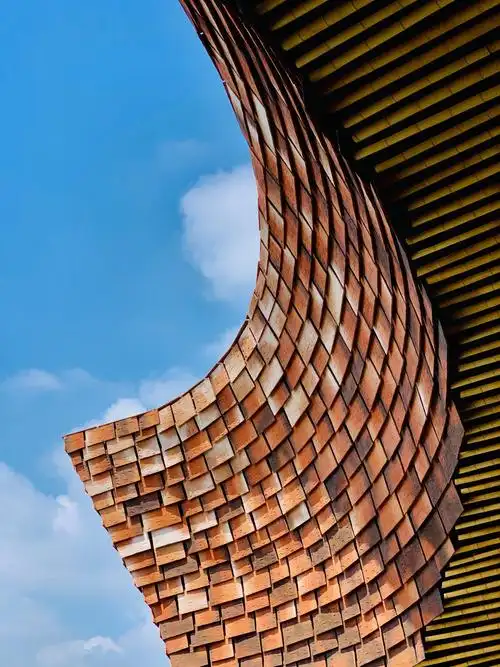 For over a thousand years, Jingdezhen has been China's porcelain capital, supplying emperors with the coveted "white gold" that once captivated Europe's royal courts and even inspired the name of Meissen. While the city's China Ceramic Museum preserves this imperial heritage with dynasties of imperial kiln treasures, the Ceramic Art Gallery takes a deliberately modern approach. Founded in 2012 as a public cultural institution, it focuses exclusively on the work of contemporary ceramic artists, hosting frequently refreshed exhibitions that follow current aesthetic trends. Think of it less as a museum and more as a living art space, comparable in spirit to London's Design Museum or Stockholm's contemporary craft galleries.
The main gallery occupies approximately 5,000 square meters on Zhushan Avenue, with four exhibition halls comprising 2,100 square meters of display space. The layout combines permanent displays with curated temporary shows, complemented by a ceramics workshop, an artist studio, and a lecture hall. Two additional venues—Xinping Hall as a research and creation base and Changnan Hall as an exchange platform—create a multi-layered presentation system. The serene lakeside setting beside Changnan Lake makes the campus itself a pleasant destination, framing the buildings within landscaped grounds that echo traditional Chinese garden design principles.
Beyond its exhibition role, the gallery serves as a vital platform for global ceramic dialogue, regularly staging Sino-Korean exchanges and themed shows exploring innovations in colored glazes and contemporary forms. This positions Jingdezhen not merely as a guardian of ancient craft but as an active participant in the global contemporary craft movement—similar to how Stoke-on-Trent has reinvented itself as a creative hub alongside its industrial pottery heritage. For researchers, artists, and curious travelers, it offers an essential window into how a 1,000-year-old craft tradition continues evolving in the 21st century.
Admission is free, with doors open Tuesday through Sunday from 9:00 to 17:00 (last entry 16:30); the gallery is closed on Mondays except during Chinese public holidays. Bilingual Chinese-English signage guides visitors through the halls. The address is 1979 Zhushan Avenue. Note that travelers sometimes confuse this venue with the Jingdezhen China Ceramic Museum (on Zijin North Road in Changjiang District) or Beijing's China Arts and Crafts Museum—be sure to confirm your destination before setting out.
Before visiting, check the official website or WeChat public account for current exhibitions, as the gallery's rotating program means visits without special shows can feel sparse. A standard visit takes 60 to 90 minutes, but those wishing to try wheel-throwing or painted-glaze DIY workshops should reserve in advance or ask about availability at reception. Travelers with more time should pair the gallery with the adjacent Ancient Kiln Folk Customs Park, where master craftsmen demonstrate intangible heritage techniques, or cross town to the China Ceramic Museum for the full chronological story of the "Porcelain Capital."
For over a thousand years, Jingdezhen has been China's porcelain capital, supplying emperors with the coveted "white gold" that once captivated Europe's royal courts and even inspired the name of Meissen. While the city's China Ceramic Museum preserves this imperial heritage with dynasties of imperial kiln treasures, the Ceramic Art Gallery takes a deliberately modern approach. Founded in 2012 as a public cultural institution, it focuses exclusively on the work of contemporary ceramic artists, hosting frequently refreshed exhibitions that follow current aesthetic trends. Think of it less as a museum and more as a living art space, comparable in spirit to London's Design Museum or Stockholm's contemporary craft galleries.
The main gallery occupies approximately 5,000 square meters on Zhushan Avenue, with four exhibition halls comprising 2,100 square meters of display space. The layout combines permanent displays with curated temporary shows, complemented by a ceramics workshop, an artist studio, and a lecture hall. Two additional venues—Xinping Hall as a research and creation base and Changnan Hall as an exchange platform—create a multi-layered presentation system. The serene lakeside setting beside Changnan Lake makes the campus itself a pleasant destination, framing the buildings within landscaped grounds that echo traditional Chinese garden design principles.
Beyond its exhibition role, the gallery serves as a vital platform for global ceramic dialogue, regularly staging Sino-Korean exchanges and themed shows exploring innovations in colored glazes and contemporary forms. This positions Jingdezhen not merely as a guardian of ancient craft but as an active participant in the global contemporary craft movement—similar to how Stoke-on-Trent has reinvented itself as a creative hub alongside its industrial pottery heritage. For researchers, artists, and curious travelers, it offers an essential window into how a 1,000-year-old craft tradition continues evolving in the 21st century.
Admission is free, with doors open Tuesday through Sunday from 9:00 to 17:00 (last entry 16:30); the gallery is closed on Mondays except during Chinese public holidays. Bilingual Chinese-English signage guides visitors through the halls. The address is 1979 Zhushan Avenue. Note that travelers sometimes confuse this venue with the Jingdezhen China Ceramic Museum (on Zijin North Road in Changjiang District) or Beijing's China Arts and Crafts Museum—be sure to confirm your destination before setting out.
Before visiting, check the official website or WeChat public account for current exhibitions, as the gallery's rotating program means visits without special shows can feel sparse. A standard visit takes 60 to 90 minutes, but those wishing to try wheel-throwing or painted-glaze DIY workshops should reserve in advance or ask about availability at reception. Travelers with more time should pair the gallery with the adjacent Ancient Kiln Folk Customs Park, where master craftsmen demonstrate intangible heritage techniques, or cross town to the China Ceramic Museum for the full chronological story of the "Porcelain Capital."