Coffee Plantation
⭐ 4.60
Baoshan City, Yunnan Province, China
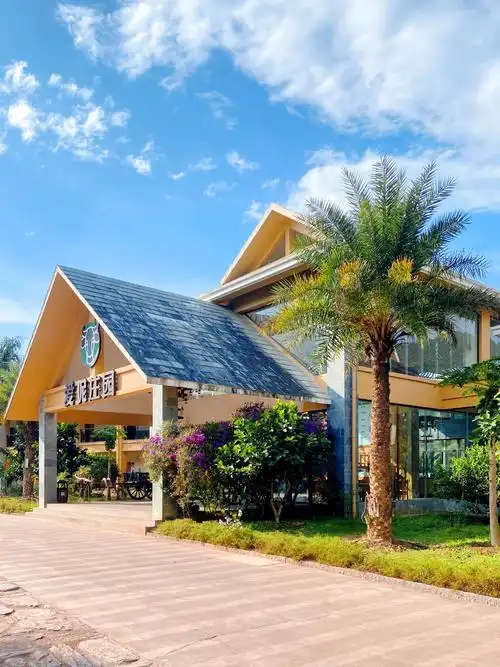 Baoshan's small-bean Arabica story began in the 1950s, when cultivators planted experimental plots in the sheltered, sun-baked Lujiangba basin. Much like Tuscany's Chianti region or France's Rhône Valley, this stretch of southwestern Yunnan has the terroir — volcanic soil, dry heat, sharp day-night temperature swings — that Arabica cherries crave. Over seven decades, the area evolved from trial plots to a fully integrated coffee industry, and Xinzhai Village earned its title as the birthplace of Chinese specialty coffee.
The estates sit on a narrow alluvial shelf wedged between Mount Gaoligong and the plunging Nujiang Grand Canyon, at elevations favored by fine Arabica. Comparable to Colombia's Huila highlands or Jamaica's Blue Mountains, the microclimate yields beans prized for their layered fruit, chocolate, and floral notes. Walking the groves, you'll spot heritage varietals — Typica, Yellow Bourbon, Geisha — alongside native trees that shelter bees and birds, a reminder that great coffee depends on a living ecosystem.
What sets Baoshan apart is the chance to engage with every stage of production. Visitors join seasonal pickers in the cherry-red harvest, sort and parchment the beans, learn the roast curve at a copper-drum roaster, then pull their first proper espresso or hand-pour cup under the guidance of trained baristas. Several estates offer extras like roasting certifications, coffee-infused spa treatments, and even "adopt-a-tree" programs, where guests track their personal lot from blossom to brew.
Dining here is an education in itself: chefs fold locally grown coffee into slow-braised chicken, panna cotta, and rich chocolate desserts, pairing the bitter edge of the bean with Yunnan's wild mushrooms and tropical fruit. For an immersive stay, book a coffee-themed wellness bungalow, where evenings bring "star-talks over coffee" — sipping a fresh pour while the Milky Way spills across the unpolluted skies above the Gaoligong range.
The estates welcome visitors year-round, but November through March is harvest season, when the slopes blush red and pickers are busiest. The easiest access is by private car from Baoshan city, about an hour's drive; a guided loop linking Xinzhai, Gongjiang Estate, and Huke Estate covers the essentials in a day, while two days allows time for a dawn hike, a proper roasting class, and an unhurried soak in a coffee-scented hot spring. Booking experiences in advance is strongly recommended, particularly during the harvest window.
Baoshan's small-bean Arabica story began in the 1950s, when cultivators planted experimental plots in the sheltered, sun-baked Lujiangba basin. Much like Tuscany's Chianti region or France's Rhône Valley, this stretch of southwestern Yunnan has the terroir — volcanic soil, dry heat, sharp day-night temperature swings — that Arabica cherries crave. Over seven decades, the area evolved from trial plots to a fully integrated coffee industry, and Xinzhai Village earned its title as the birthplace of Chinese specialty coffee.
The estates sit on a narrow alluvial shelf wedged between Mount Gaoligong and the plunging Nujiang Grand Canyon, at elevations favored by fine Arabica. Comparable to Colombia's Huila highlands or Jamaica's Blue Mountains, the microclimate yields beans prized for their layered fruit, chocolate, and floral notes. Walking the groves, you'll spot heritage varietals — Typica, Yellow Bourbon, Geisha — alongside native trees that shelter bees and birds, a reminder that great coffee depends on a living ecosystem.
What sets Baoshan apart is the chance to engage with every stage of production. Visitors join seasonal pickers in the cherry-red harvest, sort and parchment the beans, learn the roast curve at a copper-drum roaster, then pull their first proper espresso or hand-pour cup under the guidance of trained baristas. Several estates offer extras like roasting certifications, coffee-infused spa treatments, and even "adopt-a-tree" programs, where guests track their personal lot from blossom to brew.
Dining here is an education in itself: chefs fold locally grown coffee into slow-braised chicken, panna cotta, and rich chocolate desserts, pairing the bitter edge of the bean with Yunnan's wild mushrooms and tropical fruit. For an immersive stay, book a coffee-themed wellness bungalow, where evenings bring "star-talks over coffee" — sipping a fresh pour while the Milky Way spills across the unpolluted skies above the Gaoligong range.
The estates welcome visitors year-round, but November through March is harvest season, when the slopes blush red and pickers are busiest. The easiest access is by private car from Baoshan city, about an hour's drive; a guided loop linking Xinzhai, Gongjiang Estate, and Huke Estate covers the essentials in a day, while two days allows time for a dawn hike, a proper roasting class, and an unhurried soak in a coffee-scented hot spring. Booking experiences in advance is strongly recommended, particularly during the harvest window.