Jingmai Mountain Ancient Tea Forest
⭐ 4.80
Jingmai Mountain Ancient Tea Forest Scenic Area, Lancang Lahu Autonomous County, Pu'er City, Yunnan Province, China
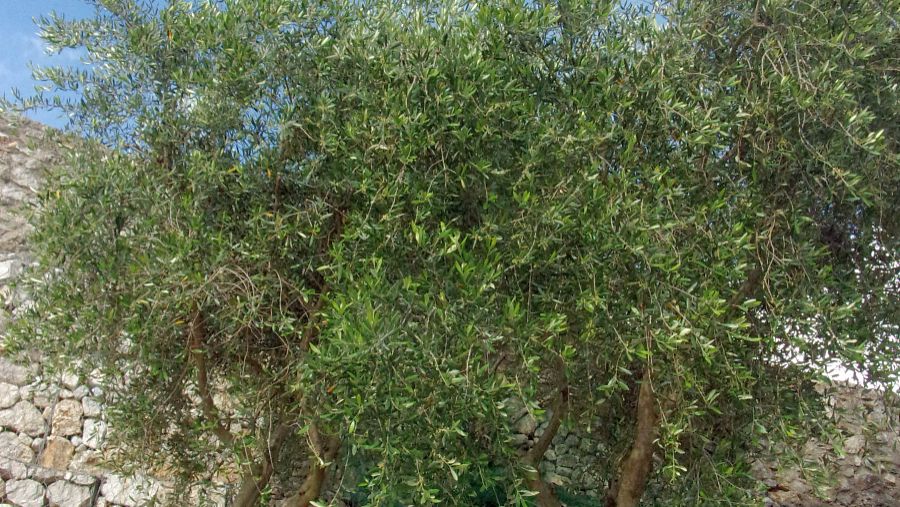 Jingmai's tea cultivation began in the 10th century—roughly contemporary with the founding of England's Anglo-Saxon kingdoms and well before Marco Polo's journals would ever mention Chinese tea to European readers. In September 2023, the "Cultural Landscape of Old Tea Forests of the Jingmai Mountain in Pu'er" joined UNESCO's World Heritage List, becoming China's 57th inscribed site and the planet's first heritage listing focused on tea. At roughly 1,180 hectares with over 3.2 million ancient tea trees, it is the world's largest and best-preserved example of human-cultivated ancient tea forest—a feat of agricultural heritage on par with the Douro Valley's terraced vineyards or Tuscany's cypress-lined estates.
Nine traditional villages weave together wooden stilt houses, Buddhist temples, and sacred village centers in a manner reminiscent of Europe's remote highland communities—perhaps an Alpine hamlet in the Pyrenees or a Berber settlement in Morocco's Atlas Mountains. The Bulang hamlet of Wengji and the Dai village of Nuogan stand out as particularly atmospheric; Nuogan's tidy lanes of thatched roofs have appeared in several television dramas. Perched on a hilltop, the Manghong Octagonal Pagoda—now a protected cultural relic—is the rare spot where visitors can witness sunrise, sunset, and rolling cloud sea from a single vantage point.
For the Bulang, tea is a sacred gift from ancestors; for the Dai, the mountain itself is divine. Together, the two peoples have refined a "forest-tea symbiosis" over a thousand years—an ecological philosophy that anticipates modern permaculture and rewilding by centuries. Travelers can encounter living intangible heritage: hand-rolling tea in traditional kilns, sipping fire-roasted brews beside a village elder, or timing a visit to coincide with the Shankang Tea Ancestor Festival. Jingmai is, in essence, an open-air museum of southwestern China's highland agriculture, where the dialogue between people and landscape has continued unbroken across roughly a hundred generations.
Sitting between 1,400 and 1,600 meters in elevation, with forest cover exceeding 90 percent, Jingmai enjoys summer temperatures around 24°C and some of the highest concentrations of negative oxygen ions in China. The summer monsoon summons billowing clouds that swallow entire valleys, while autumn produces a stable, painterly cloud sea—comparable in drama to the mists of Scotland's Isle of Skye, yet warmer and cloaked in subtropical forest. The legendary "Bee God Tree," an enormous strangling fig crowning Mangjing Upper Village, has grown into a forest of its own and now serves as Jingmai's most photographed natural landmark.
Jingmai sits in Huimin Township, Lancang Lahu Autonomous County, within Pu'er City. Fly into Pu'er Simao Airport or the newer Lancang Jingmai Airport, then continue by shared minibus or rental vehicle—the latter only recommended for experienced mountain drivers, as switchbacks are relentless. Plan three days and two nights, ideally between March and May for the spring harvest or September and October for clear skies and stable cloud seas. Free advance reservation is now required; foreign visitors must register in person at the Jingmai Bridge comprehensive service point with their original passport.
A few local courtesies matter: ancient tea trees are strictly off-limits for picking, ritual areas demand quiet, and always ask before photographing villagers. The entire area is a no-fire zone—no cigarettes, no camp stoves, no camping. Pack sturdy hiking shoes and a windproof layer; evenings cool sharply at altitude. Buy tea only from licensed shops carrying traceability QR codes—roadside "thousand-year ancient tree" claims are rarely genuine. Some boutique homestays offer basic English; confirm in advance and carry an offline translation app. Few places on Earth let you wander through a working agricultural landscape older than the Norman Conquest, then sit down for a cup of pu'er pressed from trees planted a millennium ago.
Jingmai's tea cultivation began in the 10th century—roughly contemporary with the founding of England's Anglo-Saxon kingdoms and well before Marco Polo's journals would ever mention Chinese tea to European readers. In September 2023, the "Cultural Landscape of Old Tea Forests of the Jingmai Mountain in Pu'er" joined UNESCO's World Heritage List, becoming China's 57th inscribed site and the planet's first heritage listing focused on tea. At roughly 1,180 hectares with over 3.2 million ancient tea trees, it is the world's largest and best-preserved example of human-cultivated ancient tea forest—a feat of agricultural heritage on par with the Douro Valley's terraced vineyards or Tuscany's cypress-lined estates.
Nine traditional villages weave together wooden stilt houses, Buddhist temples, and sacred village centers in a manner reminiscent of Europe's remote highland communities—perhaps an Alpine hamlet in the Pyrenees or a Berber settlement in Morocco's Atlas Mountains. The Bulang hamlet of Wengji and the Dai village of Nuogan stand out as particularly atmospheric; Nuogan's tidy lanes of thatched roofs have appeared in several television dramas. Perched on a hilltop, the Manghong Octagonal Pagoda—now a protected cultural relic—is the rare spot where visitors can witness sunrise, sunset, and rolling cloud sea from a single vantage point.
For the Bulang, tea is a sacred gift from ancestors; for the Dai, the mountain itself is divine. Together, the two peoples have refined a "forest-tea symbiosis" over a thousand years—an ecological philosophy that anticipates modern permaculture and rewilding by centuries. Travelers can encounter living intangible heritage: hand-rolling tea in traditional kilns, sipping fire-roasted brews beside a village elder, or timing a visit to coincide with the Shankang Tea Ancestor Festival. Jingmai is, in essence, an open-air museum of southwestern China's highland agriculture, where the dialogue between people and landscape has continued unbroken across roughly a hundred generations.
Sitting between 1,400 and 1,600 meters in elevation, with forest cover exceeding 90 percent, Jingmai enjoys summer temperatures around 24°C and some of the highest concentrations of negative oxygen ions in China. The summer monsoon summons billowing clouds that swallow entire valleys, while autumn produces a stable, painterly cloud sea—comparable in drama to the mists of Scotland's Isle of Skye, yet warmer and cloaked in subtropical forest. The legendary "Bee God Tree," an enormous strangling fig crowning Mangjing Upper Village, has grown into a forest of its own and now serves as Jingmai's most photographed natural landmark.
Jingmai sits in Huimin Township, Lancang Lahu Autonomous County, within Pu'er City. Fly into Pu'er Simao Airport or the newer Lancang Jingmai Airport, then continue by shared minibus or rental vehicle—the latter only recommended for experienced mountain drivers, as switchbacks are relentless. Plan three days and two nights, ideally between March and May for the spring harvest or September and October for clear skies and stable cloud seas. Free advance reservation is now required; foreign visitors must register in person at the Jingmai Bridge comprehensive service point with their original passport.
A few local courtesies matter: ancient tea trees are strictly off-limits for picking, ritual areas demand quiet, and always ask before photographing villagers. The entire area is a no-fire zone—no cigarettes, no camp stoves, no camping. Pack sturdy hiking shoes and a windproof layer; evenings cool sharply at altitude. Buy tea only from licensed shops carrying traceability QR codes—roadside "thousand-year ancient tree" claims are rarely genuine. Some boutique homestays offer basic English; confirm in advance and carry an offline translation app. Few places on Earth let you wander through a working agricultural landscape older than the Norman Conquest, then sit down for a cup of pu'er pressed from trees planted a millennium ago.