Pu'er Tea Museum
⭐ 3.50
Simao District, Pu'er City, Yunnan Province, China
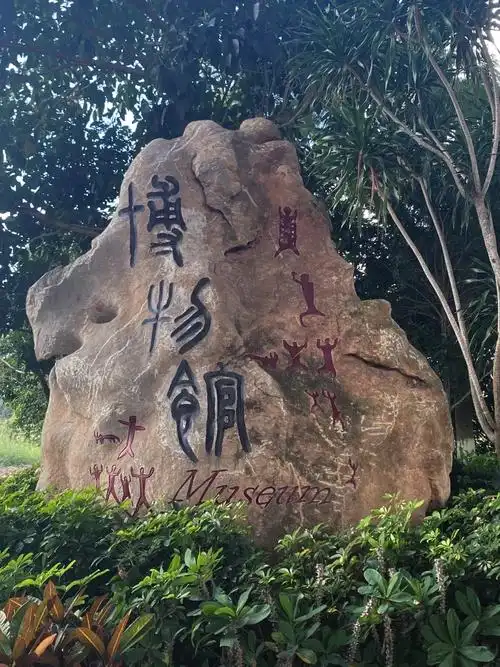 Housed within the larger Pu'er City Museum, the Tea Museum occupies a thoughtfully designed exhibition hall where warm timber tones, subtle tea-leaf motifs, and soft lighting create an atmosphere reminiscent of a refined European tea salon rather than a typical Asian museum. Visitors step inside and immediately sense a hush, as though entering the reading room of a centuries-old European library. The aesthetic deliberately channels the contemplative spirit of tea culture, allowing even first-time visitors to settle into the experience before reading a single panel.
The exhibition traces an ambitious narrative arc, beginning with the ancient domestication of wild tea trees in Yunnan's misty mountains and continuing through to today's vast global Pu'er industry. Along the way, ancient manuscripts, weathered tea-making implements, and aged tea cakes tell the story of the Tea Horse Road, that extraordinary network of mountain caravan routes which, much like the Silk Road, linked imperial China with Tibet, Southeast Asia, and beyond. Displays on local ethnic groups, including the Hani, Dai, and Yi peoples, reveal how tea drinking functioned as both daily ritual and social cornerstone, offering parallels to coffeehouse culture in 18th-century Vienna or London.
A team of trained volunteer docents provides free guided tours tailored to each audience, whether curious tourists, school groups, or serious tea enthusiasts. Their storytelling transforms dense historical material into approachable, often entertaining narratives, making the museum an excellent starting point for visitors with little prior knowledge of Chinese tea. The explanations also help contextualize Pu'er's modern reputation as a luxury collector's item alongside fine wines and single-malt whiskies.
Every Friday afternoon, the museum hosts a rotating program of free hands-on workshops, the highlight of the week for many visitors. These include Song Dynasty-style whisked tea ceremonies, blind tea tastings that train the palate like a sommelier session, and lacquer fan painting inspired by intangible cultural heritage traditions. Spaces are limited and advance online booking through the museum's official channels is strongly recommended, particularly for families and younger travelers who want to move beyond static display cases.
Beyond the tea galleries, the museum connects seamlessly to neighboring halls covering regional ethnic cultures and revolutionary history, allowing visitors to absorb the broader story of Pu'er in a single visit. Admission is free to all, though photo restrictions may apply in certain galleries. Plan to spend two to three hours for a relaxed exploration, and consider pairing the visit with a trip to one of the surrounding ancient tea gardens where some of the museum's oldest relics originally grew.
Housed within the larger Pu'er City Museum, the Tea Museum occupies a thoughtfully designed exhibition hall where warm timber tones, subtle tea-leaf motifs, and soft lighting create an atmosphere reminiscent of a refined European tea salon rather than a typical Asian museum. Visitors step inside and immediately sense a hush, as though entering the reading room of a centuries-old European library. The aesthetic deliberately channels the contemplative spirit of tea culture, allowing even first-time visitors to settle into the experience before reading a single panel.
The exhibition traces an ambitious narrative arc, beginning with the ancient domestication of wild tea trees in Yunnan's misty mountains and continuing through to today's vast global Pu'er industry. Along the way, ancient manuscripts, weathered tea-making implements, and aged tea cakes tell the story of the Tea Horse Road, that extraordinary network of mountain caravan routes which, much like the Silk Road, linked imperial China with Tibet, Southeast Asia, and beyond. Displays on local ethnic groups, including the Hani, Dai, and Yi peoples, reveal how tea drinking functioned as both daily ritual and social cornerstone, offering parallels to coffeehouse culture in 18th-century Vienna or London.
A team of trained volunteer docents provides free guided tours tailored to each audience, whether curious tourists, school groups, or serious tea enthusiasts. Their storytelling transforms dense historical material into approachable, often entertaining narratives, making the museum an excellent starting point for visitors with little prior knowledge of Chinese tea. The explanations also help contextualize Pu'er's modern reputation as a luxury collector's item alongside fine wines and single-malt whiskies.
Every Friday afternoon, the museum hosts a rotating program of free hands-on workshops, the highlight of the week for many visitors. These include Song Dynasty-style whisked tea ceremonies, blind tea tastings that train the palate like a sommelier session, and lacquer fan painting inspired by intangible cultural heritage traditions. Spaces are limited and advance online booking through the museum's official channels is strongly recommended, particularly for families and younger travelers who want to move beyond static display cases.
Beyond the tea galleries, the museum connects seamlessly to neighboring halls covering regional ethnic cultures and revolutionary history, allowing visitors to absorb the broader story of Pu'er in a single visit. Admission is free to all, though photo restrictions may apply in certain galleries. Plan to spend two to three hours for a relaxed exploration, and consider pairing the visit with a trip to one of the surrounding ancient tea gardens where some of the museum's oldest relics originally grew.