Zhaxijiang Village Tea Garden
⭐ 3.50
Zhaxijiang Village Tea Garden, Namling County, Shigatse City, Tibet Autonomous Region, China
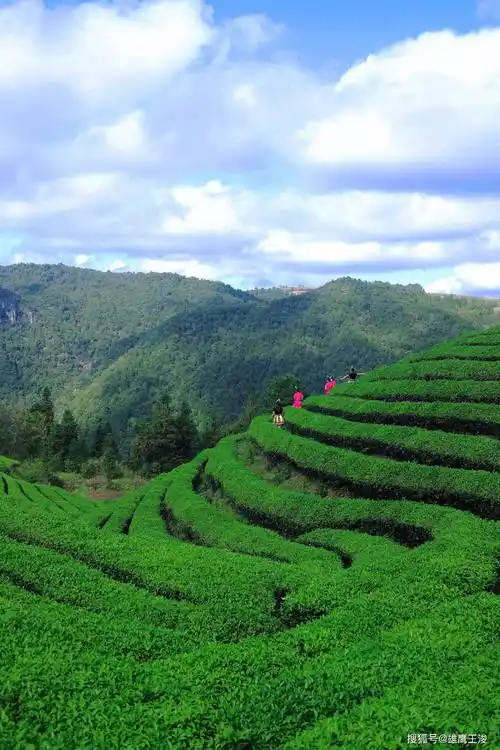 Tibet's tea culture traces back over a thousand years along the legendary Tea Horse Road, the ancient trade route that carried compressed tea bricks from Yunnan and Sichuan across the Himalayas into Tibet in exchange for horses, salt, and furs. Comparable in scale to the Silk Road, this trade network shaped Tibetan identity, monastic life, and regional economy for centuries, embedding tea at the heart of daily ritual. Zhaxi Jiangcun Tea Garden revives this heritage by cultivating tea at elevations where few would imagine it possible, blending modern agricultural ingenuity with centuries-old tradition.
The garden occupies a modest but picturesque stretch of the Shigatse highland, where neatly planted rows of tea bushes contrast with traditional Tibetan architecture in the neighboring village. Whitewashed stone walls, prayer flags fluttering overhead, and low-slung timber tea pavilions evoke a rural Himalayan aesthetic reminiscent of alpine hamlets in the Swiss or Austrian Alps. The surrounding tea houses, decorated with colorful Tibetan textiles and brass tea urns, serve as gathering places where locals and visitors alike warm themselves over steaming cups of butter tea while trading stories.
Butter tea—made by churning tea leaves with yak butter, salt, and water—is far more than a beverage in Tibetan culture. It is a daily ritual, a gesture of hospitality, and a vital source of calories and warmth in the harsh mountain climate. Drinking it together, often from a shared wooden bowl, symbolizes community and mutual respect, much like the sharing of bread across many European cultures. At Zhaxi Jiangcun, visitors learn the precise choreography of Tibetan tea service: the vigorous stirring, the careful pouring from height, and the respectful offering with both hands.
Between May and October, guests can wander into the fields and harvest fresh leaves by hand. The plants, grown under intense UV light and dramatic temperature swings, develop distinctive flavors found nowhere else. After the picking, resident tea masters demonstrate the art of brewing highland barley tea, a roasted, nutty infusion that has sustained Tibetan nomads and farmers for generations. The experience is intimate rather than staged, with small groups, real working fields, and tea masters eager to share their craft with curious visitors.
The garden is small and facilities are basic, so plan for a half-day to full-day visit. The optimal window runs from May through October, when mild weather and clear skies reveal the full splendor of the surrounding Himalayan foothills. Bring layered clothing for shifting temperatures, sturdy shoes for uneven ground, strong sunscreen, and lip balm—UV exposure at this altitude is intense. Nearby Shigatse, home to the magnificent Tashilhunpo Monastery, makes a convenient base for an overnight stay. Tea and snacks are inexpensive, but bring cash, as card facilities are limited.
For travelers who have already marveled at the Potala Palace or trekked toward Everest Base Camp, Zhaxi Jiangcun offers something quieter and more personal. It is a chance to slow down, share a cup with a Tibetan family, and discover how a humble leaf connects one of the world's highest inhabited plateaus to the great trading civilizations of the East. Few places allow such direct engagement with a living tradition in such a breathtaking setting.
Tibet's tea culture traces back over a thousand years along the legendary Tea Horse Road, the ancient trade route that carried compressed tea bricks from Yunnan and Sichuan across the Himalayas into Tibet in exchange for horses, salt, and furs. Comparable in scale to the Silk Road, this trade network shaped Tibetan identity, monastic life, and regional economy for centuries, embedding tea at the heart of daily ritual. Zhaxi Jiangcun Tea Garden revives this heritage by cultivating tea at elevations where few would imagine it possible, blending modern agricultural ingenuity with centuries-old tradition.
The garden occupies a modest but picturesque stretch of the Shigatse highland, where neatly planted rows of tea bushes contrast with traditional Tibetan architecture in the neighboring village. Whitewashed stone walls, prayer flags fluttering overhead, and low-slung timber tea pavilions evoke a rural Himalayan aesthetic reminiscent of alpine hamlets in the Swiss or Austrian Alps. The surrounding tea houses, decorated with colorful Tibetan textiles and brass tea urns, serve as gathering places where locals and visitors alike warm themselves over steaming cups of butter tea while trading stories.
Butter tea—made by churning tea leaves with yak butter, salt, and water—is far more than a beverage in Tibetan culture. It is a daily ritual, a gesture of hospitality, and a vital source of calories and warmth in the harsh mountain climate. Drinking it together, often from a shared wooden bowl, symbolizes community and mutual respect, much like the sharing of bread across many European cultures. At Zhaxi Jiangcun, visitors learn the precise choreography of Tibetan tea service: the vigorous stirring, the careful pouring from height, and the respectful offering with both hands.
Between May and October, guests can wander into the fields and harvest fresh leaves by hand. The plants, grown under intense UV light and dramatic temperature swings, develop distinctive flavors found nowhere else. After the picking, resident tea masters demonstrate the art of brewing highland barley tea, a roasted, nutty infusion that has sustained Tibetan nomads and farmers for generations. The experience is intimate rather than staged, with small groups, real working fields, and tea masters eager to share their craft with curious visitors.
The garden is small and facilities are basic, so plan for a half-day to full-day visit. The optimal window runs from May through October, when mild weather and clear skies reveal the full splendor of the surrounding Himalayan foothills. Bring layered clothing for shifting temperatures, sturdy shoes for uneven ground, strong sunscreen, and lip balm—UV exposure at this altitude is intense. Nearby Shigatse, home to the magnificent Tashilhunpo Monastery, makes a convenient base for an overnight stay. Tea and snacks are inexpensive, but bring cash, as card facilities are limited.
For travelers who have already marveled at the Potala Palace or trekked toward Everest Base Camp, Zhaxi Jiangcun offers something quieter and more personal. It is a chance to slow down, share a cup with a Tibetan family, and discover how a humble leaf connects one of the world's highest inhabited plateaus to the great trading civilizations of the East. Few places allow such direct engagement with a living tradition in such a breathtaking setting.