Mapangyong Tso
⭐ 4.60
Mapangyong Tso Scenic Area, Zhaxizong Township, Tingri County, Shigatse City, Tibet Autonomous Region, China
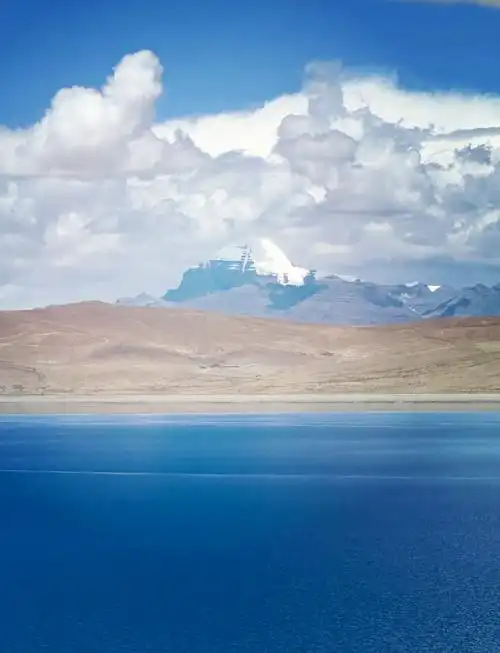 Lake Manasarovar claims an extraordinary distinction: it is simultaneously revered by four major world religions—Tibetan Buddhism, Hinduism, Bon (Tibet's pre-Buddhist shamanic tradition), and Jainism. Buddhist scriptures identify it as a manifestation of Avalokiteshvara, the Bodhisattva of Compassion, while Hindus regard its waters as the bathing place of Lord Shiva. For Jains, it marks where their founder Mahavira attained liberation. Comparable in spiritual stature to the River Ganges or Jerusalem's Old City, this convergence of traditions is virtually unmatched anywhere on the globe.
The lake itself is a geological marvel. Stretching roughly 412 square kilometers and plunging to 82 meters at its deepest point, its waters shift through luminous shades of pale green, turquoise, and deep cobalt as sunlight angles change—particularly magical at sunrise and sunset when neighboring peaks catch the first or last golden rays. The shoreline hosts wild Tibetan donkeys and brown-headed gulls, while Mount Kailash (6,638 m) and Mount Naimonanyi form a breathtaking double backdrop. Like Lake Geneva framing Mont Blanc, Manasarovar offers a perfect marriage of serene water and towering sacred summit.
For pilgrims, walking the kora—circumambulation—remains the defining experience. The 80-to-100-kilometer circuit takes three to five days on foot and passes centuries-old monasteries including Serilong and Chugu, alongside fluttering prayer flags and countless mani stone piles inscribed with mantras. The atmosphere is hushed and meditative, with devotees murmuring sutras as they walk. Many combine the lake pilgrimage with the Mount Kailash kora, forming one of the most demanding spiritual treks in Asia—roughly comparable in scale and difficulty to the Camino de Santiago's longer routes, but at altitudes where oxygen thins dramatically.
Reaching Manasarovar requires serious commitment. From Lhasa, travelers cross the 1,200 kilometers westward through Shigatse to Purang County over two to three days, with no public transport—only chartered 4WD vehicles or organized tours. The lake is accessible from April to October; winters are brutally cold and passes close entirely. June through September offers the best conditions: thawed meadows, wildflowers, and migrating waterbirds. Many visitors combine the lake with nearby Laang Tso ("Ghost Lake"), the ancient ruins of the Guge Kingdom, and Mount Kailash for a two-to-three-day regional exploration.
Practical preparation is essential. At 4,588 meters, nights can approach freezing even in summer, and altitude sickness is a real danger—spend two to three acclimatization days in Lhasa beforehand and bring medication, a heavy down jacket, and high-SPF sunscreen. Strict regulations forbid swimming, washing clothes in the lake, or feeding wildlife; visitors may only cup water gently to touch the forehead as a blessing. Violations incur fines. Yet for those who make the journey, Manasarovar delivers something rare: a living encounter with landscapes and traditions that have drawn seekers for over a thousand years.
Lake Manasarovar claims an extraordinary distinction: it is simultaneously revered by four major world religions—Tibetan Buddhism, Hinduism, Bon (Tibet's pre-Buddhist shamanic tradition), and Jainism. Buddhist scriptures identify it as a manifestation of Avalokiteshvara, the Bodhisattva of Compassion, while Hindus regard its waters as the bathing place of Lord Shiva. For Jains, it marks where their founder Mahavira attained liberation. Comparable in spiritual stature to the River Ganges or Jerusalem's Old City, this convergence of traditions is virtually unmatched anywhere on the globe.
The lake itself is a geological marvel. Stretching roughly 412 square kilometers and plunging to 82 meters at its deepest point, its waters shift through luminous shades of pale green, turquoise, and deep cobalt as sunlight angles change—particularly magical at sunrise and sunset when neighboring peaks catch the first or last golden rays. The shoreline hosts wild Tibetan donkeys and brown-headed gulls, while Mount Kailash (6,638 m) and Mount Naimonanyi form a breathtaking double backdrop. Like Lake Geneva framing Mont Blanc, Manasarovar offers a perfect marriage of serene water and towering sacred summit.
For pilgrims, walking the kora—circumambulation—remains the defining experience. The 80-to-100-kilometer circuit takes three to five days on foot and passes centuries-old monasteries including Serilong and Chugu, alongside fluttering prayer flags and countless mani stone piles inscribed with mantras. The atmosphere is hushed and meditative, with devotees murmuring sutras as they walk. Many combine the lake pilgrimage with the Mount Kailash kora, forming one of the most demanding spiritual treks in Asia—roughly comparable in scale and difficulty to the Camino de Santiago's longer routes, but at altitudes where oxygen thins dramatically.
Reaching Manasarovar requires serious commitment. From Lhasa, travelers cross the 1,200 kilometers westward through Shigatse to Purang County over two to three days, with no public transport—only chartered 4WD vehicles or organized tours. The lake is accessible from April to October; winters are brutally cold and passes close entirely. June through September offers the best conditions: thawed meadows, wildflowers, and migrating waterbirds. Many visitors combine the lake with nearby Laang Tso ("Ghost Lake"), the ancient ruins of the Guge Kingdom, and Mount Kailash for a two-to-three-day regional exploration.
Practical preparation is essential. At 4,588 meters, nights can approach freezing even in summer, and altitude sickness is a real danger—spend two to three acclimatization days in Lhasa beforehand and bring medication, a heavy down jacket, and high-SPF sunscreen. Strict regulations forbid swimming, washing clothes in the lake, or feeding wildlife; visitors may only cup water gently to touch the forehead as a blessing. Violations incur fines. Yet for those who make the journey, Manasarovar delivers something rare: a living encounter with landscapes and traditions that have drawn seekers for over a thousand years.